Aluminum sulfate, a widely used chemical in various industrial applications, often requires efficient material handling systems to ensure smooth production processes. The design of such systems is critical for optimizing workflow, enhancing safety, and maintaining operational efficiency. This article explores the concept of aluminum sulfate material handling and delves into the fundamental design principles that underpin effective solutions.
Understanding Aluminum Sulfate Material Handling
Aluminum sulfate, also known as alum, is a chemical compound with the formula Al₂(SO₄)₃·18H₂O. It is commonly used in water treatment, paper manufacturing, and as a coagulant in various industrial processes. Due to its bulk nature and the need for precise control during handling, specialized equipment and systems are essential to manage its movement from storage to processing units. Effective material handling not only reduces downtime but also minimizes the risk of accidents, such as spills or equipment damage, which can impact production and safety standards.
HeadPowder: A Leader in Material Handling Solutions
Shandong HeadPowder Engineering Co., Ltd., commonly referred to as HeadPowder, is a prominent manufacturer specializing in industrial material handling equipment. With a strong presence in China, particularly in Shandong, the company has built a reputation for delivering high-quality, customized solutions tailored to the unique needs of clients. HeadPowder's expertise lies in designing and manufacturing systems that cater to the specific requirements of handling aluminum sulfate and other bulk chemicals, ensuring reliability and efficiency in diverse industrial settings.
Key Design Principles for Aluminum Sulfate Material Handling
The design of aluminum sulfate material handling systems involves several critical principles that must be considered to achieve optimal performance. First, the system must address the physical properties of aluminum sulfate, such as its bulk density, flow characteristics, and potential for caking or bridging. Proper equipment selection, including conveyors, storage silos, and feeding mechanisms, is essential to prevent material flow issues and ensure consistent operation. Second, safety is a paramount concern. The design must incorporate features like dust suppression, explosion-proof components, and proper ventilation to mitigate risks associated with handling powders and chemicals. Third, efficiency and cost-effectiveness are key. The system should minimize energy consumption, reduce maintenance requirements, and maximize throughput while adhering to regulatory standards. Additionally, scalability and adaptability are important, as production needs may evolve over time, requiring systems that can be easily modified or expanded.
Components of an Effective Aluminum Sulfate Handling System
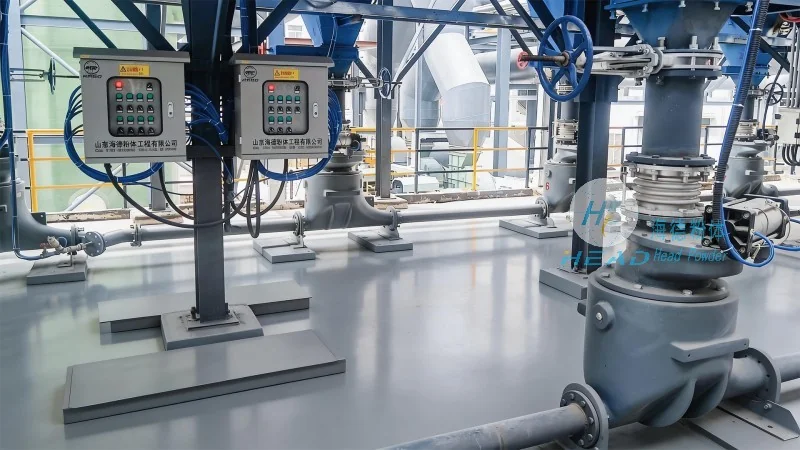
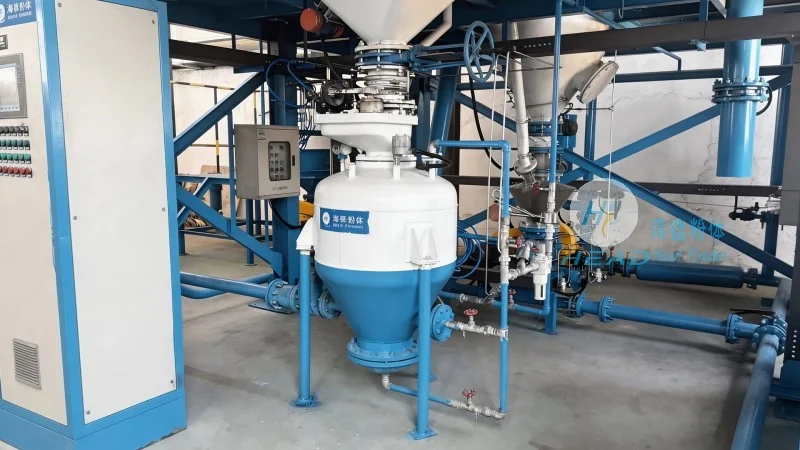
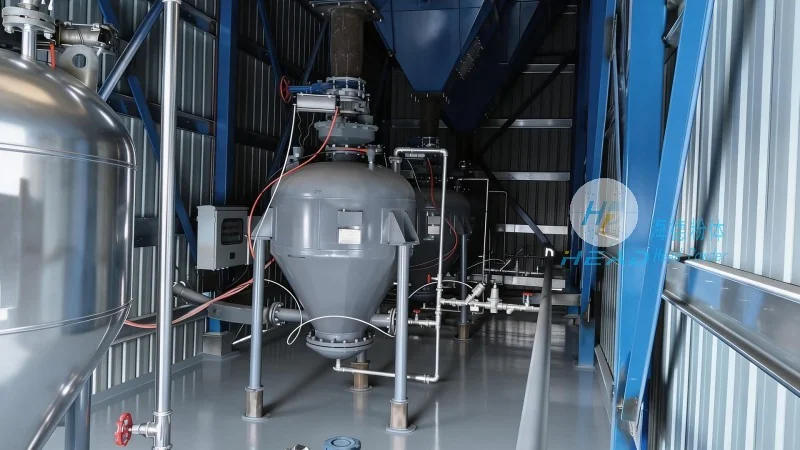
An effective aluminum sulfate material handling system typically consists of several interconnected components. The primary elements include bulk storage silos, which are designed to store large quantities of the chemical while maintaining proper ventilation and preventing moisture accumulation. From the silos, material is transferred to processing units via conveyors, such as belt conveyors or screw conveyors, which are chosen based on the material's flow characteristics and the required throughput. Feeding mechanisms, like rotary valves or metering devices, ensure controlled and uniform discharge of the material into downstream equipment. Additionally, dust collection systems are integrated to capture and filter airborne particles, protecting both the environment and personnel. The entire system is often controlled by a programmable logic controller (PLC), allowing for automated operation and real-time monitoring of key parameters, such as flow rate and pressure.
Applications and Industry Impact
Aluminum sulfate material handling systems are integral to various industries that rely on this chemical. In water treatment plants, for example, the efficient handling of alum is crucial for maintaining water quality and treatment efficiency. In the paper industry, alum is used as a sizing agent, and proper material handling ensures consistent quality in the final product. Other applications include the production of aluminum-based products and as a coagulant in wastewater treatment. By implementing well-designed material handling systems, industries can enhance their operational performance, reduce costs, and improve overall productivity. The reliability of these systems directly impacts the quality of the end product and the safety of the workplace.
Conclusion and Future Considerations
Aluminum sulfate material handling is a complex but essential aspect of industrial operations, requiring careful consideration of design principles and system components. Companies like Shandong HeadPowder Engineering Co., Ltd. play a vital role in providing tailored solutions that meet the specific needs of clients. As industrial processes evolve, the demand for efficient and safe material handling systems will continue to grow. Future considerations may include advancements in automation, integration with digital platforms for real-time monitoring, and the development of more sustainable materials handling practices. By adhering to established design principles and leveraging technological innovations, industries can ensure the continued effectiveness and safety of aluminum sulfate material handling systems, supporting their long-term success.




