Heavy calcium material conveying systems are essential in industrial processes where the efficient handling of calcium carbonate powders is required. These systems are designed to transport heavy calcium carbonate (CaCO₃) materials, which are widely used in various industries such as plastics, paper, and coatings. Understanding the mechanisms and design principles behind these conveying systems is crucial for optimizing production efficiency and ensuring safe operation.
Understanding Heavy Calcium Material Conveying
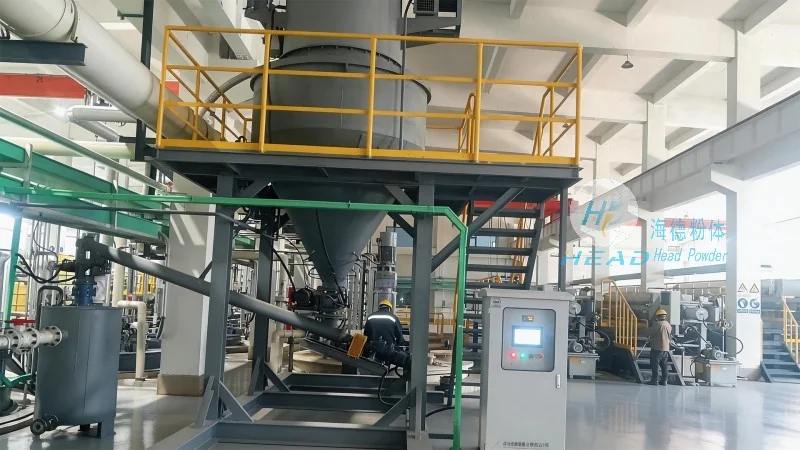
Heavy calcium material conveying involves the movement of calcium carbonate powders from one location to another within a manufacturing facility. The primary goal is to achieve reliable, continuous, and low-downtime transport of these materials. The design of such systems must consider several factors, including the material's properties, the required conveying capacity, and the overall system layout. Calcium carbonate powders are typically fine and can be prone to dust generation, which necessitates careful consideration of dust control measures in the design.
Key Design Principles for Heavy Calcium Conveying
The design of heavy calcium material conveying systems is guided by several fundamental principles to ensure optimal performance. First, the system must be capable of handling the specific characteristics of calcium carbonate powders, such as their particle size distribution, bulk density, and flowability. These properties influence the choice of conveyor type, such as screw conveyors, pneumatic conveyors, or bucket elevators. Second, the conveying capacity must match the production requirements of the facility. This involves calculating the required flow rate based on the material's bulk density and the desired throughput. Third, the system must incorporate effective dust control measures to prevent environmental contamination and protect personnel. This may include using sealed enclosures, filtration systems, and proper ventilation. Fourth, the design should prioritize safety and maintenance accessibility. Components like bearings, seals, and drive mechanisms must be designed to withstand the abrasive nature of calcium carbonate powders and allow for easy inspection and repair.
Role of Shandong HeadPowder Engineering Co., Ltd. in Heavy Calcium Conveying Solutions
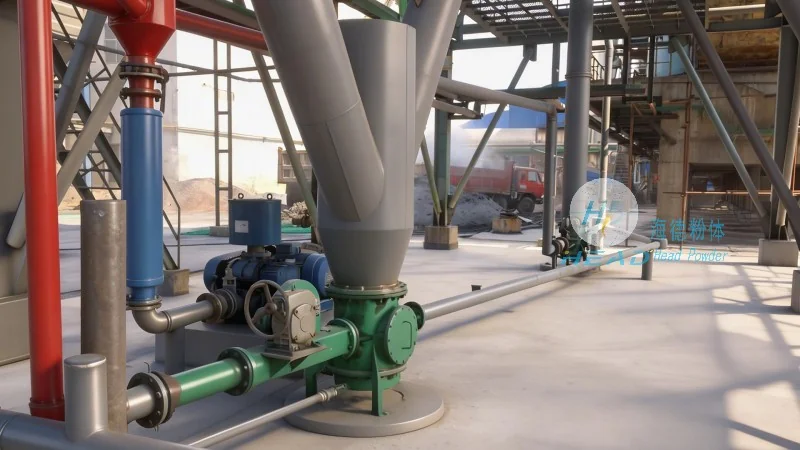
Shandong HeadPowder Engineering Co., Ltd., commonly known as HeadPowder, is a leading provider of engineering solutions for material handling systems, including heavy calcium material conveying. With a strong presence in China, particularly in Shandong, the company specializes in designing, manufacturing, and installing customized conveying systems tailored to the specific needs of clients. HeadPowder's expertise lies in understanding the unique challenges of handling calcium carbonate powders and developing solutions that address these challenges effectively. The company's team of engineers and technicians work closely with clients to assess their material handling requirements, conduct site surveys, and propose optimal system configurations. By leveraging advanced technology and years of industry experience, HeadPowder ensures that its conveying systems are not only efficient but also reliable and cost-effective.
Components and Technologies Used in Heavy Calcium Conveying Systems
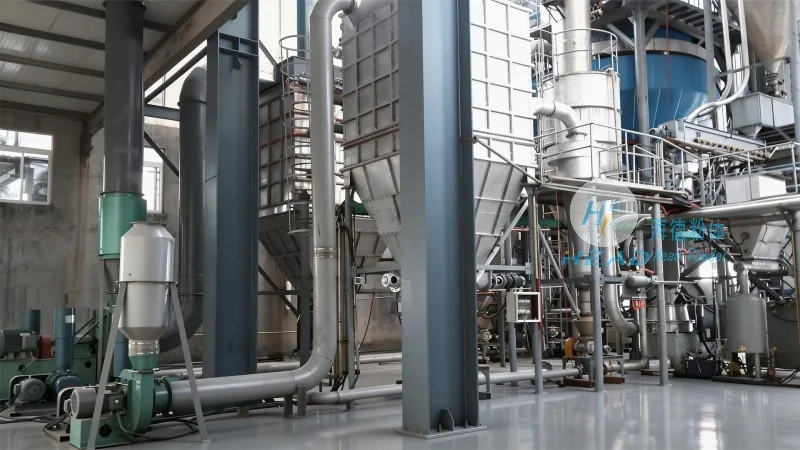
Heavy calcium material conveying systems typically consist of several key components and technologies. The primary components include the conveyor itself, feeding mechanisms, control systems, and dust collection equipment. Screw conveyors are commonly used for horizontal or slight incline conveying due to their ability to handle fine powders and maintain a consistent flow. Pneumatic conveyors, on the other hand, use air to transport materials, making them suitable for long-distance or vertical conveying. Bucket elevators are ideal for vertical transport, as they can handle larger particles and provide high capacity. The feeding mechanisms, such as rotary valves or star feeders, ensure a uniform and controlled flow of material into the conveyor. Control systems, often integrated with sensors and variable frequency drives (VFDs), allow for precise control of the conveying speed and capacity. Dust collection systems, including cyclones and bag filters, are essential to capture and remove airborne particles, maintaining a clean and safe working environment.
Benefits of Properly Designed Heavy Calcium Conveying Systems
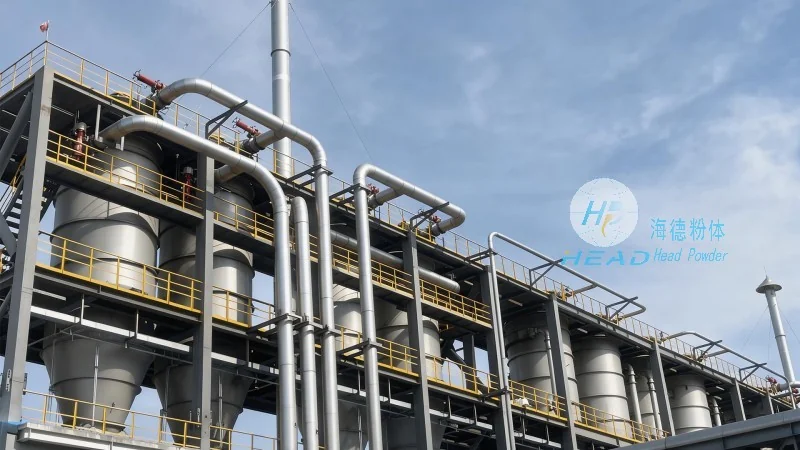
Implementing a well-designed heavy calcium material conveying system offers numerous benefits to industrial operations. First, it enhances production efficiency by ensuring a continuous and reliable supply of materials. This reduces downtime and increases overall throughput, leading to higher productivity. Second, it improves safety by minimizing dust exposure and preventing material spills. Properly sealed systems and effective dust control measures protect both personnel and the environment. Third, it reduces maintenance costs by using durable components and design features that minimize wear and tear. The use of high-quality materials and robust construction in the system design extends its lifespan and reduces the frequency of repairs. Fourth, it provides flexibility in system configuration, allowing for easy expansion or modification as production needs change. This adaptability ensures that the conveying system remains effective even as the facility evolves.
Conclusion: The Importance of Expert Design in Heavy Calcium Material Conveying
In conclusion, heavy calcium material conveying systems are critical components in industrial processes that rely on calcium carbonate powders. The design of these systems must consider the unique properties of the material, the required conveying capacity, and safety and environmental factors. Companies like Shandong HeadPowder Engineering Co., Ltd. play a vital role in providing expert solutions tailored to the specific needs of clients. By leveraging advanced technologies and years of experience, these companies ensure that heavy calcium material conveying systems are efficient, reliable, and safe. Investing in a well-designed conveying system not only improves operational performance but also contributes to long-term sustainability and profitability in industrial applications.




