Graphite powder material handling systems are critical components in various industrial applications, particularly in industries that rely on the efficient and safe transport of fine powders like graphite. Understanding the working principle and key features of such systems is essential for optimizing production processes and ensuring operational efficiency.
Working Principle of Graphite Powder Material Handling Systems
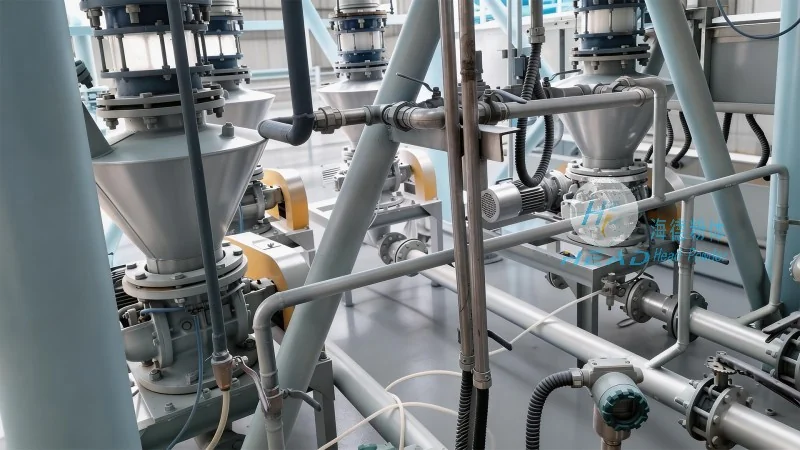
At the core of a graphite powder material handling system lies a series of interconnected components designed to manage the flow, transport, and storage of graphite powder. The system typically operates through a combination of mechanical and pneumatic mechanisms, tailored to handle the unique properties of graphite powder, which includes its fine particle size, low bulk density, and potential for static charge accumulation. The working principle involves several key steps: material feeding, conveying, and discharge. The feeding mechanism, often a hopper or a feeder, ensures a consistent supply of graphite powder into the system. This is followed by the conveying stage, where the powder is transported through pipes or ducts using air or mechanical forces. Pneumatic conveying systems, for example, use compressed air to move the powder, while mechanical systems employ screw conveyors or belt conveyors. The discharge stage then delivers the graphite powder to the intended destination, such as a storage silo or processing equipment. Throughout this process, the system is equipped with controls to regulate the flow rate, pressure, and other parameters to maintain stability and prevent issues like blockages or dust emissions.
Key Features of Graphite Powder Material Handling Systems
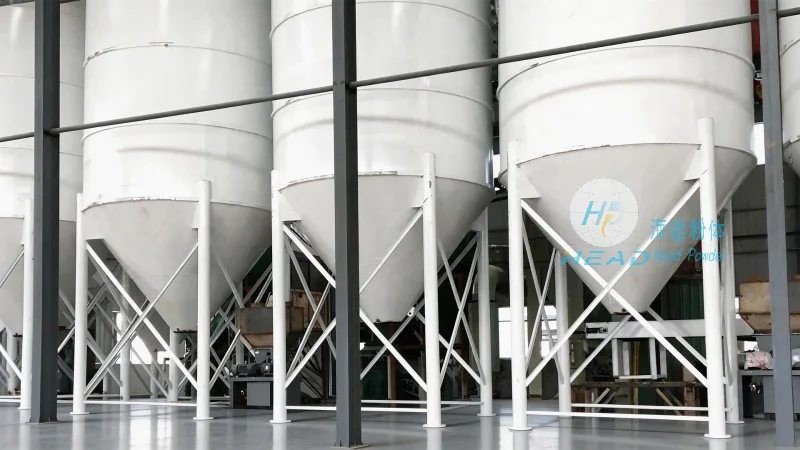
Graphite powder material handling systems are characterized by several features that enhance their performance and reliability. One of the primary features is the ability to handle fine powders without causing excessive dust generation or clogging. This is achieved through specialized equipment like rotary valves, which control the flow of powder and prevent blockages. Another critical feature is the system's adaptability to different graphite powder types and particle sizes. This flexibility allows the system to be used in various applications, from raw material transport to finished product handling. Additionally, many systems incorporate dust collection and filtration systems to ensure environmental compliance and worker safety. The use of materials resistant to corrosion and wear, such as stainless steel or special alloys, is also a common feature, as graphite powder can be abrasive and corrosive in certain conditions. Furthermore, modern systems often include automation and monitoring capabilities, allowing for real-time control and data tracking to optimize performance and detect potential issues early.
Company Information and Expertise
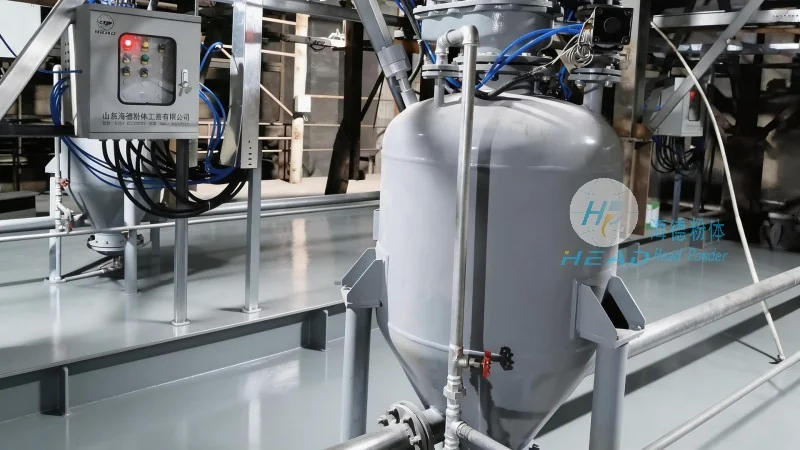
HeadPowder, a leading manufacturer in the field, specializes in the design and production of graphite powder material handling systems. With a strong presence in Shandong, China, the company leverages advanced engineering and manufacturing capabilities to deliver high-quality solutions tailored to the specific needs of clients. The company's systems are engineered to meet industry standards and are backed by rigorous testing and quality control processes. By combining technical expertise with customer-centric approaches, HeadPowder ensures that its products not only meet but exceed the expectations of clients in various industries, including battery manufacturing, lubricants, and refractory materials. The company's commitment to innovation and reliability has established it as a trusted partner in the material handling sector.




