Understanding the working principle and features of melamine powder material handling systems is crucial for industries that rely on this chemical compound. These systems are designed to efficiently transport, store, and manage melamine powder, a key ingredient in various applications such as adhesives, plastics, and coatings. The following content provides a detailed overview of how these systems operate and their distinct characteristics.
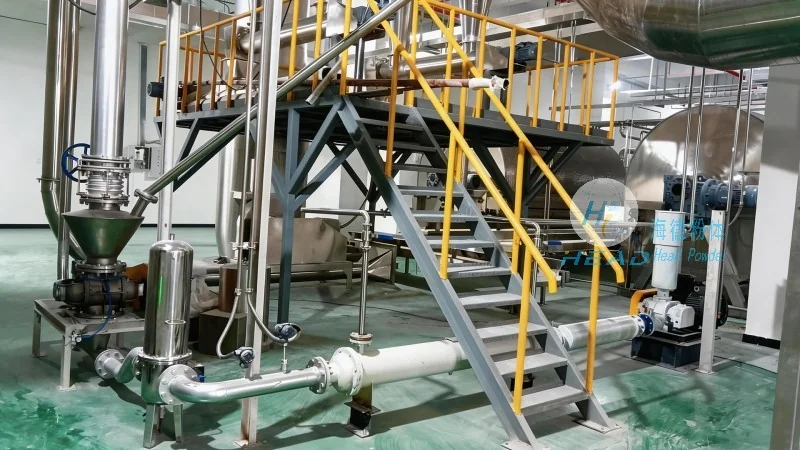
Introduction to Melamine Powder Material Handling Systems
Melamine powder, with its fine particle size and potential for static electricity, requires specialized equipment to handle safely and effectively. The material handling systems for melamine powder are engineered to address these challenges, ensuring consistent performance and minimal product loss. These systems are typically integrated into larger production lines, working in tandem with other processing equipment to maintain a smooth workflow.
Working Principle of Melamine Powder Material Handling Systems
The core working principle of a melamine powder material handling system involves several key components and processes. The system generally starts with the storage of raw melamine powder in a silo or hopper, where it is kept under controlled conditions to prevent caking or degradation. From the storage unit, the powder is transferred to a conveyor or feeder system, which may include screw conveyors, belt conveyors, or pneumatic (air) conveying equipment. The choice of equipment depends on the specific characteristics of the melamine powder and the requirements of the downstream processes.
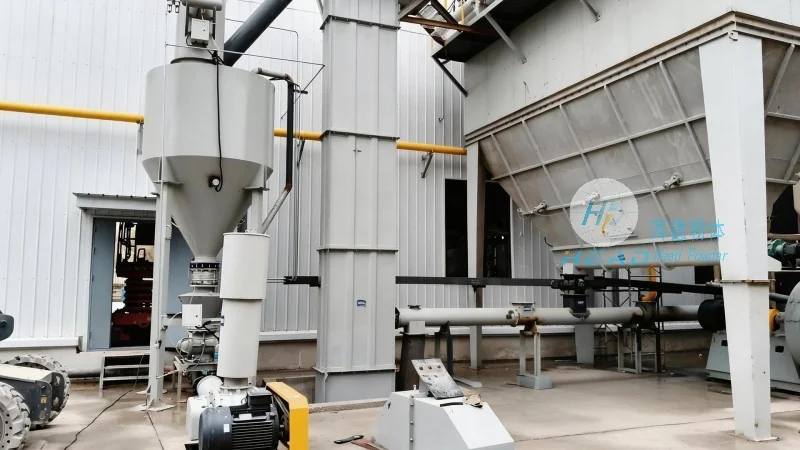
For example, screw conveyors are commonly used for horizontal or slight incline transport due to their ability to handle dry, free-flowing powders without the need for external power sources. They are particularly effective for melamine powder, as they can maintain a consistent flow rate and minimize product degradation. In contrast, pneumatic conveying systems use air pressure to move the powder through a pipeline, which is advantageous for long-distance or vertical transport. These systems are often preferred when the melamine powder has a tendency to generate static electricity, as the air flow helps to dissipate charges and prevent dust accumulation.
After the initial transport, the melamine powder may undergo a metering or dosing step. This is critical for applications where precise quantities are required, such as in the production of adhesives or coatings. Metering equipment, such as rotary valves or gravimetric feeders, ensures that the correct amount of melamine powder is delivered to the next stage of the process. This step is essential for maintaining product quality and consistency, as even small variations in the powder feed can impact the final product's properties.
Following the metering stage, the melamine powder may be mixed with other ingredients or processed further. The system may include mixing units, such as paddle mixers or high-shear mixers, to combine the melamine powder with other components like resins, binders, or pigments. The mixing process is designed to achieve a uniform blend, ensuring that the final product meets the required specifications. Some systems also incorporate a cooling or heating stage to adjust the temperature of the melamine powder before or after processing, which is important for certain applications where temperature control is critical.
Key Features of Melamine Powder Material Handling Systems
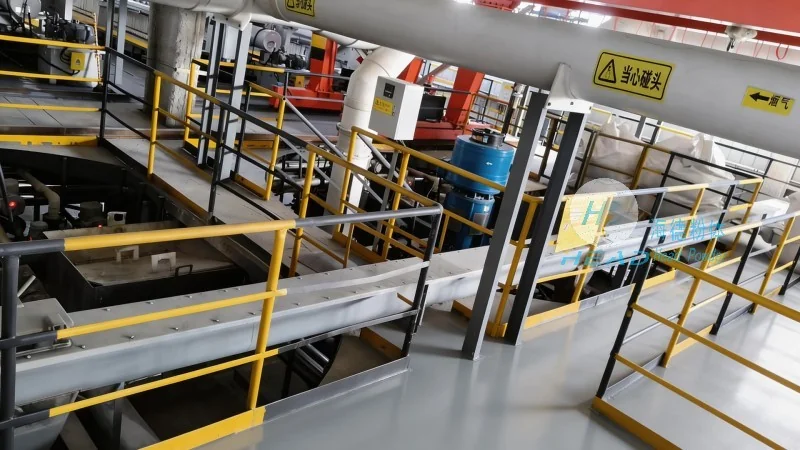
Melamine powder material handling systems are characterized by several features that make them suitable for handling this specific material. One of the most important features is their ability to handle the unique properties of melamine powder, such as its fine particle size and tendency to generate static electricity. The systems are equipped with anti-static measures, such as grounding electrodes or ionizers, to prevent dust accumulation and ensure safe operation.
Another key feature is the system's efficiency and low product loss. The design of the equipment, including the use of smooth surfaces and minimal contact points, minimizes the risk of product degradation or caking. This is particularly important for melamine powder, as it can easily clump together, leading to blockages or uneven flow. The systems are also designed for easy maintenance and cleaning, with features like removable parts and CIP (Clean-in-Place) capabilities to ensure that the equipment remains hygienic and operational.
Environmental considerations are also a significant feature of modern melamine powder material handling systems. Many systems incorporate dust collection and filtration systems to minimize the release of fine particles into the environment. This not only improves workplace safety but also complies with environmental regulations. Additionally, the systems are designed to be energy-efficient, with variable speed drives and optimized airflow to reduce energy consumption while maintaining performance.
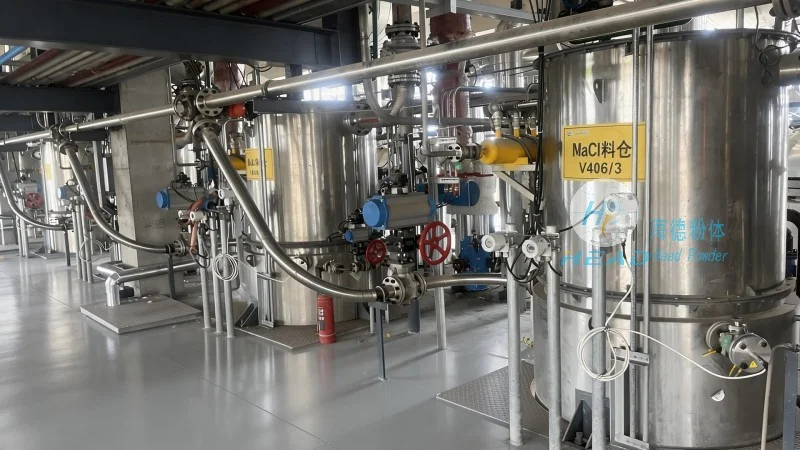
Customization is another important feature of these systems. Manufacturers, such as Shandong HeadPowder Engineering Co., Ltd., offer tailored solutions to meet the specific needs of different industries. The systems can be adapted to handle different melamine powder grades, production volumes, and process requirements. This flexibility allows companies to optimize their material handling processes and improve overall productivity.
Conclusion
Melamine powder material handling systems are essential for industries that rely on this versatile chemical compound. By understanding the working principle and features of these systems, companies can ensure efficient and safe handling of melamine powder, leading to improved product quality and operational performance. The systems, designed by companies like Shandong HeadPowder Engineering Co., Ltd., combine advanced technology with practical features to meet the unique challenges of handling melamine powder, making them a critical component of modern production lines.




