For pharmaceutical manufacturers, the efficient and safe handling of powdered materials is critical to maintaining product quality and regulatory compliance. Pneumatic conveying systems offer a solution that addresses these needs by transporting powders through a pressurized or vacuum environment. This article explores the working principle and key characteristics of such systems, with a focus on their application in the pharmaceutical industry.
Working Principle of Pneumatic Conveying Systems
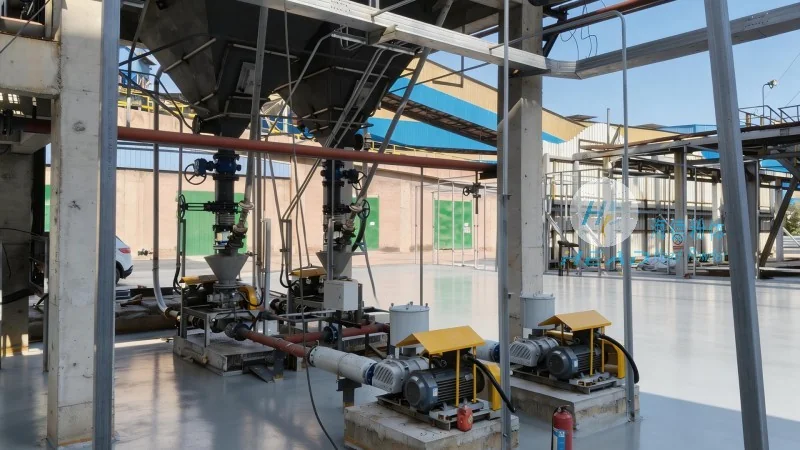
The core mechanism of a powdered pharmaceutical pneumatic conveying system involves the use of air or gas to transport solid particles. The process typically begins with the powder being fed into a hopper or feeder. From there, the material is drawn into a pipeline by a vacuum or pressure source. The air flow carries the powder particles through the system, ensuring that they are transported to the desired destination without direct contact with mechanical components. This method eliminates the need for manual handling, reducing the risk of contamination and improving operational efficiency.
Key Features and Advantages
Several distinct features define the effectiveness of pneumatic conveying systems in pharmaceutical applications. Firstly, the system provides a closed-loop operation, which is essential for maintaining a sterile environment and preventing cross-contamination. This is particularly important in the production of sterile pharmaceuticals, where any exposure to external contaminants can compromise product safety. Secondly, the technology allows for precise control over the flow rate and pressure, enabling manufacturers to adjust the conveying process according to specific product requirements. This flexibility is crucial for handling a wide range of powder types, from fine powders to bulk materials.
Design Considerations for Pharmaceutical Applications
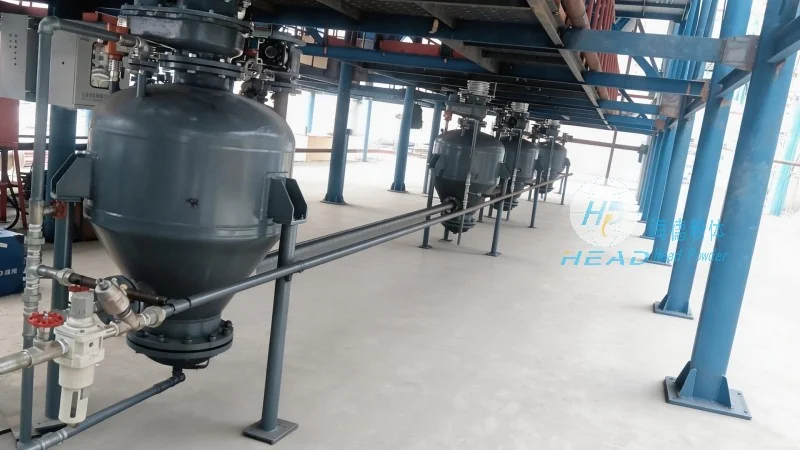
When designing a pneumatic conveying system for pharmaceutical use, several factors must be considered to ensure compliance with industry standards. The materials used in the construction of the system components must be compatible with pharmaceutical-grade powders and meet regulatory requirements for cleanliness and durability. For instance, stainless steel is commonly used for pipelines and hoppers due to its corrosion resistance and ease of cleaning. Additionally, the system must be equipped with appropriate filtration and separation mechanisms to prevent particle loss and maintain product purity. These design elements are critical for ensuring that the system operates reliably and consistently, meeting the stringent demands of the pharmaceutical industry.
Operational Efficiency and Maintenance
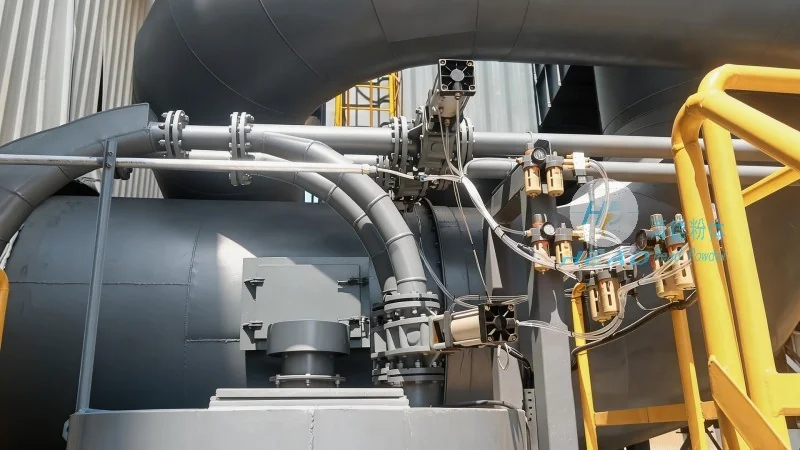
Efficient operation and regular maintenance are essential for maximizing the lifespan and performance of a pneumatic conveying system. The system's design includes features that facilitate easy cleaning and maintenance, such as CIP (Clean-In-Place) capabilities. This allows for thorough sanitization of the system without disassembling components, reducing downtime and ensuring continuous production. Furthermore, the use of high-quality components and regular inspections helps to minimize the risk of system failures and maintain consistent performance over time. By adhering to a structured maintenance schedule, manufacturers can ensure that the system operates at optimal efficiency, reducing operational costs and improving overall productivity.
Conclusion
Pneumatic conveying systems represent a sophisticated solution for the safe and efficient handling of powdered pharmaceuticals. By understanding the working principle and key characteristics of these systems, manufacturers can make informed decisions about integrating such technology into their production processes. The closed-loop operation, precise control, and compliance with regulatory standards make pneumatic conveying an ideal choice for pharmaceutical applications. As the industry continues to evolve, the importance of reliable and efficient material handling systems will only increase, making pneumatic conveying a vital component of modern pharmaceutical manufacturing.




