Shandong HeadPowder Engineering Co., Ltd., commonly known as HeadPowder, specializes in the design, manufacturing, and supply of low-pressure pneumatic conveying equipment. With a base in Shandong, China, the company leverages decades of industry experience to deliver reliable and efficient solutions for material handling challenges across various industries.
Working Principle of Low-Pressure Pneumatic Conveying Systems
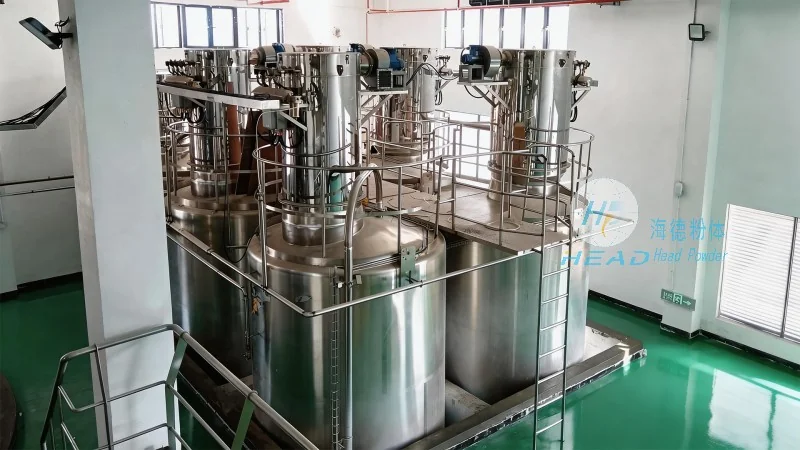
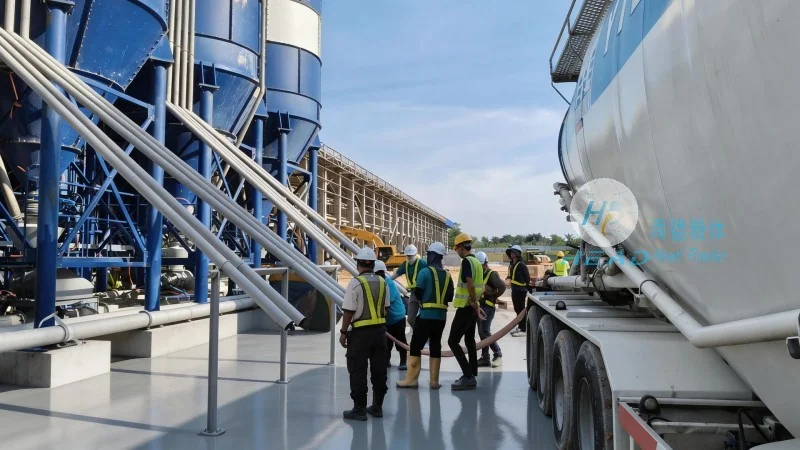
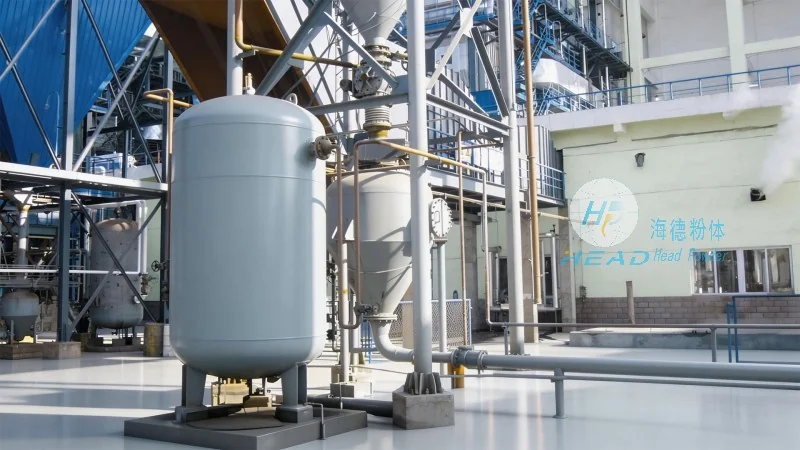
Low-pressure pneumatic conveying systems operate on the principle of air-assisted material transport, where a low-pressure air stream is used to move bulk materials through a pipeline. The process begins with a blower or fan that generates a steady airflow, typically at pressures ranging from 0.5 to 2 bar, depending on the material and system design. The air is then directed into a pipeline, which is connected to the loading and discharge points. At the loading point, the material is introduced into the system, often through a hopper or feeder, and is immediately entrained by the air stream. The material particles are carried along with the air as it moves through the pipeline, forming a mixture known as a "slurry" or "conveyed stream." The system may include additional components such as a filter or cyclone at the discharge end to separate the material from the air. The separated material is collected in a silo or hopper, while the air is either recirculated back to the blower or released to the atmosphere. The entire process is controlled by the blower's speed and the material feed rate, allowing for precise regulation of the conveying capacity. The low-pressure operation ensures that the system is gentle on the material, minimizing the risk of breakage or degradation, which is particularly important for delicate or high-value products. The simplicity of the design also contributes to lower maintenance requirements, as there are fewer moving parts compared to high-pressure systems.
Key Features and Advantages of Low-Pressure Pneumatic Conveying Equipment
Low-pressure pneumatic conveying equipment offers a range of features and advantages that make it an ideal solution for various material handling needs. One of the most significant advantages is its ability to handle a wide variety of materials, including powders, granules, and even fine particles, without causing segregation or degradation. The low-pressure operation reduces the impact force on the material, ensuring that the product's quality is maintained throughout the conveying process. This is particularly beneficial for industries such as pharmaceuticals, food processing, and chemicals, where product integrity is paramount. Another key feature is the system's flexibility in terms of layout and integration. The equipment can be configured in different configurations, such as straight-line, loop, or Z-shaped systems, to accommodate the specific spatial constraints of a facility. This adaptability allows for efficient use of available space and easy integration with existing production lines, minimizing the need for major structural modifications. The low-pressure system also offers good control over material flow, enabling precise regulation of the conveying rate and ensuring consistent delivery to downstream processes. This level of control is essential for maintaining production efficiency and meeting quality standards, as it prevents overloading or underloading of the receiving equipment. Additionally, the equipment is generally more energy-efficient compared to high-pressure alternatives. The lower operating pressure reduces the power consumption of the blower, resulting in lower energy costs and a smaller environmental footprint. This makes the system an economical choice for businesses looking to reduce their operational expenses while maintaining high performance. The reduced energy consumption also contributes to lower maintenance costs, as the blower and other components experience less wear and tear. Furthermore, the simplicity of the low-pressure system design leads to lower maintenance requirements. With fewer moving parts and less complex components, the system is less prone to mechanical failures and easier to service. This results in higher system reliability and lower downtime, which are critical factors for maintaining production continuity. The system also provides good dust control, as the enclosed pipeline and filtration components help to contain dust and prevent it from escaping into the environment. This is an important consideration for industries where dust control is a regulatory requirement or a safety concern. Overall, the combination of material handling flexibility, energy efficiency, and low maintenance makes low-pressure pneumatic conveying equipment a reliable and cost-effective solution for a wide range of applications.




