Desulfurization and dust removal fly ash, also known as FGD fly ash, is a fine particulate material produced during the flue gas desulfurization process in thermal power plants and other industrial facilities. This byproduct, primarily composed of calcium sulfate dihydrate (CaSO₄·2H₂O), is widely utilized in construction, cement production, and environmental remediation due to its high mineral content and beneficial properties. The efficient transportation of this fly ash is essential for maintaining the operational efficiency of power plants and ensuring compliance with environmental regulations. Pneumatic conveying technology offers a sophisticated and reliable method for moving these fine particles over long distances, minimizing the need for traditional bulk handling methods such as trucks or conveyors.
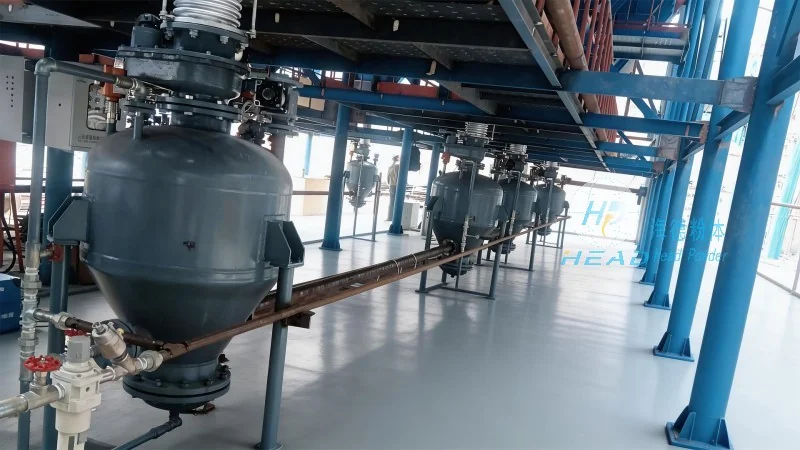
The Principle of Pneumatic Conveying for Fly Ash
Pneumatic conveying systems operate by utilizing air or gas to transport particulate materials through a pipeline. For desulfurization and dust removal fly ash, the system typically employs a negative pressure (suction) mode, where a vacuum pump draws the ash from the collection hopper into the conveying line. Alternatively, a positive pressure (blowing) mode may be used, where a blower or compressor forces air and ash through the pipeline. The core components of a pneumatic conveying system include the ash collection hopper, a rotary valve for controlled discharge, a filter or separator to remove moisture and fine particles from the air stream, and the conveying pipeline. The system's design must account for factors such as ash particle size (typically ranging from 1 to 100 microns), moisture content (often 5-15%), and the required conveying distance (which can range from a few hundred meters to several kilometers). Proper air flow management and pressure control are critical to prevent blockages, maintain system efficiency, and ensure the longevity of components.
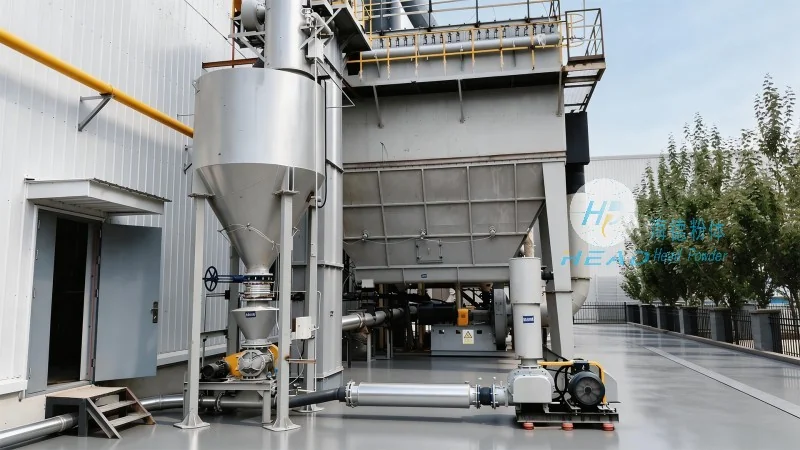
Key Working Scene Characteristics
The working scene characteristics of pneumatic conveying for desulfurization and dust removal fly ash vary significantly based on the specific industrial application and site conditions. In thermal power plants, the system is often integrated with the existing flue gas treatment infrastructure, requiring seamless coordination with the desulfurization unit. The conveying distance may extend up to several kilometers, necessitating robust pipeline design and efficient air flow management to minimize pressure drop and energy consumption. Industrial facilities such as cement plants or concrete manufacturers may utilize the fly ash as a raw material, requiring the conveying system to deliver the ash directly to the production line. The working scene also involves considerations for environmental regulations, as the system must minimize dust emissions and noise pollution during operation. Additionally, the system's scalability and adaptability to changing production volumes are crucial for maintaining operational efficiency in dynamic industrial environments. For example, in a power plant undergoing capacity expansion, the pneumatic conveying system must be capable of handling increased ash volumes without compromising performance or reliability.
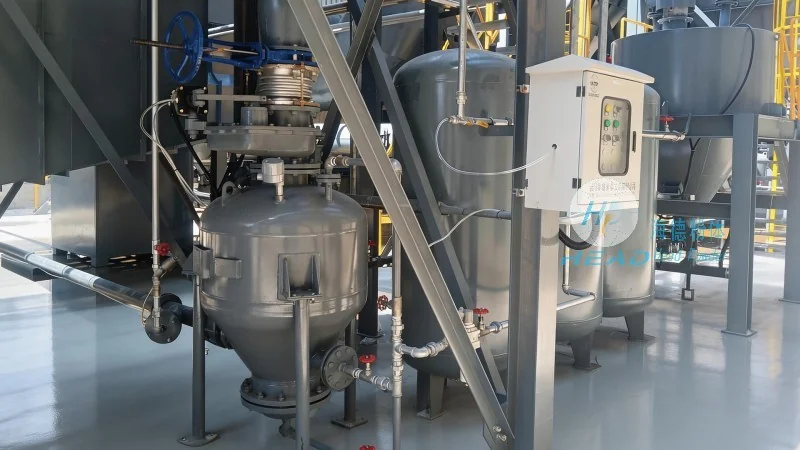
Company Overview: Shandong HeadPowder Engineering Co., Ltd.
HeadPowder, a prominent engineering firm specializing in industrial material handling solutions, is dedicated to providing advanced pneumatic conveying systems for desulfurization and dust removal applications. With a strong focus on innovation and customer satisfaction, HeadPowder has established itself as a leading provider of customized solutions tailored to the unique needs of power plants and industrial facilities. The company's expertise spans the entire lifecycle of a pneumatic conveying system, from initial system design and material selection to manufacturing, installation, and after-sales support. HeadPowder's engineers leverage cutting-edge technology and extensive industry experience to develop systems that optimize ash transportation efficiency while minimizing operational costs and environmental impact. Based in Shandong, China, HeadPowder benefits from its local presence and proximity to major industrial hubs, enabling efficient project execution and timely support. The company's commitment to quality and sustainability ensures that its systems not only meet but exceed industry standards, delivering long-term value to clients. HeadPowder's solutions are designed to address the specific challenges of each project, ensuring reliable and efficient fly ash handling for years to come.




