HeadPowder, a leading engineering company based in Shandong, China, specializes in the design and implementation of advanced industrial systems. This article focuses on the automatic blending and feeding pneumatic conveying systems, detailing their operational principles and typical application scenarios. The company, with its headquarters in Shandong, provides comprehensive solutions tailored to diverse industrial needs.
Overview of Pneumatic Conveying Systems
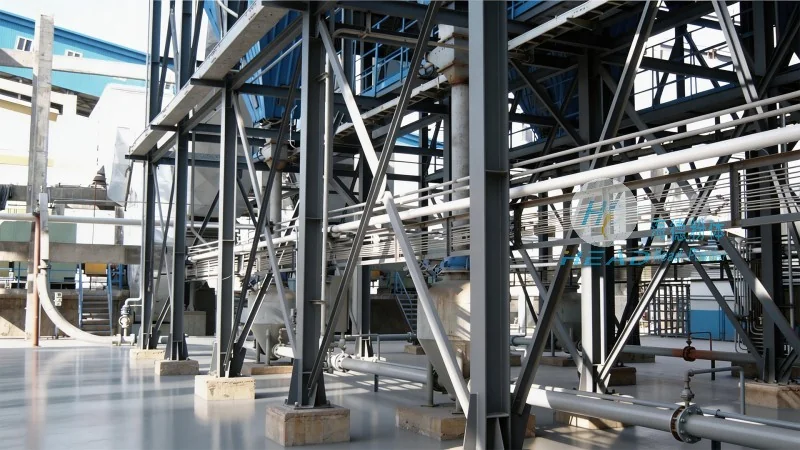
Pneumatic conveying systems utilize air or gas to transport bulk materials from one location to another. These systems are widely used in various industries due to their efficiency, flexibility, and ability to handle a wide range of materials. The core components of such systems include a material hopper, a conveyor line, a control unit, and a dust collection system. The material is fed into the hopper, and then pneumatically transported through the pipeline to the destination point. This method eliminates the need for mechanical components like belts or buckets, reducing maintenance requirements and increasing operational reliability.
Principle of Automatic Blending and Feeding
The automatic blending and feeding process involves precise control of material flow rates to achieve the desired mixture composition. The system typically includes sensors and control algorithms that monitor the input of different raw materials and adjust the feeding rates in real-time. This ensures consistent product quality and reduces waste. For example, in the pharmaceutical or food industries, where uniformity is critical, these systems can blend multiple ingredients with high accuracy. The control unit may use feedback mechanisms to maintain the target ratio, such as adjusting the air pressure or material feed speed based on sensor inputs.
Key Components and Their Functions
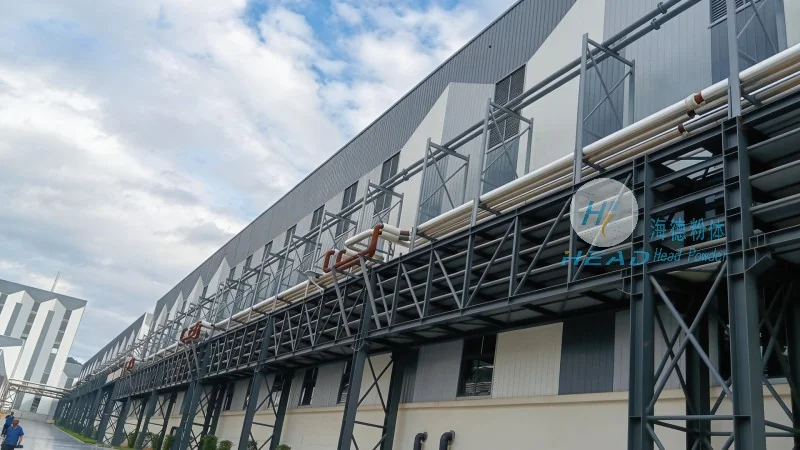
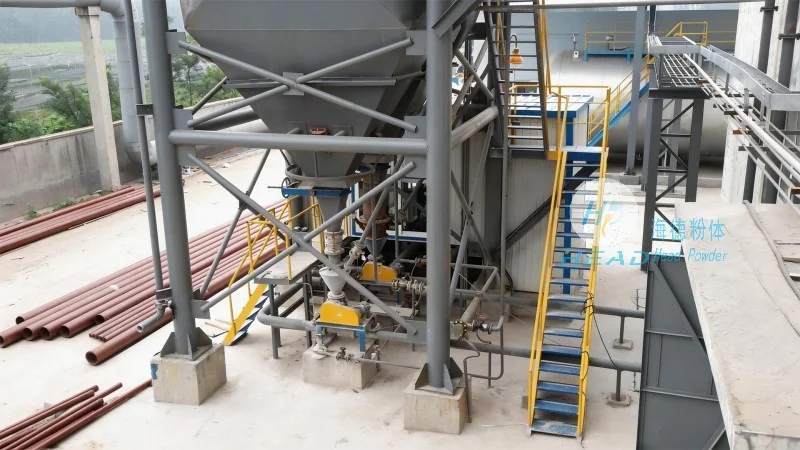
Several key components contribute to the effective operation of automatic blending and feeding pneumatic conveying systems. The material hopper stores the raw materials and provides a consistent feed to the conveyor. The feeder, often a rotary valve or screw feeder, controls the flow rate of material into the conveying line. The air compressor generates the necessary pressure to move the material through the pipeline. The pipeline itself is designed to minimize pressure loss and ensure smooth material transport. Additionally, a dust collection system is integrated to capture any airborne particles, maintaining a clean and safe working environment. The control panel allows operators to monitor and adjust system parameters, ensuring optimal performance.
Working Scene Characteristics
The working scene characteristics of these systems vary based on the industry and application. In the chemical industry, for instance, the system may handle corrosive or abrasive materials, requiring specialized materials for the hopper and pipeline. In the food and beverage sector, the system must meet stringent hygiene standards, with components made from food-grade materials and easy-to-clean surfaces. The pharmaceutical industry demands even higher levels of precision and cleanliness, often incorporating sterile air handling and closed-loop systems to prevent contamination. The system's scalability is another important characteristic, as it can be designed to handle small batches for research and development or large-scale production for manufacturing.
Advantages in Industrial Applications
Automatic blending and feeding pneumatic conveying systems offer several advantages over traditional mechanical conveying methods. One of the primary benefits is the reduction in labor costs, as the system operates with minimal human intervention. The precise control of material flow ensures consistent product quality, which is crucial in industries like pharmaceuticals and food processing. Additionally, the system is more flexible, allowing for easy changes in the blending ratio or material type without significant modifications. The lack of moving parts in the conveying line reduces maintenance and downtime, increasing overall productivity. Environmental benefits are also significant, as the system can be integrated with dust collection systems to minimize emissions and comply with environmental regulations.
Conclusion
Automatic blending and feeding pneumatic conveying systems, as exemplified by the solutions provided by Shandong HeadPowder Engineering Co., Ltd., represent a sophisticated approach to material handling and processing. By combining advanced control technologies with efficient pneumatic transport, these systems enhance productivity, ensure product quality, and adapt to diverse industrial requirements. The working scene characteristics and operational principles discussed highlight the versatility and reliability of such systems, making them indispensable in modern industrial applications.




