Water-in-powder pneumatic conveying systems represent a sophisticated technology designed to transport powdered materials efficiently and reliably. This method integrates water as a carrier medium to facilitate the movement of dry powders through a pipeline system. The technology is particularly valuable in industries where traditional dry pneumatic conveying may face challenges such as material segregation, blockage, or excessive energy consumption. HeadPowder, a leading provider of industrial conveying solutions, specializes in the design and implementation of such systems, leveraging decades of expertise to deliver customized solutions tailored to specific industrial needs.
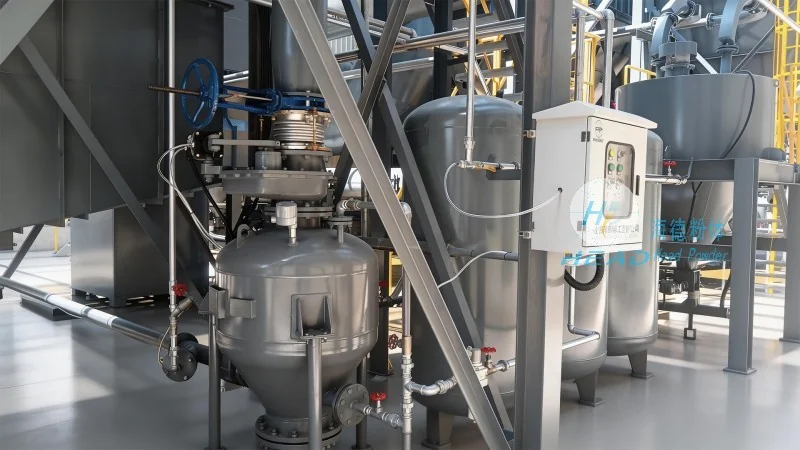
The Core Principle of Water-in-Powder Pneumatic Conveying
The fundamental principle of this system involves the creation of a slurry by mixing dry powder with water. The slurry is then propelled through a pipeline using air pressure or vacuum. The water acts as a lubricant and carrier, ensuring that the powder particles are evenly distributed and prevented from sticking to the pipeline walls. This approach effectively addresses issues like material agglomeration and reduces the risk of blockages that are common in dry conveying systems. The slurry formation process is typically controlled by a dosing system that ensures the correct ratio of water to powder, maintaining optimal flow characteristics throughout the conveying process.
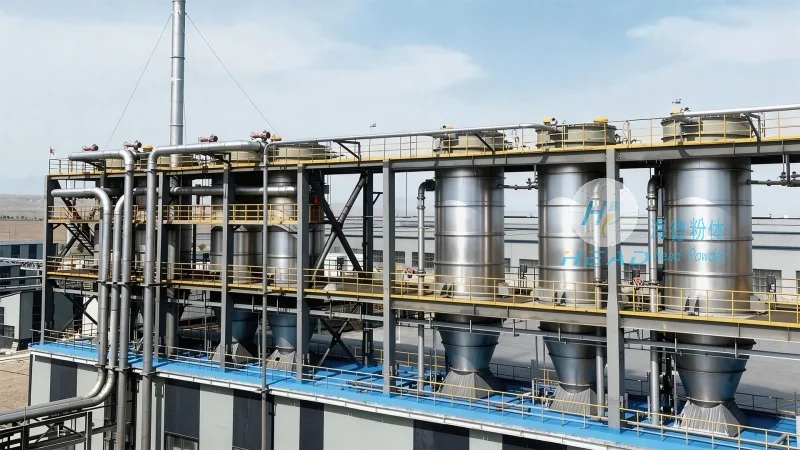
Key Working Scene Characteristics
Several distinct characteristics define the operational environment and performance of water-in-powder pneumatic conveying systems. First, the system is highly effective for transporting fine or cohesive powders that are difficult to handle in dry form. The moisture content in the slurry helps maintain particle integrity and prevents dust generation during transport, which is critical in environments where air quality and worker safety are paramount. Second, the energy efficiency of this method is notable, as the water carrier reduces the overall air volume required compared to traditional dry conveying, leading to lower operational costs and reduced energy consumption. This efficiency is particularly advantageous for large-scale industrial operations where long-term cost savings are a key consideration.
Applications and Industry Suitability
Water-in-powder pneumatic conveying is widely applied in various industrial sectors. In the chemical industry, it is used for transporting powders like calcium carbonate, titanium dioxide, and other fine chemicals. The system ensures that these materials are conveyed without degradation, maintaining their quality for subsequent processing steps. The food industry also benefits from this technology, particularly for handling dry ingredients such as flour, sugar, and protein powders, where maintaining product quality and preventing contamination is critical. Additionally, in the pharmaceutical sector, the system ensures that powders are transported in a sterile and controlled manner, adhering to stringent regulatory standards that govern the handling of medicinal ingredients.
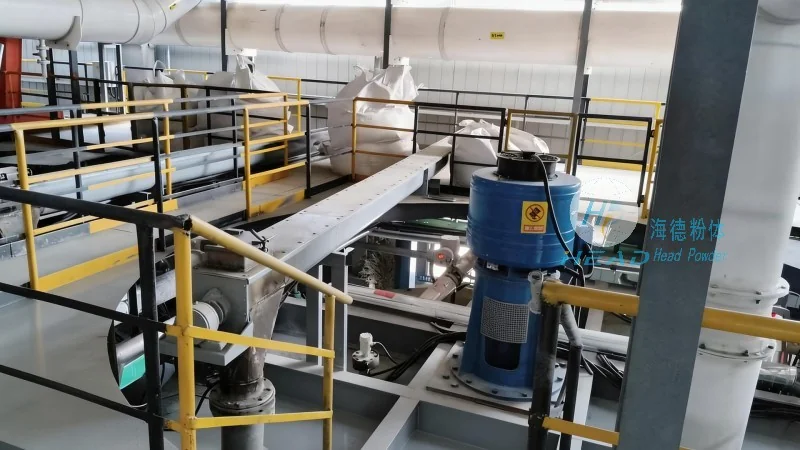
Advantages in Specific Working Scenarios
When operating in scenarios with high material moisture content or where dust control is paramount, water-in-powder systems demonstrate significant advantages. For instance, in mining operations dealing with fine ore powders, the system minimizes dust exposure for workers and reduces environmental pollution, aligning with modern environmental regulations. In construction material handling, such as transporting cement or gypsum powders, the technology ensures consistent flow rates and prevents material degradation, which is essential for maintaining the quality of building materials. Furthermore, the system is adaptable to long-distance transport, making it suitable for industrial plants located in remote areas where traditional conveying methods may not be feasible due to geographical constraints or infrastructure limitations.




