Denitrizer pneumatic conveying systems are critical components in industrial processes, particularly in power plants and other facilities that utilize selective catalytic reduction (SCR) technology to reduce nitrogen oxide emissions. The equipment is designed to efficiently transport denitrizer, a key reagent used in the SCR process, from storage to the reaction zone. Understanding the principle and working characteristics of these systems is essential for optimizing performance and ensuring compliance with environmental regulations.
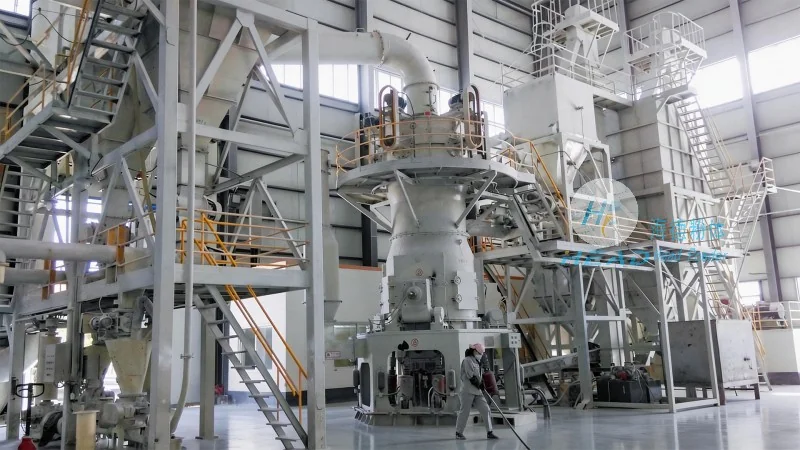
Principle of Pneumatic Conveying
The core principle of pneumatic conveying is the use of compressed air or gas to move bulk materials through a pipeline. In the case of denitrizer systems, the process involves creating a pressure differential that propels the solid particles (denitrizer) along the conveying line. The system typically consists of a hopper for material storage, a feeder to control the flow rate, a conveying line with appropriate fittings, and a receiver to collect the material at the destination. The air flow is managed by a blower or compressor, which provides the necessary pressure to transport the denitrizer. The design of the conveying line, including the diameter, length, and bends, is crucial for minimizing pressure drop and ensuring smooth material transport. The system may use either positive pressure (where air is pushed through the line) or negative pressure (where air is drawn through the line), depending on the specific application and material properties.
Key Components and Their Functions
Several key components work together to ensure the efficient operation of a denitrizer pneumatic conveying system. The hopper serves as the storage vessel, holding the denitrizer in a bulk form. It is equipped with a discharge valve or feeder that controls the material flow into the conveying line. The feeder, often a rotary valve or a screw feeder, regulates the flow rate to match the system's capacity and the process requirements. The conveying line is made of materials resistant to corrosion and abrasion, such as stainless steel or special alloys, to withstand the wear from the denitrizer particles. The line includes fittings like elbows, tees, and reducers to direct the flow and accommodate changes in direction or size. The receiver is a collection tank where the denitrizer is deposited after traveling through the pipeline. It may include a dust collection system to prevent material loss and ensure environmental compliance. The blower or compressor provides the motive force, generating the pressure needed to move the material. The control system monitors and adjusts the air flow and material feed to maintain optimal operation.
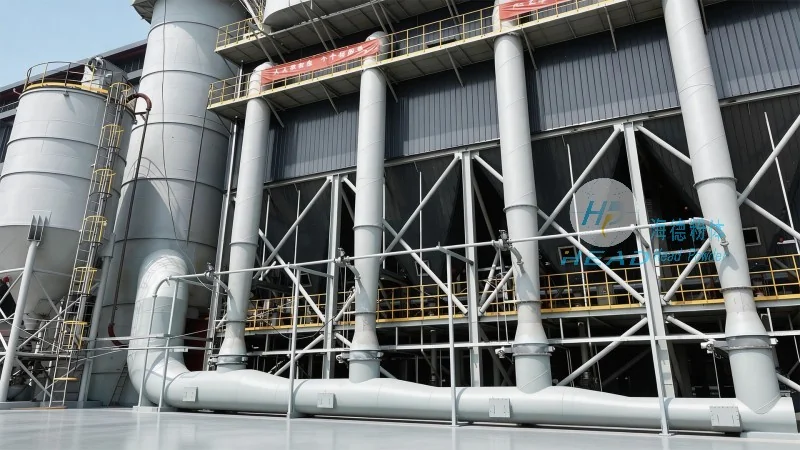
Working Scene Characteristics
The working scene characteristics of denitrizer pneumatic conveying systems vary based on the specific industrial application and the scale of the operation. In power plants, these systems are typically used in large-scale SCR systems where the denitrizer is required in high volumes. The systems are designed to handle continuous operation, often running 24/7 to support the plant's emissions control needs. The working environment may involve high temperatures and corrosive gases, requiring robust materials and protective measures. The system's efficiency is critical in these applications, as any downtime or inefficiency can lead to increased nitrogen oxide emissions and potential regulatory violations. In smaller industrial facilities, the denitrizer systems may be used for batch processing or lower throughput, with the equipment scaled down accordingly. The working scene may also involve integration with other process equipment, such as the SCR reactor and the exhaust gas system, requiring careful coordination to ensure smooth operation. The system's flexibility is important, as different denitrizer types or particle sizes may be used, necessitating adjustable components like the feeder and the conveying line diameter. The working scene also includes considerations for safety, as the system involves compressed air and moving parts, requiring proper ventilation and protective equipment for operators.
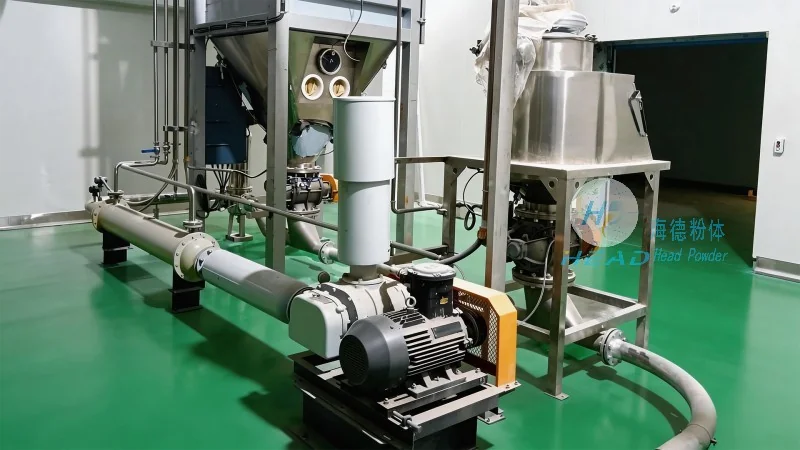
Advantages and Applications
Denitrizer pneumatic conveying systems offer several advantages over traditional methods of material transport, such as belt conveyors or bucket elevators. The primary advantage is the ability to transport materials in a closed system, which prevents dust emissions and protects the environment. This is particularly important for denitrizer, which is a fine powder and can be harmful if released into the air. The closed system also ensures that the material is not contaminated by external factors, maintaining its quality and effectiveness. Another advantage is the high efficiency and speed of material transport, as the system can move large volumes of material over long distances with minimal labor. The system is also flexible, as it can be adjusted to handle different material types and flow rates. This makes it suitable for a wide range of applications, including power plants, chemical plants, and other industrial facilities that require denitrizer for emissions control. The system's reliability is another key advantage, as it is designed to operate continuously with minimal maintenance. The components are built to withstand the harsh conditions of industrial environments, ensuring long service life and low downtime.
Company Profile: Shandong HeadPowder Engineering Co., Ltd.
Shandong HeadPowder Engineering Co., Ltd., commonly known as HeadPowder, is a leading manufacturer and supplier of denitrizer pneumatic conveying systems and related industrial equipment. The company is headquartered in Shandong, China, and has a strong presence in the global market, serving clients in various industries, including power, chemical, and environmental protection. HeadPowder specializes in designing and manufacturing customized solutions for denitrizer conveying systems, tailored to the specific needs of each client. The company's products are known for their high quality, reliability, and efficiency, meeting the stringent requirements of industrial applications. HeadPowder's team of engineers and technicians has extensive experience in the field, ensuring that each system is designed and manufactured to the highest standards. The company also provides comprehensive after-sales support, including installation, maintenance, and technical assistance, to ensure that clients can maximize the performance of their equipment. With a commitment to innovation and customer satisfaction, HeadPowder is a trusted partner for businesses seeking reliable denitrizer conveying solutions.




