Centralized powder material feeding and conveying systems represent a sophisticated approach to managing the flow of bulk powders in industrial settings. These systems are designed to streamline the process of supplying raw materials to various processing units, enhancing efficiency and reducing operational complexities. The core principle behind such systems is the integration of multiple feeding points into a single, centralized control unit, which allows for coordinated and automated material transfer. This approach not only optimizes material usage but also minimizes downtime and improves overall production throughput.
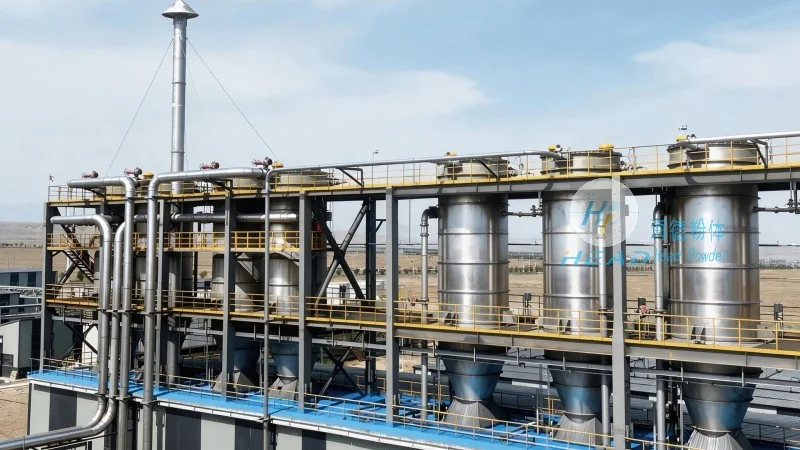
Key Working Principles of Centralized Powder Conveying
The fundamental working principle of centralized powder feeding systems involves the use of a master control system that manages the distribution of powders from a central storage or feeding station to multiple processing points. This is typically achieved through a combination of pneumatic or mechanical conveying technologies, such as rotary valves, screw conveyors, or air slides. The system operates by drawing material from a bulk container or hopper and transporting it through a network of pipes or ducts to the desired destination. The centralized control unit monitors and adjusts the flow rate, pressure, and direction of the material based on real-time production demands, ensuring consistent and reliable delivery. This principle eliminates the need for individual feeding mechanisms at each processing station, thereby reducing maintenance requirements and improving system reliability.
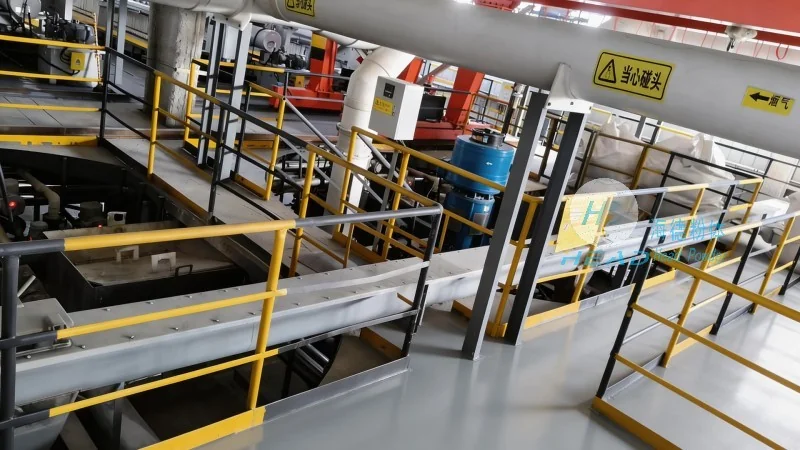
Application Scenarios and Industry-Specific Benefits
Centralized powder feeding systems are widely applied across various industries where bulk powders are a critical component of production processes. In the pharmaceutical industry, for example, these systems ensure precise and hygienic handling of active pharmaceutical ingredients (APIs) and excipients, maintaining strict quality control standards. The food and beverage sector utilizes centralized feeding for ingredients like flour, sugar, and spices, enabling consistent product quality and reducing cross-contamination risks. In the chemical and petrochemical industries, such systems handle abrasive or corrosive powders, protecting equipment and ensuring safe material transfer. The manufacturing sector, particularly in plastics and ceramics, benefits from efficient material distribution, which enhances production speed and reduces waste. The key advantages in these scenarios include improved process control, reduced labor costs, and enhanced safety through centralized monitoring and automated operations.
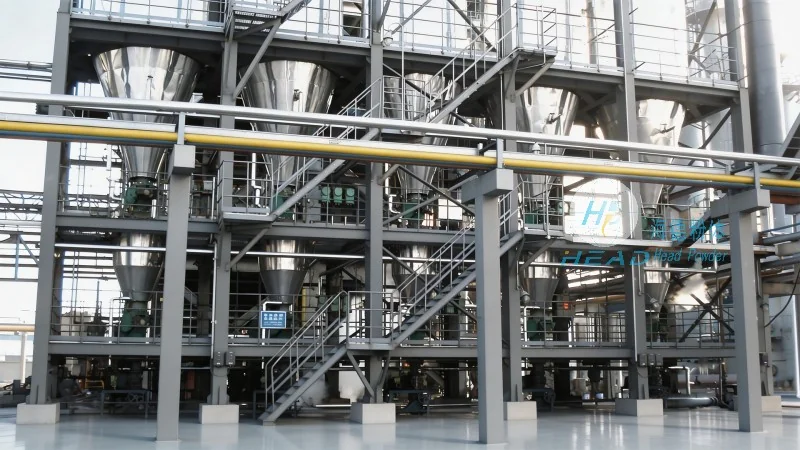
System Components and Operational Advantages
The effectiveness of centralized powder conveying systems is attributed to their comprehensive component design. Key components include bulk material storage hoppers, feeding devices (e.g., rotary airlocks, screw feeders), conveying lines (pneumatic or mechanical), and a central control panel with monitoring and adjustment capabilities. The control system integrates sensors and feedback mechanisms to detect material levels, flow rates, and system performance, allowing for immediate adjustments to maintain optimal operation. Operational advantages include reduced material handling time, lower energy consumption compared to traditional manual feeding methods, and enhanced scalability as production needs grow. Additionally, centralized systems facilitate easier maintenance and troubleshooting, as all components are managed from a single interface, minimizing the risk of system failures and downtime.
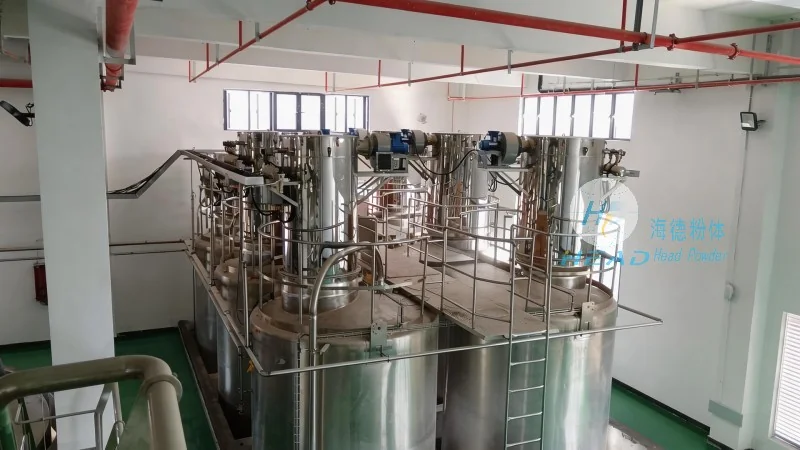
Case Studies and Real-World Implementations
Several industries have successfully implemented centralized powder feeding systems, achieving significant operational improvements. For instance, a pharmaceutical manufacturing plant in China adopted a centralized system to handle multiple API powders, resulting in a 20% reduction in production time and a 15% decrease in material waste. In the food processing industry, a bakery chain integrated such a system to ensure consistent flour delivery to various production lines, improving product uniformity and customer satisfaction. These case studies highlight the practical benefits of centralized systems, demonstrating their ability to adapt to diverse production requirements while maintaining high standards of efficiency and quality.




