Dense phase powder transport, also known as dense phase pneumatic conveying, is a specialized method for transporting bulk powders through pipelines using a combination of gas and solid particles. This technology operates by creating a high-pressure environment that forces the powder to move in a dense, slurry-like state rather than as individual particles suspended in air. The core principle involves the use of a compressor or blower to generate sufficient pressure, typically ranging from 0.5 to 2.0 MPa, which ensures that the powder particles are closely packed and move as a cohesive mass. This approach significantly reduces the risk of particle degradation, caking, or segregation compared to traditional dilute phase conveying methods.
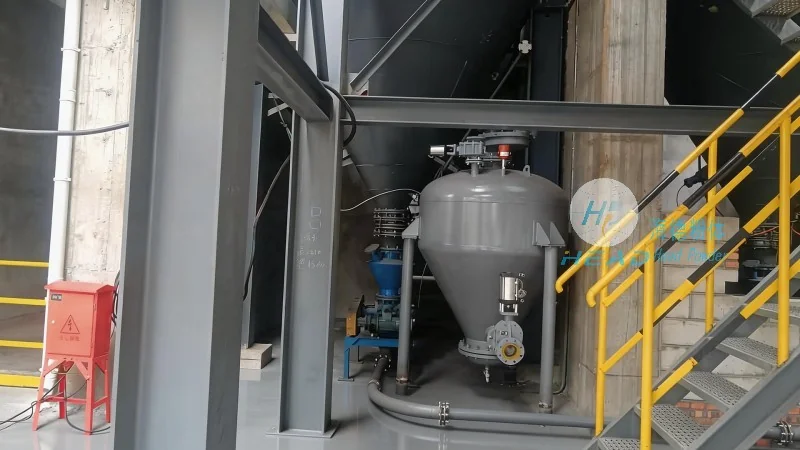
Key Working Principles of Dense Phase Powder Transport
The fundamental mechanism of dense phase powder transport revolves around the interaction between the gas (usually air or inert gas) and the solid powder. In this system, the gas is introduced into the pipeline at a controlled rate, and the powder is fed into the pipeline under pressure. The high pressure causes the powder to form a dense plug, which travels through the pipeline with minimal separation between particles. This dense plug movement ensures that the powder maintains its physical properties, such as flowability and particle size distribution, throughout the conveying process. The pressure differential between the inlet and outlet of the pipeline drives the flow, and the system is designed to maintain a consistent pressure gradient to prevent backflow or blockages. The use of a positive displacement pump or a pressure vessel can further enhance the control over the pressure and flow rate, ensuring stable operation.
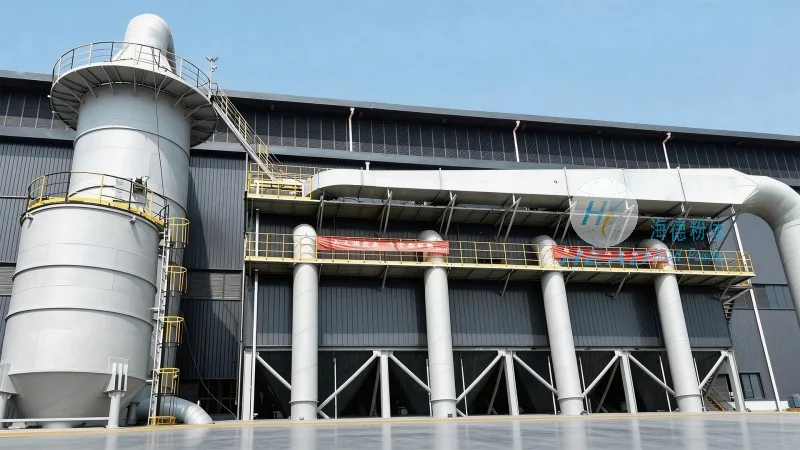
Typical Working Scenarios and Applications
Dense phase powder transport is widely applied in various industrial sectors where the integrity of the powder is critical. In the chemical industry, it is used for transporting reactive powders, such as catalysts or pigments, to prevent oxidation or contamination. The mining sector utilizes this technology for conveying ore powders from processing plants to storage facilities, ensuring that the ore remains in its original state without degradation. Pharmaceutical companies also benefit from dense phase conveying for transporting active pharmaceutical ingredients (APIs) and excipients, as it maintains the purity and stability of the powders. Additionally, in the food and beverage industry, this method is employed for transporting powdered ingredients like sugar, flour, or dairy products, preserving their quality and preventing caking or clumping. The versatility of dense phase transport makes it suitable for a wide range of applications where traditional pneumatic conveying methods may not be effective due to the sensitivity of the powder.
Advantages and Challenges in Dense Phase Powder Transport
One of the primary advantages of dense phase powder transport is its ability to handle a wide range of powder characteristics, including fine powders, cohesive powders, and those with high moisture content. Unlike dilute phase conveying, which relies on particle suspension in air, dense phase transport minimizes the risk of particle degradation, caking, or segregation. This results in higher conveying efficiency and lower energy consumption, as the system operates at lower gas velocities and higher pressure. However, dense phase transport also presents certain challenges. The high pressure requirements may increase the initial investment and maintenance costs compared to other conveying methods. Additionally, the system may be more susceptible to blockages if the powder contains high levels of moisture or if the pipeline is not properly designed. Proper maintenance, including regular cleaning and inspection of the pipeline and pressure components, is essential to ensure reliable operation.
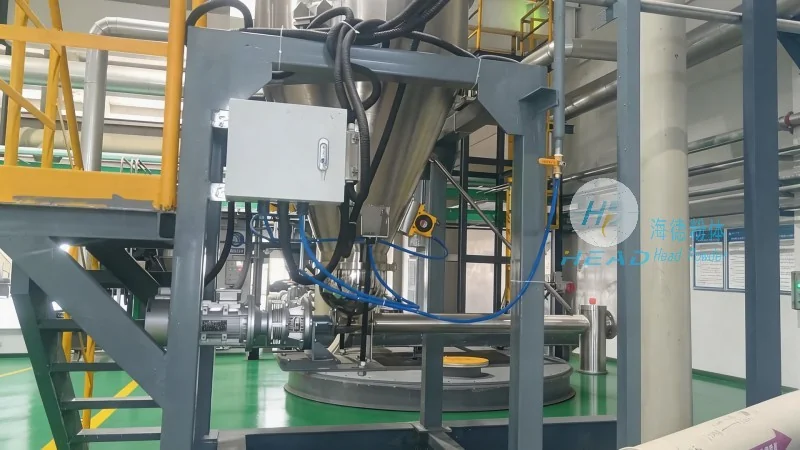
Company Profile: Shandong HeadPowder Engineering Co., Ltd.
Shandong HeadPowder Engineering Co., Ltd., commonly known as HeadPowder, is a leading provider of dense phase powder transport solutions. With its headquarters located in Shandong, China, the company specializes in designing, manufacturing, and installing advanced powder handling systems tailored to the specific needs of various industries. HeadPowder's expertise lies in developing customized conveying systems that optimize the performance and efficiency of powder transport processes. The company's team of engineers and technicians utilizes cutting-edge technology and extensive industry experience to deliver solutions that meet the highest standards of quality and reliability. By focusing on dense phase powder transport, HeadPowder helps clients improve their production efficiency, reduce material losses, and enhance the overall safety of their operations. The company's commitment to innovation and customer satisfaction has established it as a trusted partner in the powder handling industry.




