Stearic acid sodium, also known as sodium stearate, is a widely used chemical compound in various industrial applications. The pneumatic conveying system designed for handling this material plays a crucial role in ensuring efficient and safe material transport. This article delves into the underlying principles of such systems and highlights the key working scene characteristics that define their operational effectiveness.
Introduction to Stearic Acid Sodium Pneumatic Conveying Systems
The pneumatic conveying system for stearic acid sodium is engineered to transport the material from a source to a destination using a combination of air pressure and flow dynamics. At the core of this technology is the ability to handle fine powders and granules, which are often challenging to transport through traditional methods like belt conveyors or screw conveyors. The system operates by creating a low-pressure or high-pressure air stream that pulls or pushes the material through a pipeline network. This approach not only enhances material handling efficiency but also minimizes the risk of dust contamination and material degradation.
Key Components and Working Principle
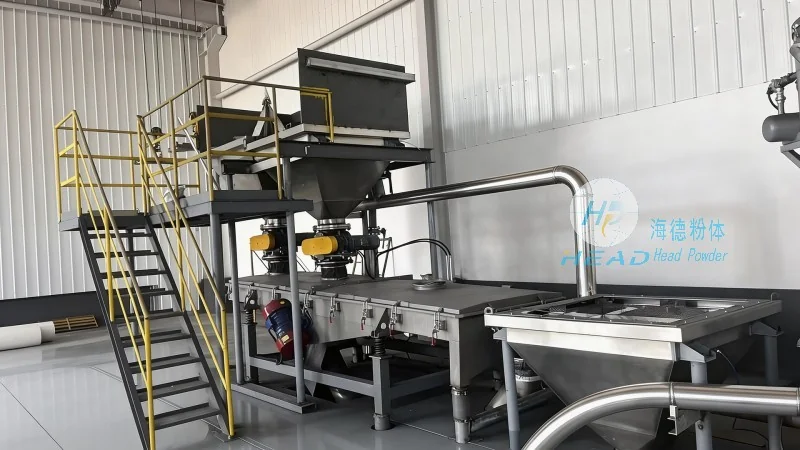
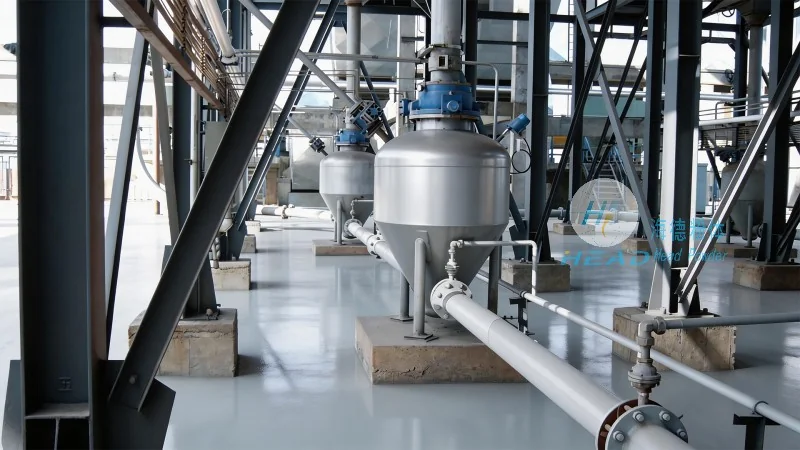
The pneumatic conveying system typically consists of several critical components, each playing a vital role in the overall operation. The primary components include a material hopper, a rotary valve or feeder, a venturi or eductor, a pipeline system, and a receiver or discharge hopper. The material is first loaded into the hopper, where it is then fed into the system via the rotary valve. The venturi or eductor then generates the necessary air flow to move the material through the pipeline. The air and material mixture travels through the pipeline to the receiver, where the material is separated from the air and collected.
The working principle revolves around the interaction between the air flow and the material particles. When air is introduced into the pipeline at a sufficient velocity, it creates a suction effect that pulls the material particles along with it. This is particularly effective for fine powders like stearic acid sodium, which have a tendency to settle or clump. The system can operate in either positive pressure or negative pressure modes, depending on the application requirements. Positive pressure systems use compressed air to push the material, while negative pressure systems use vacuum to pull the material. The choice between these modes depends on factors such as the distance to be covered, the material's characteristics, and the system's overall efficiency.
Working Scene Characteristics and Application Scenarios
The working scene characteristics of the stearic acid sodium pneumatic conveying system are tailored to meet the specific demands of various industrial environments. These systems are commonly used in industries such as pharmaceuticals, food processing, and chemical manufacturing, where the handling of fine powders is essential. The key characteristics include high efficiency in material transport, minimal product loss, and reduced labor costs compared to manual handling methods. Additionally, the system offers improved safety by containing dust and preventing exposure to the material during transport.
In pharmaceutical applications, the system ensures that the stearic acid sodium is transported in a sterile and controlled environment, minimizing the risk of contamination. The negative pressure mode is often preferred in these settings to prevent the escape of fine particles into the surrounding air. In food processing industries, the system maintains the purity of the material by using air filtration and cleaning mechanisms. The positive pressure mode may be used when transporting the material over longer distances or through multiple stages of processing.
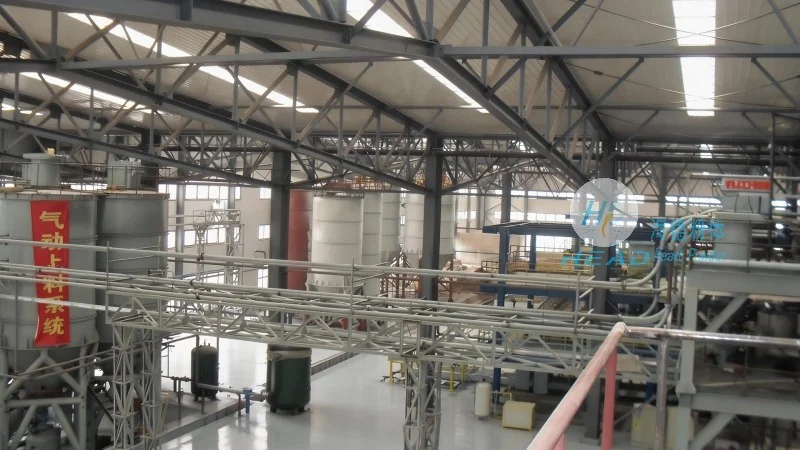
In chemical manufacturing, the system's ability to handle varying particle sizes and moisture content makes it suitable for diverse applications. The system can be integrated with other processing equipment, such as mixers and reactors, to streamline the production process. The working scene characteristics also include the ability to handle high volumes of material, making it ideal for large-scale production facilities. The system's flexibility allows for adjustments in flow rates and pressure levels to accommodate different material loads and processing requirements.
Advantages and Operational Considerations
Implementing a pneumatic conveying system for stearic acid sodium offers several advantages over traditional material handling methods. The primary benefits include increased efficiency, reduced downtime, and improved product quality. The system's ability to handle fine powders without degradation or clumping ensures that the material remains in its optimal state for subsequent processing steps. Additionally, the system reduces the need for manual handling, thereby minimizing the risk of workplace injuries and improving overall safety.
However, the operation of such systems requires careful consideration of several factors. The selection of the appropriate air flow rate and pressure is critical to ensure efficient material transport without causing excessive wear and tear on the system components. The material's properties, such as its density, moisture content, and particle size distribution, must be taken into account when designing the system. Regular maintenance and cleaning of the pipeline and components are essential to prevent blockages and maintain system performance. The system's design must also comply with industry standards and regulations to ensure safety and compliance.
Conclusion
The pneumatic conveying system for stearic acid sodium is a sophisticated and efficient solution for material transport in various industrial applications. By understanding the underlying principles and working scene characteristics, industries can leverage this technology to enhance their operational efficiency and product quality. The system's adaptability and reliability make it a preferred choice for handling fine powders, ensuring that the material is transported safely and effectively from the source to the destination. As industrial processes continue to evolve, the importance of such systems in optimizing material handling will only grow, making them an indispensable component of modern manufacturing operations.




