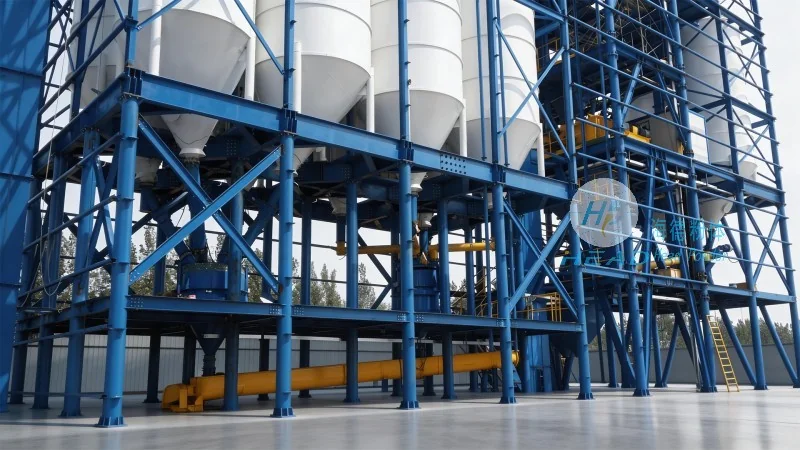
Crystal powder conveying systems are critical components in industrial processes, particularly for handling crystalline materials that require precise and efficient transportation. These systems are designed to manage the flow of powders with high accuracy, ensuring minimal loss and optimal performance in various operational environments. The core principles of such systems revolve around understanding the physical properties of the powder, including particle size, density, and flow characteristics, which directly influence the selection of appropriate conveying mechanisms.
Core Principles of Crystal Powder Conveying Systems
The fundamental principle behind crystal powder conveying systems is the ability to control the movement of fine, often cohesive particles. Unlike bulk solids, crystalline powders may exhibit issues like bridging, segregation, or agglomeration, which can impede smooth flow. To address these challenges, modern conveying systems employ advanced technologies such as pneumatic conveying, mechanical screw conveyors, and vacuum systems. Each method is tailored to the specific characteristics of the powder, ensuring that the material is transported without degradation or loss of quality.
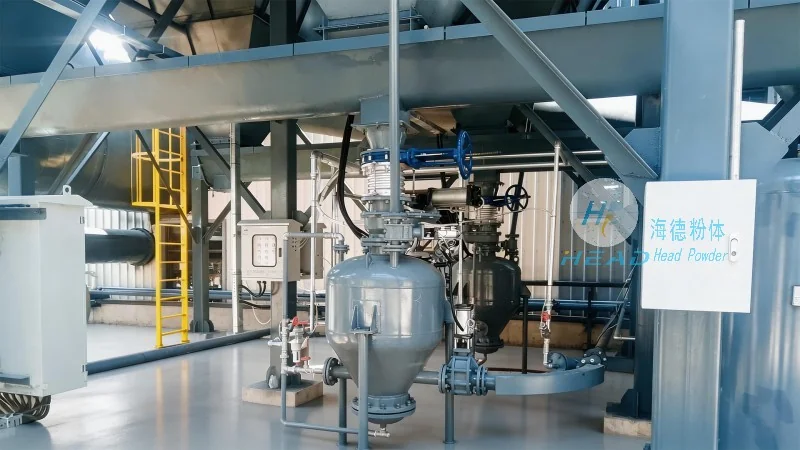
A key aspect of the system's design is the integration of components that maintain consistent pressure and flow rates. For instance, in pneumatic conveying, the use of positive or negative pressure differentials creates a force that propels the powder through pipelines. This approach is particularly effective for materials that are sensitive to moisture or contamination, as the enclosed system prevents external factors from affecting the product. Additionally, the system's control mechanisms, including variable speed drives and pressure sensors, allow for real-time adjustments to maintain optimal conveying conditions.
Application Scenarios and Operational Environments
Crystal powder conveying systems are widely utilized across multiple industries, including pharmaceuticals, chemicals, food processing, and mining. Each application presents unique challenges that require specialized system configurations. For example, in pharmaceutical manufacturing, the systems must adhere to stringent hygiene and contamination control standards, often incorporating stainless steel construction and closed-loop designs to ensure product purity. In contrast, chemical processing facilities may require systems capable of handling corrosive or abrasive powders, which necessitates the use of materials like Hastelloy or specialized coatings to protect the equipment.
In the food industry, conveying systems for crystalline powders like sugar or salt must meet food-grade safety regulations. This includes features like CIP (Clean-In-Place) capabilities and non-stick surfaces to prevent product buildup and ensure easy cleaning. The systems are also designed to maintain low temperatures, especially for heat-sensitive materials, to preserve the product's quality and prevent degradation. Similarly, in mining operations, the focus is on durability and the ability to handle large volumes of coarse crystalline ores, often using high-capacity screw or bucket elevators.
System Components and Design Considerations
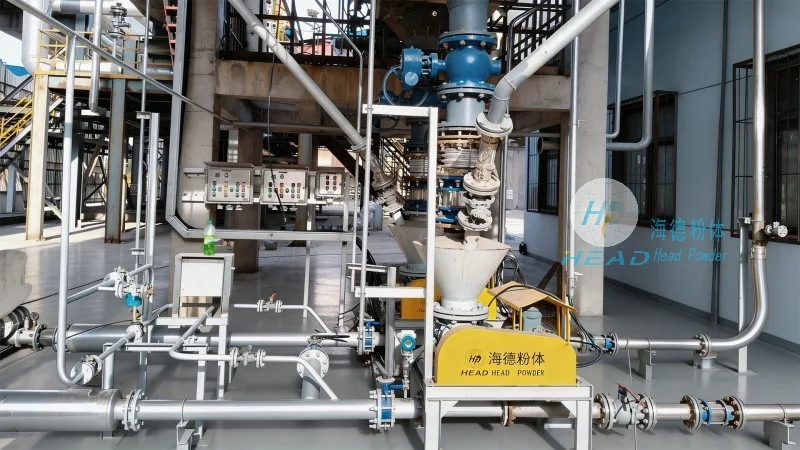
The effectiveness of a crystal powder conveying system depends heavily on its component design and integration. Key components include feeders, hoppers, conveying lines, and discharge units. Feeders, such as rotary valves or vibratory feeders, are crucial for controlling the flow rate of the powder from the source to the conveyor. Hoppers are designed to store the material and provide a consistent feed, often with sloped walls to prevent bridging and ensure smooth discharge. Conveying lines, whether pneumatic or mechanical, are engineered to handle the specific flow characteristics of the powder, with considerations for particle size distribution and density.
Discharge units, such as rotary valves or gate valves, regulate the release of the powder from the system, ensuring controlled and uniform output. The choice of materials for these components is critical, as they must withstand the abrasive nature of crystalline powders and resist corrosion from acidic or alkaline substances. For instance, stainless steel is commonly used for its durability and resistance to chemical exposure, while specialized alloys may be employed for highly corrosive applications. Additionally, the system's design incorporates features like dust collection and filtration to maintain air quality and comply with environmental regulations.
Advantages and Performance Metrics
Crystal powder conveying systems offer several advantages over traditional methods, including improved efficiency, reduced labor costs, and enhanced product quality. The use of enclosed systems minimizes dust emissions, creating a safer working environment and complying with environmental standards. Additionally, the precise control over flow rates and pressure ensures that the powder is transported without degradation, preserving its physical and chemical properties. This is particularly important for pharmaceutical and food applications, where product quality is paramount.
Performance metrics for these systems typically include conveying capacity, which measures the volume of powder transported per unit time, and pressure drop, which indicates the energy efficiency of the system. High-capacity systems are designed to handle large volumes, often used in mining and bulk chemical processing, while low-capacity systems are suitable for laboratory or small-scale applications. The energy efficiency of the system is also a key consideration, as it directly impacts operational costs. Modern systems incorporate energy-saving features, such as variable speed drives, which adjust the motor speed based on the conveying demand, reducing energy consumption.
Maintenance and Operational Best Practices
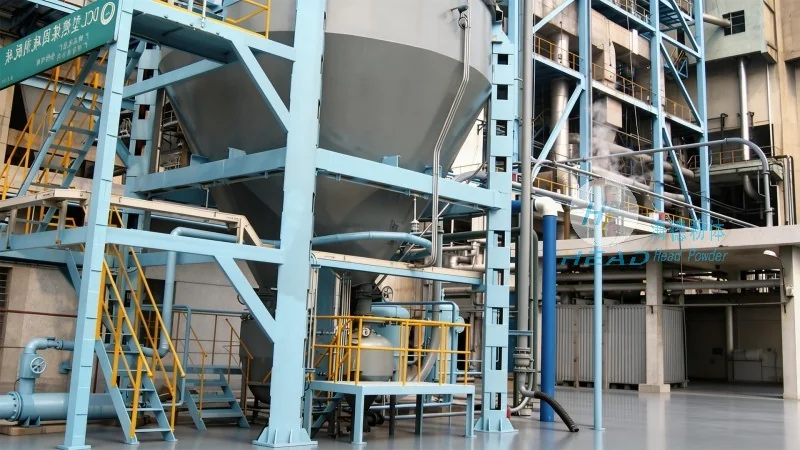
Proper maintenance is essential to ensure the longevity and optimal performance of crystal powder conveying systems. Regular inspections and cleaning are necessary to prevent the buildup of powder residues, which can lead to system inefficiencies and equipment failure. Maintenance schedules should include checks of components like feeders, hoppers, and conveying lines for signs of wear or damage. For pneumatic systems, air filters and compressors require periodic maintenance to ensure clean and dry air, which is critical for preventing moisture-related issues in the powder.
Operational best practices also involve monitoring system performance and making adjustments as needed. This includes tracking flow rates, pressure differentials, and temperature to identify any deviations from optimal conditions. Early detection of issues, such as increased pressure drop or reduced conveying capacity, allows for timely maintenance, preventing costly downtime. Additionally, training operators on proper system operation and maintenance procedures is crucial to ensure consistent performance and extend the system's lifespan.
Conclusion
Crystal powder conveying systems are sophisticated industrial solutions that play a vital role in the efficient and safe handling of crystalline materials. By understanding the core principles of these systems and adapting them to specific application scenarios, industries can achieve improved productivity, product quality, and operational efficiency. The integration of advanced technologies and careful design considerations ensures that these systems meet the diverse needs of modern industrial processes, supporting the growth and success of companies like Shandong HeadPowder Engineering Co., Ltd., which specializes in providing tailored conveying solutions for various industries.




