HeadPowder, a leading engineering company based in Shandong, China, specializes in the design, manufacturing, and implementation of advanced pneumatic conveying systems for various industrial applications. This article explores the fundamental principles behind paper sheet powder pneumatic conveying lines and highlights the key characteristics of their operational scenarios, providing insights into how these systems efficiently handle the unique challenges associated with transporting paper-based powders.
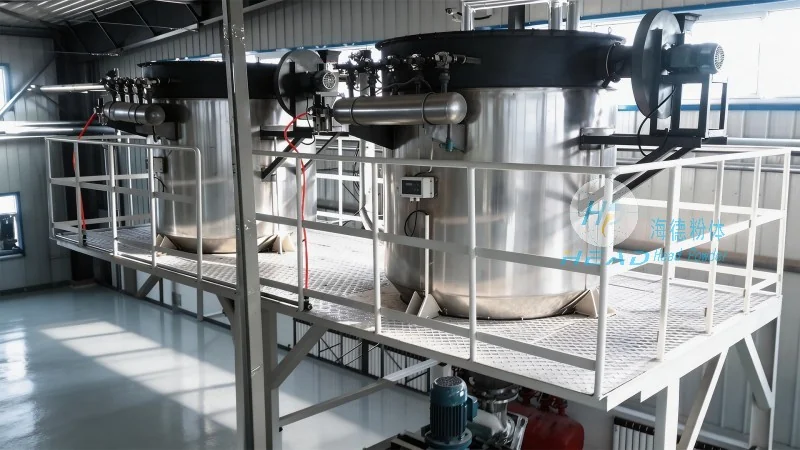
Understanding the Core Principle of Pneumatic Conveying for Paper Sheet Powders
Pneumatic conveying systems utilize compressed air or vacuum to transport bulk materials, such as paper sheet powders, through a pipeline. The principle is based on the interaction between the material particles and the air flow, which can be categorized into two main types: positive pressure and negative pressure systems. Positive pressure systems generate air flow by blowing air into the pipeline, while negative pressure systems create suction by drawing air out of the pipeline. For paper sheet powders, which are often lightweight, fine, and prone to agglomeration, the choice of system type and operating parameters is critical to ensure efficient and reliable transport.
The primary mechanism involves the suspension of powder particles in the air stream. As air flows through the pipeline, it lifts and transports the particles, maintaining them in a fluidized state. The design of the conveying line, including the size and shape of the pipeline, the type of air nozzles, and the placement of bends and valves, directly impacts the system's performance. For paper sheet powders, which may have varying particle sizes and moisture content, the system must be optimized to prevent particle degradation, caking, or blockages. This often requires the integration of specialized components, such as rotary valves, air locks, and filter systems, to ensure smooth and continuous operation.
Key Operational Characteristics of Paper Sheet Powder Pneumatic Conveying Lines
The operational characteristics of pneumatic conveying lines for paper sheet powders are shaped by several factors, including the material's physical properties, the required transport distance, and the application's specific requirements. One of the most significant characteristics is the system's ability to handle low bulk density materials. Paper sheet powders typically have a low density compared to other bulk solids, which means that higher air velocities or larger pipeline diameters may be needed to achieve the desired transport efficiency. Additionally, the material's hygroscopic nature can affect its flowability and tendency to stick to surfaces, necessitating the use of heated or insulated pipelines to maintain optimal moisture levels and prevent material buildup.
Another critical characteristic is the system's flexibility in accommodating varying production rates. In industrial settings, such as paper mills or packaging facilities, the demand for paper sheet powders can fluctuate throughout the day. Pneumatic conveying systems are designed to adapt to these changes by adjusting air pressure or flow rates, ensuring that the material is transported without interruptions or excessive energy consumption. This adaptability is particularly important in scenarios where the system must integrate with other production processes, such as blending, drying, or packaging, where precise material control is essential.
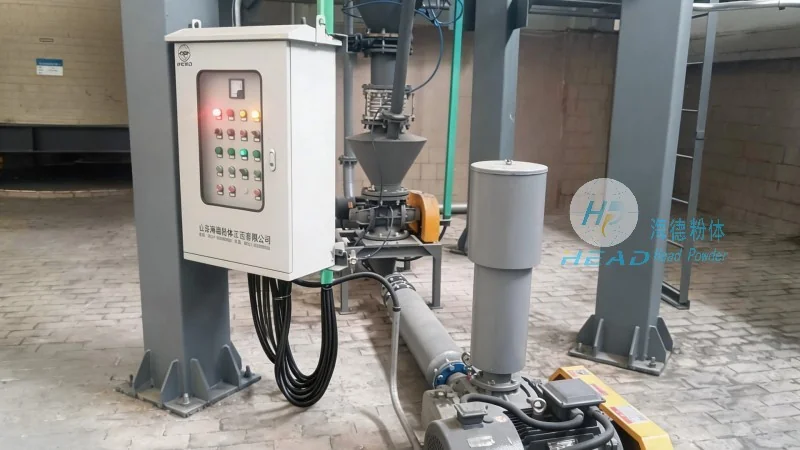
The efficiency of the conveying line is also influenced by the system's ability to minimize material loss and contamination. Paper sheet powders are often used in applications where purity is paramount, such as in the production of specialty papers or packaging materials. To maintain product quality, the system must incorporate effective filtration and separation mechanisms. For example, cyclone separators and bag filters are commonly used to remove fine particles and prevent dust from escaping into the environment. Additionally, the design of the discharge and collection points is crucial to prevent material spillage and ensure that the powder is delivered to the target location in a controlled manner.
Common Application Scenarios and System Configurations
Paper sheet powder pneumatic conveying lines are widely used in various industrial sectors, each with its own unique operational requirements. In the paper manufacturing industry, these systems are employed to transport raw materials, such as wood pulp or recycled paper fibers, from storage silos to processing equipment. The long-distance transport and the need to handle large volumes of material make positive pressure systems a preferred choice, as they can maintain consistent air pressure and flow rates over extended distances.
In the packaging and printing industry, pneumatic conveying lines are used to transport finished paper products, such as labels or packaging sheets, from production lines to storage or shipping areas. The focus here is on speed and accuracy, as the system must deliver the paper sheets to the next stage of the production process without damage or delay. Negative pressure systems are often used in these applications, as they can create a clean and dust-free environment, which is essential for maintaining the quality of the final product.
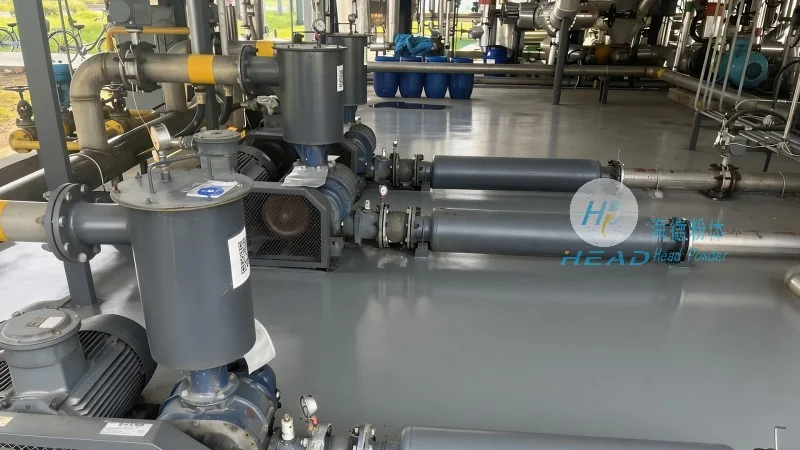
In the chemical and pharmaceutical sectors, where paper-based powders are used as raw materials or additives, the conveying systems must meet stringent safety and hygiene standards. This includes the use of explosion-proof components, sealed pipelines, and advanced filtration systems to prevent contamination and ensure worker safety. The system's design must also consider the potential for material reactions or degradation, which may require the integration of temperature control or inert gas systems to protect the powder and the equipment.
Customization and Technical Advantages of HeadPowder's Solutions
HeadPowder Engineering Co., Ltd., based in Shandong, China, offers tailored pneumatic conveying solutions that address the specific needs of each application. The company's expertise lies in the design of customized systems that optimize performance, efficiency, and cost-effectiveness. By leveraging advanced engineering and material science, HeadPowder's solutions are designed to handle the unique challenges of paper sheet powders, such as low density, hygroscopicity, and susceptibility to degradation.
One of the key technical advantages of HeadPowder's systems is their ability to integrate with existing production lines. The company provides comprehensive engineering services, including system analysis, design, and installation, to ensure seamless integration with the client's operations. This approach minimizes downtime and ensures that the new system operates in harmony with the existing infrastructure. Additionally, HeadPowder's commitment to quality and innovation is reflected in the use of high-performance components, such as stainless steel pipelines, advanced air nozzles, and intelligent control systems, which enhance the system's durability and reliability.
The company's focus on customer satisfaction is evident in its after-sales support and maintenance services. By providing regular system inspections, performance monitoring, and technical assistance, HeadPowder ensures that the pneumatic conveying lines continue to operate at optimal levels, reducing maintenance costs and maximizing productivity. This comprehensive approach to service and support has made HeadPowder a trusted partner for industries relying on efficient and reliable transport of paper sheet powders.




