For industrial operations that require efficient and reliable transport of lancoal powder, the pneumatic conveying line provides a sophisticated solution. This technology is specifically designed to address the unique challenges of handling lancoal powder, ensuring safe, clean, and efficient material transfer from the source to the destination. The core principle of the pneumatic conveying line involves utilizing air pressure to move the powder through a network of pipes, eliminating the need for mechanical components like belts or buckets that could cause contamination or wear on the material.
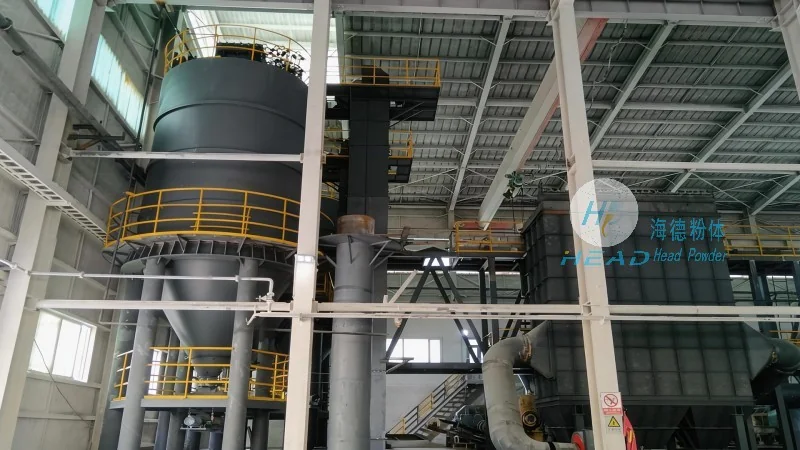
Understanding the Pneumatic Conveying Principle
The pneumatic conveying line operates on the fundamental principle of creating a pressure differential. By generating this differential, the system draws the lancoal powder into the conveying line and propels it forward. This method is particularly effective for powders that are prone to dusting or caking, as the enclosed system prevents environmental contamination and maintains the product's integrity. The technology can be classified into two main types: dilute phase and dense phase, each tailored to different material characteristics and application requirements. Dilute phase systems use higher air velocities to transport the powder, while dense phase systems use lower velocities and higher pressure to move the material more slowly and with less segregation.
Key Components and Their Functions
The lancoal powder pneumatic conveying line consists of several critical components that work in synergy to ensure optimal performance. The primary components include the material feed system, air compressor, conveying pipeline, and discharge unit. The material feed system, typically equipped with a hopper and a feeder, ensures a consistent flow of lancoal powder into the system. The hopper stores the material and provides a controlled feed to the feeder, which then meters the powder into the conveying line. The air compressor generates the necessary pressure to move the material through the pipeline, with options ranging from rotary lobe compressors to positive displacement blowers depending on the system's requirements. The conveying pipeline, usually made of stainless steel or other corrosion-resistant materials, is designed to withstand the abrasive nature of lancoal powder and maintain airtight integrity. The pipeline may include bends, elbows, and expansion joints to accommodate changes in direction and elevation. The discharge unit, such as a rotary valve or a dust collector, controls the release of the material at the destination point, preventing backflow and maintaining system efficiency. In some applications, a filter or cyclone separator is included to capture any fine particles and return them to the system, ensuring no material is lost to the environment.
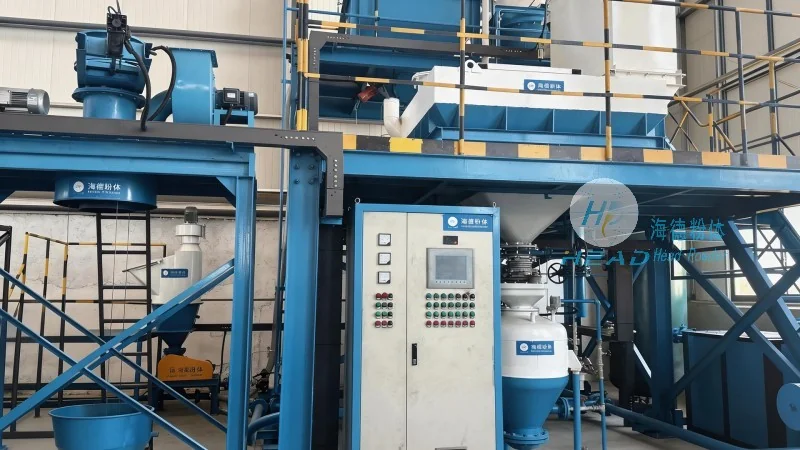
Working Scene Characteristics: Industrial Applications
The working scene characteristics of the lancoal powder pneumatic conveying line are defined by its adaptability to various industrial environments. In thermal power plants, for example, this system is used to transport lancoal from storage silos to boilers, ensuring a continuous fuel supply. The system's ability to handle large volumes of material with minimal maintenance makes it ideal for such high-demand applications. The enclosed design of the system is crucial in these environments, as it prevents dust emissions and maintains a safe working atmosphere, which is essential for compliance with occupational health and safety regulations. In chemical processing facilities, the conveying line is employed to move lancoal powder to reactors or storage tanks, where it serves as a raw material. The system's reliability and ability to maintain product purity are critical in these applications, as any contamination could affect the final product quality. Additionally, in mining operations, the pneumatic conveying line is used to transport lancoal from mines to processing plants, reducing the need for manual handling and improving operational safety. The system's flexibility allows it to be integrated into existing mining infrastructure, minimizing disruption to production.
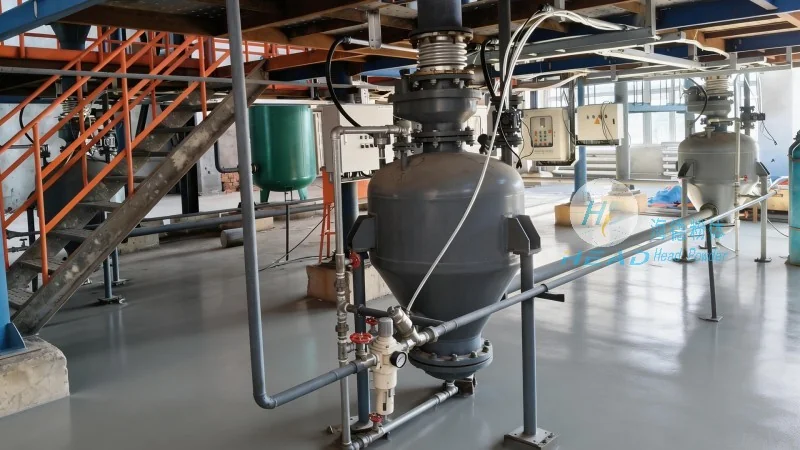
Advantages and Benefits in Practical Use
Implementing a lancoal powder pneumatic conveying line offers several advantages over traditional transport methods. One of the most significant benefits is the reduction in labor costs, as the system automates the material handling process. The enclosed system also minimizes dust exposure, improving worker safety and reducing the risk of respiratory issues. Furthermore, the system's ability to handle abrasive materials without significant wear and tear extends the lifespan of components, reducing maintenance costs over time. The flexibility of the system allows for easy integration into existing industrial setups, making it a cost-effective solution for upgrading or expanding material handling capabilities. Another advantage is the reduced risk of material spillage or loss, as the enclosed pipeline prevents accidental release of the powder. This not only improves operational efficiency but also enhances environmental sustainability by minimizing waste.
Case Studies and Real-World Examples
Real-world applications of the lancoal powder pneumatic conveying line demonstrate its effectiveness in diverse industrial settings. A case study from a thermal power plant in Shandong, China, shows how the system improved fuel transport efficiency by 30% compared to traditional belt conveyors. The plant experienced reduced downtime due to fewer mechanical failures and lower maintenance requirements. The system was installed by Shandong HeadPowder Engineering Co., Ltd., a leading provider of pneumatic conveying solutions. The system was designed with a dilute phase configuration, suitable for high-volume lancoal transport. The air compressor was a rotary lobe type, providing the necessary pressure and flow rate. The pipeline was made of stainless steel, resisting corrosion from the powder. The discharge unit was a rotary valve, controlling material release into the boiler. The plant reported significant dust reduction and enhanced worker safety, attributed to the enclosed system design. Another example comes from a chemical processing facility in the same region, where the system was installed by the same company. The system was a dense phase line, preventing powder segregation. The air compressor was a positive displacement blower, delivering high pressure. The pipeline included a cyclone separator, capturing fine particles and returning them to the system. The facility noted improved product quality and compliance with environmental standards, highlighting the system's reliability and effectiveness.




