Principle and Working Scene Characteristics of River Sand Material Pneumatic Conveying Lines
Release time:2026-09-20 01:01:35
name of the company:Shandong Headpowder Engineering Co., Ltd.
telephone:156-6277-7102
contacts:Zhang manager
HeadPowder, a leading engineering firm based in Shandong, China, specializes in the design and implementation of advanced pneumatic conveying systems for various industrial applications. This article delves into the fundamental principles behind river sand material pneumatic conveying lines and highlights the key characteristics of their operational scenarios, providing insights into how these systems efficiently handle bulk materials like river sand.
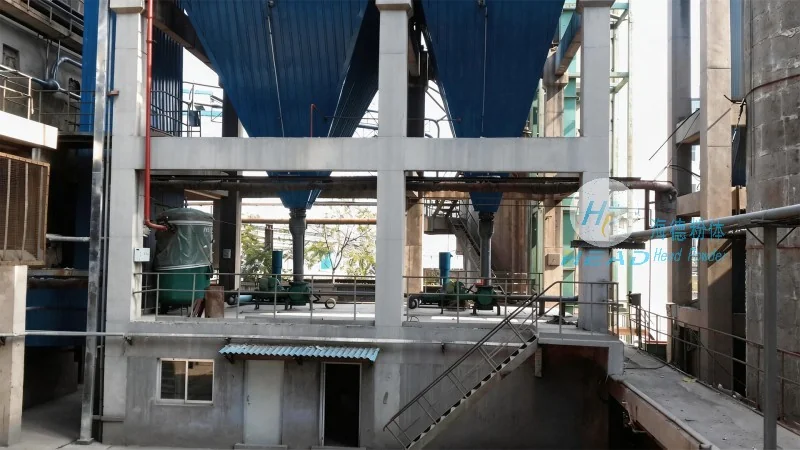
Understanding the Core Principle of Pneumatic Conveying Systems
The pneumatic conveying line for river sand operates on the principle of transporting solid particles through a pipeline using a gas stream, typically air or a mixture of air and other gases. The system comprises several critical components, including a material feed hopper, a conveying pipeline, a pressure or vacuum source (such as a blower or vacuum pump), and a discharge unit. As river sand is introduced into the hopper, it is drawn into the pipeline by the moving air stream, which lifts and transports the material to the desired destination. This method eliminates the need for mechanical components like belts or buckets, reducing maintenance requirements and enhancing safety in material handling operations.
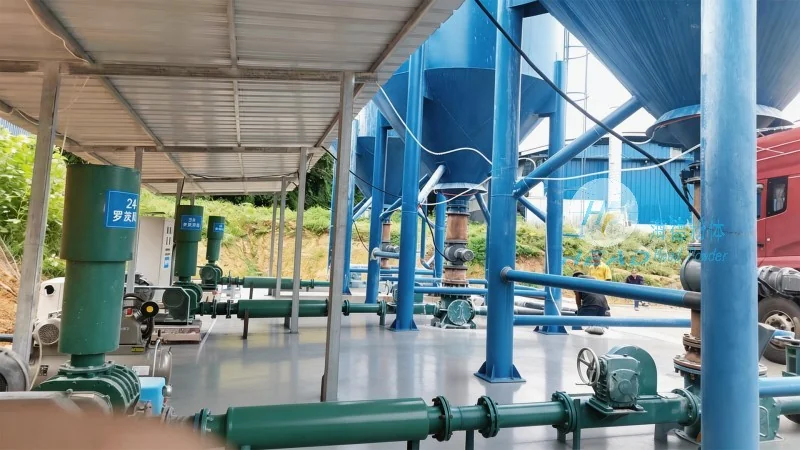
Key Working Scene Characteristics of River Sand Pneumatic Conveying Lines
The operational characteristics of river sand pneumatic conveying lines are tailored to meet the specific demands of industrial environments. These systems are designed to handle high volumes of bulk material with minimal downtime, making them ideal for continuous production processes. The flexibility of pneumatic conveying allows for the integration of multiple feeding and discharge points, enabling complex material flow paths within a facility. Additionally, the system's ability to transport materials over long distances without the need for intermediate storage or handling points streamlines production workflows and improves overall efficiency.
Advantages in Material Handling and Process Integration
One of the primary advantages of using pneumatic conveying lines for river sand is the reduction in material degradation and contamination. Unlike mechanical systems that may cause abrasion or mixing with foreign substances, pneumatic transport maintains the integrity of the sand, which is crucial for applications requiring high purity. The system also offers better control over material flow rates, allowing for precise dosing and integration with other processing equipment. Furthermore, the compact design of these lines minimizes floor space requirements, making them suitable for both new construction and retrofitting into existing industrial setups.
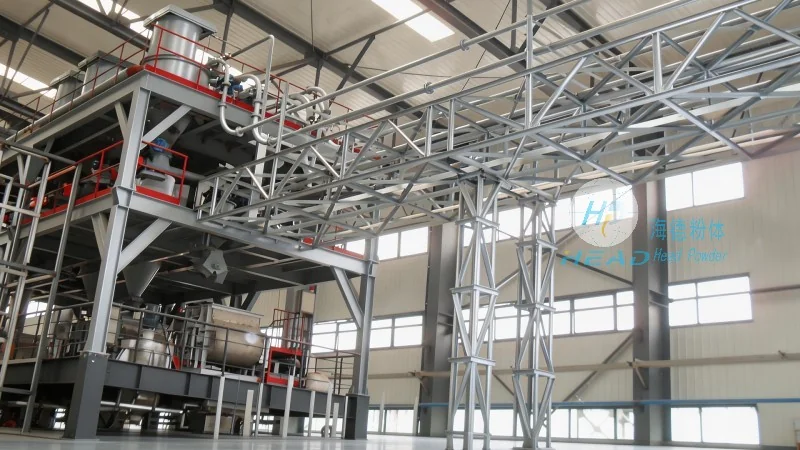
Application Scenarios and Industry Relevance
River sand pneumatic conveying lines are widely used in construction material production, where large quantities of sand are required for concrete mixing and other building applications. The systems are also employed in mining operations to transport sand from extraction sites to processing facilities. In addition, they are utilized in glass manufacturing and other industries that rely on consistent and efficient sand supply. The adaptability of these systems to different operational conditions, such as varying material moisture content or particle size, further enhances their applicability across diverse industrial sectors.




