For industries dealing with grass and similar bulk materials, efficient material handling is crucial for operational efficiency and cost management. The pneumatic conveying line, a key technology in material transport, offers a solution that combines simplicity, reliability, and adaptability. This article explores the fundamental principles behind grass material pneumatic conveying systems and highlights the distinct working scene characteristics that define their application in various industrial settings.
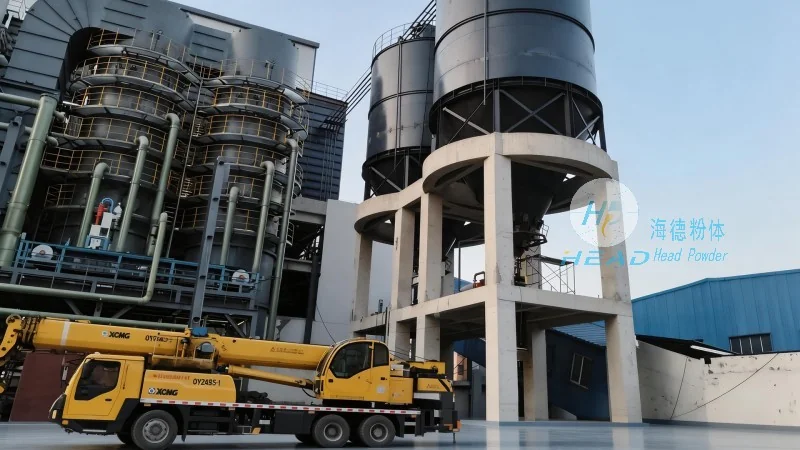
Understanding the Core Principle of Pneumatic Conveying for Grass Materials
The pneumatic conveying system operates on the principle of transporting bulk materials through a pipeline using air or gas as the conveying medium. In the case of grass materials, which are typically lightweight and have a certain degree of moisture content, the system leverages air pressure to move the material from the source to the destination. The process involves several key components: a material feeder, a conveying line, a separator or filter, and a discharge device. The material is first fed into the system, often through a hopper or a rotary valve, and then mixed with the air stream. As the air flows through the pipeline, it carries the grass particles along, ensuring a continuous and controlled transport. The system can be either positive pressure (where air is blown into the line) or negative pressure (where air is sucked out), with the choice depending on the material characteristics, distance, and system design. The efficiency of the conveying process is influenced by factors such as air velocity, material density, and the design of the conveying line, all of which are optimized to ensure minimal material degradation and maximum throughput.
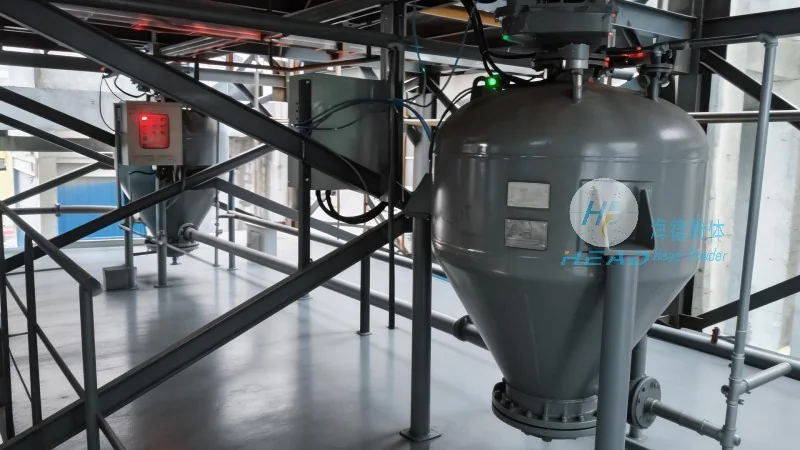
Key Working Scene Characteristics of Grass Material Pneumatic Conveying Lines
The application of pneumatic conveying lines for grass materials is characterized by several unique features that set them apart from other material handling systems. First, the system is highly suitable for handling materials with high moisture content or those that are prone to clumping, as the air flow helps to break up agglomerates and maintain a consistent particle size. This is particularly important in agricultural and feed processing industries where the quality of the material is critical. Second, the conveying line is designed to minimize material loss and contamination, which is essential for maintaining product purity. The use of sealed pipelines and efficient separation systems ensures that the material remains clean and free from external contaminants. Third, the system offers flexibility in terms of layout and integration with existing production lines. It can be installed in various configurations, including vertical, horizontal, or a combination of both, to suit the spatial constraints of the facility. This adaptability makes it a preferred choice for both new installations and retrofitting in existing plants. Fourth, the operational cost is relatively low compared to other bulk material handling methods, as it eliminates the need for mechanical components like conveyors or elevators that require regular maintenance and higher energy consumption. The energy efficiency of the pneumatic system, especially when optimized for air flow and pressure, contributes to long-term cost savings.
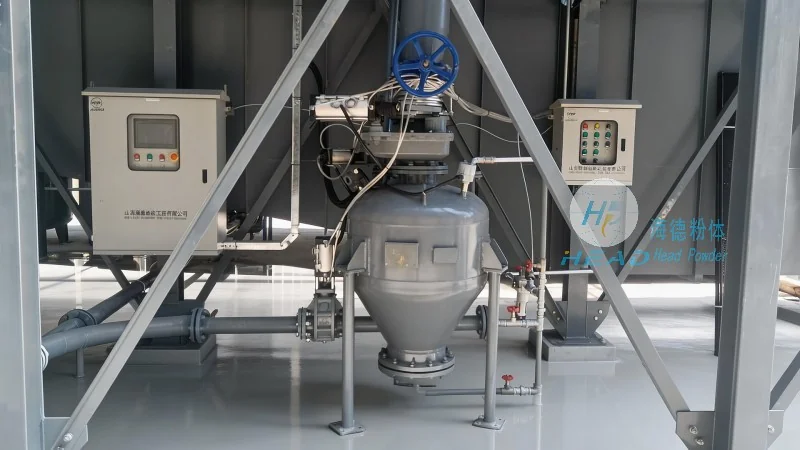
Industrial Applications and Performance in Different Environments
Grass material pneumatic conveying lines are widely used in various industrial applications where the handling of bulk materials is a core operation. In the agricultural sector, these systems are commonly employed in feed mills and grain processing plants to transport hay, straw, and other forage materials from storage to processing equipment. The ability to handle large volumes of material quickly and efficiently supports the high throughput required in these facilities. In the animal feed industry, the system is crucial for moving raw materials like grass silage or dried grass to mixing and pelletizing units, ensuring a consistent feed composition. The reliability of the pneumatic conveying line in these environments is vital, as any downtime can disrupt the entire production process. Additionally, in the biofuel and renewable energy sectors, grass materials are processed into pellets or briquettes, and the conveying line plays a key role in transporting the processed material to storage or packaging areas. The system's ability to handle both raw and processed materials makes it versatile for different stages of the production cycle. In terms of performance, the system typically achieves high conveying rates, often ranging from several tons per hour to over 100 tons per hour, depending on the system design and the material properties. The efficiency of the conveying process is measured by the specific energy consumption, which is the energy required to transport a unit weight of material over a given distance. Modern pneumatic conveying systems have improved significantly in terms of energy efficiency, with some designs achieving specific energy consumption as low as 0.5 kWh per ton-km, making them an environmentally friendly option for material handling.
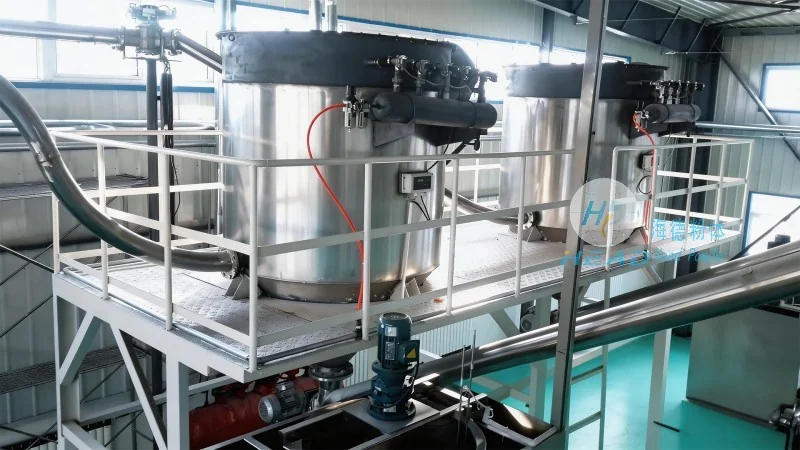
Design Considerations and Customization for Optimal Performance
The successful implementation of a grass material pneumatic conveying line requires careful consideration of several design factors to ensure optimal performance and longevity. First, the material of construction is critical, as grass materials can be abrasive and may contain moisture that can cause corrosion. Stainless steel or corrosion-resistant alloys are commonly used for the conveying line and components to withstand the harsh conditions. Second, the system design must account for the material's flow properties, including its bulk density, angle of repose, and cohesive forces. These properties determine the air velocity required to maintain a stable flow and prevent blockages. Engineers use computational fluid dynamics (CFD) and empirical formulas to calculate the optimal air velocity and pressure for the specific material. Third, the system must include appropriate cleaning and maintenance features to prevent material buildup and ensure consistent operation. This includes features such as automatic cleaning cycles, inspection ports, and easy access to components for maintenance. Fourth, the integration with other equipment, such as feeders, mixers, and storage silos, is essential for a seamless production process. The conveying line must be designed to interface with these components without causing bottlenecks or inefficiencies. Customization is a key aspect of the system, as each application has unique requirements. For example, in a feed mill, the system may need to handle different types of grass materials with varying moisture levels, requiring adjustable air flow and pressure settings. In a biofuel plant, the system may need to transport processed pellets with a different density and flow behavior, necessitating a different conveying line design. The ability to customize the system ensures that it meets the specific needs of the end-user and maximizes its performance.




