HeadPowder, a leading provider in the field of material handling solutions, specializes in the design, manufacturing, and installation of advanced pneumatic conveying systems. This article focuses on the principle and working scene characteristics of mica sand material pneumatic conveying lines, highlighting the technical aspects and practical applications of such systems.
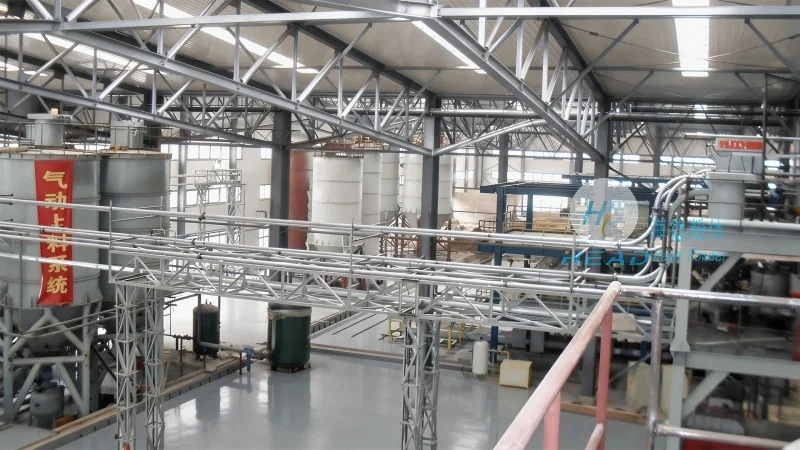
Introduction to Mica Sand Material Pneumatic Conveying Lines
Mica sand, a natural mineral with high luster and specific physical properties, is widely used in various industries including construction, cosmetics, and electronics. The efficient and reliable transportation of mica sand from storage to processing units is crucial for maintaining production efficiency and product quality. Pneumatic conveying lines offer a non-contact, dust-free, and flexible method for handling mica sand, making them an ideal solution for modern industrial applications.
The Principle of Pneumatic Conveying for Mica Sand
The core principle of mica sand pneumatic conveying lines is the use of compressed air to transport solid particles through a pipeline. The system typically consists of a blower, a hopper for material storage, a conveying line, and a receiver for the discharged material. When the blower generates a high-pressure air stream, it draws mica sand from the hopper into the pipeline, where the air and sand mixture travels to the receiver. The air then escapes through a filter, while the mica sand is deposited in the receiver. This process eliminates the need for mechanical components like belts or buckets, reducing maintenance and operational costs.
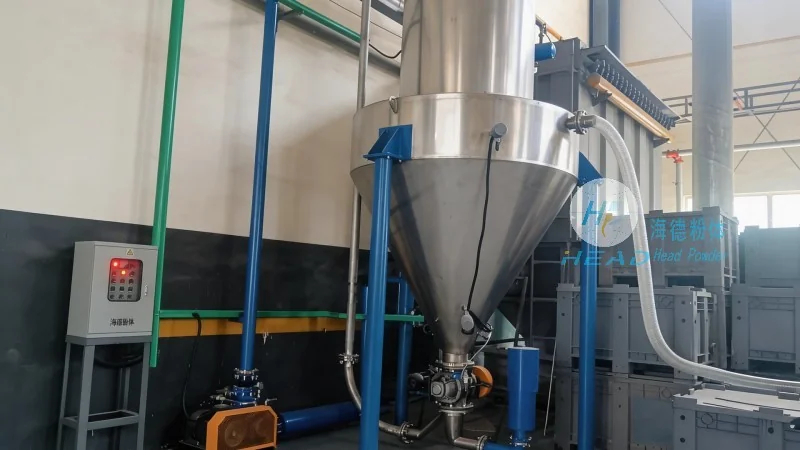
Key Components and Their Functions
Several critical components ensure the smooth operation of mica sand pneumatic conveying lines. The blower is responsible for generating the necessary air pressure and flow rate. The hopper, often equipped with a feeder, controls the material feed rate to maintain a consistent flow. The conveying line, usually made of stainless steel or other corrosion-resistant materials, is designed to handle the abrasive nature of mica sand. The receiver, with a dust collection system, collects the conveyed material and prevents air leakage. Additionally, filters and silencers are used to manage air quality and noise levels.
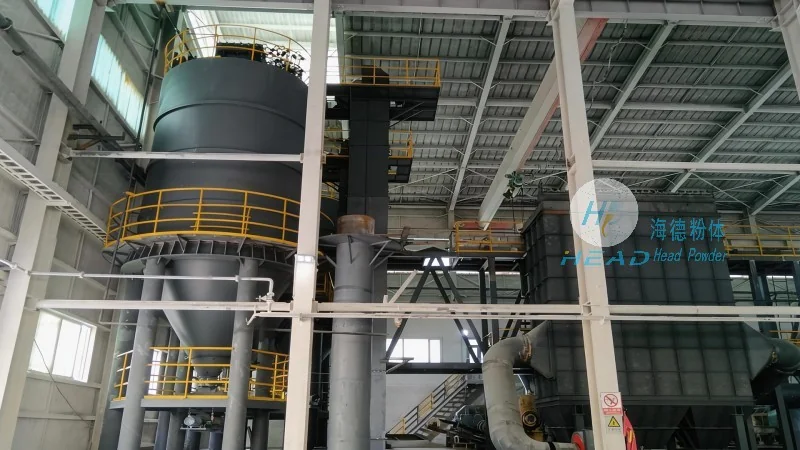
Working Scene Characteristics of Mica Sand Pneumatic Conveying Lines
The working scene characteristics of mica sand pneumatic conveying lines are tailored to meet the specific requirements of industrial environments. These systems are designed to operate in both indoor and outdoor settings, with the ability to handle varying material quantities and flow rates. The flexibility of pneumatic conveying allows for easy integration with existing production lines, enabling seamless material transfer between different processing stages. Moreover, the non-contact nature of the system minimizes material contamination, which is particularly important for high-purity applications such as cosmetics or electronics manufacturing.
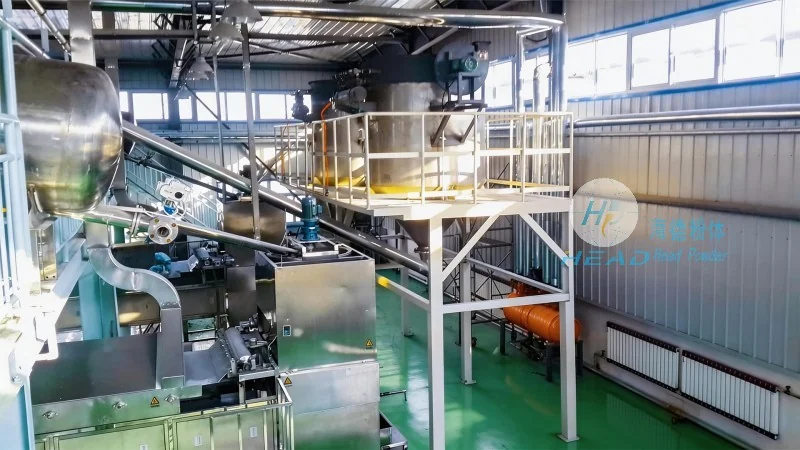
Advantages and Applications
Mica sand pneumatic conveying lines offer numerous advantages over traditional mechanical conveying methods. These include reduced labor costs, lower maintenance requirements, and improved safety due to the absence of moving parts. The system is also highly efficient in terms of energy consumption and can handle a wide range of particle sizes and densities. In practical applications, these systems are used in mica sand processing plants, where they transport raw mica sand from storage silos to grinding and sorting equipment. They are also employed in cosmetic manufacturing facilities, where the clean and dust-free conveying process ensures the quality of final products.
Conclusion
HeadPowder's expertise in designing and implementing mica sand material pneumatic conveying lines demonstrates the effectiveness of this technology in modern industrial settings. By understanding the principle and working scene characteristics of such systems, industries can optimize their material handling processes, enhance productivity, and maintain product quality. With a commitment to quality and innovation, HeadPowder continues to provide reliable solutions for the efficient transportation of mica sand and other similar materials.




