Barium sulfate, a widely used industrial material, often requires efficient and reliable transportation systems to meet production demands. The pneumatic conveying line for barium sulfate material, as a key component in material handling, offers a solution that combines advanced technology with practical application. This article delves into the principle of operation and the specific characteristics of working scenes for such systems, providing a comprehensive overview for industry professionals. Shandong HeadPowder Engineering Co., Ltd., a leading manufacturer in the field, has extensive experience in developing customized pneumatic conveying solutions tailored to the unique needs of industries that utilize barium sulfate.
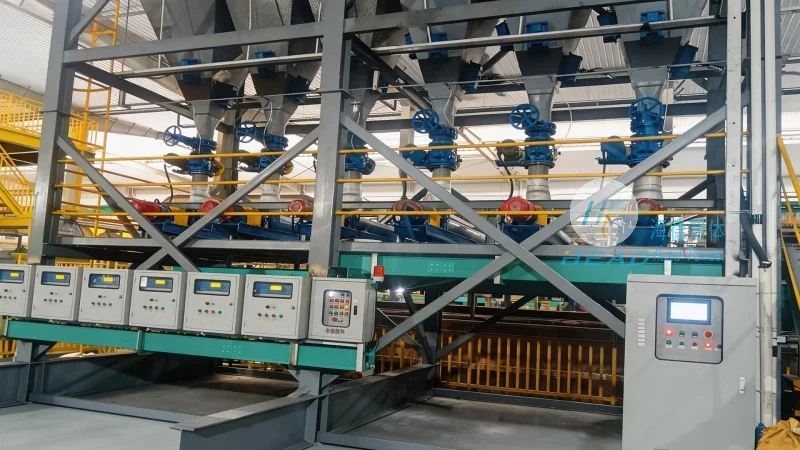
Introduction to Barium Sulfate Pneumatic Conveying Systems
Barium sulfate, commonly known as barium white, is a white crystalline solid with excellent whiteness and high chemical stability. It is widely used in industries such as paint, coatings, plastics, rubber, and pharmaceuticals. The traditional methods of barium sulfate transportation, like manual handling or mechanical conveyors, often face challenges in terms of efficiency, safety, and environmental impact. Pneumatic conveying systems provide a more advanced alternative, enabling the safe and efficient transfer of barium sulfate from storage to processing units. These systems are designed to handle the material's abrasive properties and maintain a clean, dust-free environment, which is critical for downstream applications.
The Working Principle of Pneumatic Conveying Lines
The core principle of pneumatic conveying for barium sulfate involves the use of compressed air to transport the material through a pipeline. The system typically consists of a blower or air compressor, a hopper for material storage, a feeder to control the flow rate, and a pipeline network that guides the material to the destination. The process begins with the material being fed into the hopper, where it is then drawn into the pipeline by the pressure difference created by the compressed air. As the air flows through the pipeline, it carries the barium sulfate particles along, ensuring a continuous and controlled flow. There are two main types of pneumatic conveying systems: dilute-phase and dense-phase. Dilute-phase systems operate at higher air velocities, typically transporting material in a suspended state, which is suitable for long-distance or high-volume applications. Dense-phase systems, on the other hand, use lower air velocities and higher material concentrations, often employing pulse or pressure control to maintain a stable flow. For barium sulfate, the choice between these systems depends on factors such as the material's properties, the distance to be covered, and the required flow rate.
Key Components and Their Functions
Several critical components make up a pneumatic conveying line for barium sulfate, each playing a vital role in ensuring the system's efficiency and reliability. The blower or air compressor is responsible for generating the necessary air pressure and flow rate. The hopper, usually equipped with a discharge valve, stores the barium sulfate and provides a controlled feed to the system. The feeder, which can be a rotary valve or a screw feeder, regulates the material flow into the pipeline, preventing blockages and ensuring consistent operation. The pipeline itself, often made of stainless steel or other corrosion-resistant materials, is designed to withstand the abrasive nature of barium sulfate particles and maintain airtightness to prevent material loss or contamination. Additionally, the system may include filters and cyclones to separate the material from the air stream, ensuring that the air is clean and can be reused or discharged safely.
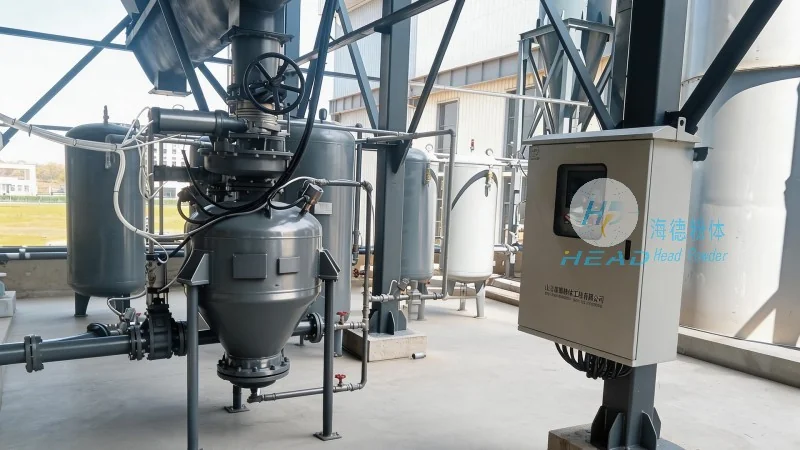
Working Scene Characteristics and Application Scenarios
The working scene characteristics of barium sulfate pneumatic conveying lines vary based on the specific application and operational environment. In industrial settings, such as paint and coating factories, the system is often integrated into a production line, where barium sulfate is transported from a storage silo to a mixing or grinding unit. The key characteristics in this scenario include high material flow rates, precise control over the material's moisture content, and the need for minimal dust generation to maintain a clean working environment. The system must also be capable of handling the material's tendency to agglomerate, which may require additional equipment like vibrators or agitators to ensure smooth flow.
In pharmaceutical applications, the pneumatic conveying system must meet stringent hygiene and safety standards. The pipeline and components are typically made of food-grade materials, and the system is designed to prevent cross-contamination. The working scene may involve transporting barium sulfate from a bulk storage area to a tablet or capsule production line, where the material is used as a filler or coating agent. The system's ability to maintain a sterile environment and control particle size is crucial in this context. Additionally, the system must comply with regulatory requirements for material handling in pharmaceutical manufacturing, ensuring that all components are easy to clean and sanitize.
In the rubber and plastic industries, barium sulfate is used as a reinforcing filler to improve the material's hardness and durability. The pneumatic conveying line in this application may need to handle larger particles or higher material loads, requiring a more robust system design. The working scene often involves transporting the material from a bulk bag or silo to an extrusion or mixing machine, where it is incorporated into the final product. The system's efficiency in handling abrasive materials and its ability to maintain consistent flow rates are essential for achieving high-quality end products. The design of the pipeline and feeder must be optimized to prevent material buildup and ensure that the filler is evenly distributed throughout the product.
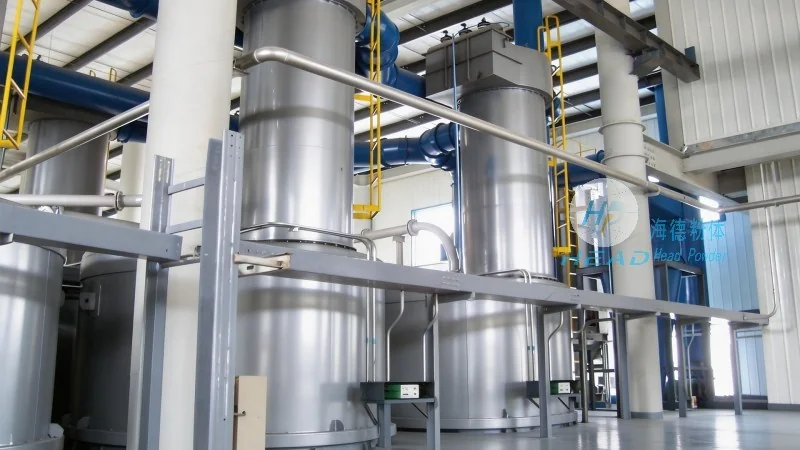
Advantages and Considerations for Barium Sulfate Pneumatic Conveying
Pneumatic conveying systems for barium sulfate offer several advantages over traditional transportation methods. These include improved safety, as the material is contained within the pipeline, reducing the risk of dust exposure and accidents. The system also provides better environmental control, as it minimizes material loss and dust emissions. Additionally, pneumatic conveying allows for greater flexibility in system layout, enabling the integration of multiple processing units and facilitating the automation of material handling processes. The ability to transport material over long distances without the need for intermediate transfer points also contributes to increased operational efficiency.
However, there are also considerations to keep in mind when implementing such systems. The cost of equipment and installation can be higher compared to mechanical conveyors, and the system requires regular maintenance to ensure optimal performance. The choice of system type (dilute-phase or dense-phase) and the design of the pipeline and components must be carefully evaluated based on the specific application requirements to achieve the best results. For example, in applications where the material is highly abrasive or has a tendency to agglomerate, a dense-phase system with appropriate pulse control may be more suitable to prevent blockages and ensure smooth operation. The system's energy consumption is another factor to consider, as higher air velocities in dilute-phase systems can increase operational costs.
Conclusion
Barium sulfate pneumatic conveying lines represent an advanced solution for the efficient and safe transportation of this critical industrial material. By understanding the working principle, key components, and application scenarios, industry professionals can make informed decisions about implementing such systems in their operations. The combination of technology and practical design ensures that these systems meet the demands of various industries, from paint and coatings to pharmaceuticals and rubber manufacturing. As the demand for barium sulfate continues to grow, the importance of reliable material handling systems like pneumatic conveying lines becomes increasingly evident, contributing to improved productivity and operational efficiency. Shandong HeadPowder Engineering Co., Ltd. remains committed to providing innovative and customized solutions that address the evolving needs of industries relying on barium sulfate, ensuring that material handling processes are both effective and sustainable.




