HeadPowder, a leading enterprise in the field of material handling solutions, specializes in the design, manufacturing, and installation of pneumatic conveying systems for soda ash. This article provides a detailed overview of the operation process and working principle of soda ash pneumatic conveying, highlighting the key components, operational steps, and technical aspects that ensure efficient and reliable material transport.
Understanding Soda Ash Pneumatic Conveying Systems
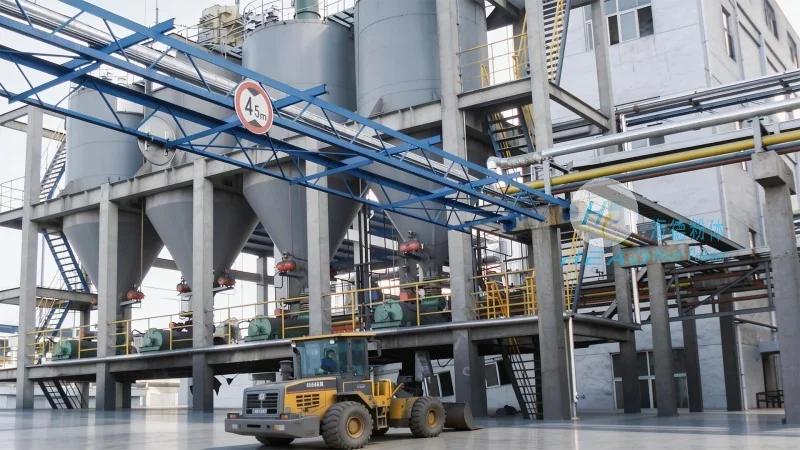
Soda ash, also known as sodium carbonate, is a widely used chemical in various industries, including glass manufacturing, water treatment, and chemical production. Pneumatic conveying is a method of transporting bulk materials like soda ash through a pipeline using air or other gas as the conveying medium. This technology offers several advantages over traditional mechanical conveying methods, such as reduced equipment wear, lower maintenance costs, and improved safety by eliminating the need for manual handling of bulk materials.
Key Components of a Soda Ash Pneumatic Conveying System
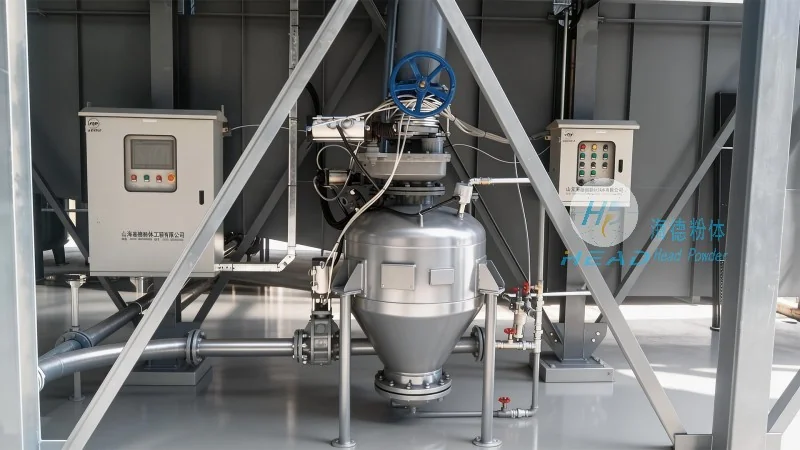
The core components of a soda ash pneumatic conveying system include the material feeder, the conveying pipeline, the air compressor or blower, the control system, and the discharge equipment. Each component plays a crucial role in the overall operation of the system. The material feeder is responsible for feeding the soda ash into the pipeline at a controlled rate, ensuring a consistent flow of material. The conveying pipeline is typically made of stainless steel or other corrosion-resistant materials to handle the chemical properties of soda ash. The air compressor or blower generates the necessary air pressure to move the material through the pipeline. The control system monitors and regulates the flow of material and air, ensuring optimal performance. The discharge equipment, such as a rotary valve or a dust collector, collects the soda ash at the end of the pipeline.
The Operation Process of Soda Ash Pneumatic Conveying
The operation process of a soda ash pneumatic conveying system involves several sequential steps. First, the soda ash is fed into the material feeder from a storage silo or hopper. The feeder then meters the material into the conveying pipeline at a controlled rate. Simultaneously, the air compressor or blower generates the required air pressure, which is introduced into the pipeline. The air and material mixture travels through the pipeline, with the air providing the necessary force to move the material. The conveying system can operate in either positive pressure or negative pressure mode, depending on the application and system design. In positive pressure mode, the air is forced into the pipeline, pushing the material forward. In negative pressure mode, the air is drawn out of the pipeline, creating a vacuum that pulls the material. The material is then discharged at the receiving end of the pipeline, where it is collected in a storage bin or processing equipment.
Working Principle of Soda Ash Pneumatic Conveying
The working principle of a soda ash pneumatic conveying system is based on the interaction between the material particles and the air flow. The air flow creates a drag force on the material particles, which overcomes the gravitational force and allows the material to be transported through the pipeline. The velocity of the air flow is critical, as it must be sufficient to keep the material particles suspended and moving. The system's design, including the pipeline diameter, the air flow rate, and the material feed rate, must be optimized to ensure efficient and reliable operation. The use of appropriate air velocities and pipeline dimensions helps to minimize material degradation, reduce pressure drop, and prevent blockages in the system.
Advantages of Soda Ash Pneumatic Conveying
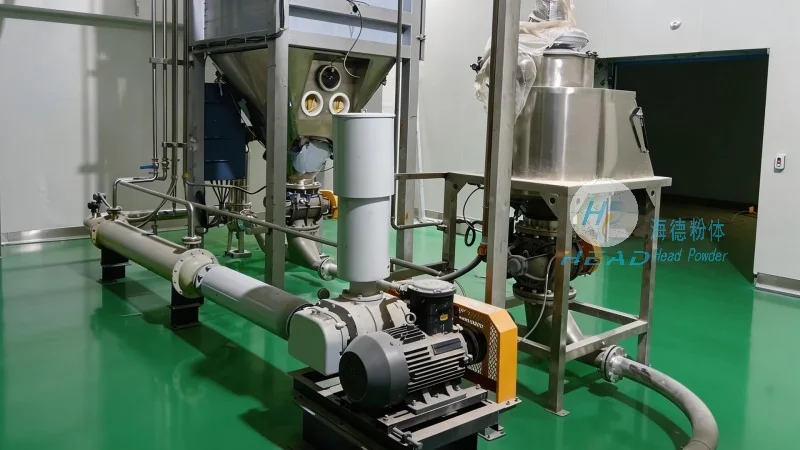
Pneumatic conveying systems for soda ash offer several advantages over traditional mechanical conveying methods. These include reduced equipment wear and lower maintenance costs, as there are no moving parts in direct contact with the material. The system also provides improved safety by eliminating the need for manual handling of bulk materials, reducing the risk of accidents and exposure to dust. Additionally, pneumatic conveying systems can be designed to handle a wide range of material properties, including different particle sizes, moisture content, and chemical compositions. The flexibility of the system allows for easy integration with existing production lines and can be customized to meet specific application requirements.
Applications of Soda Ash Pneumatic Conveying
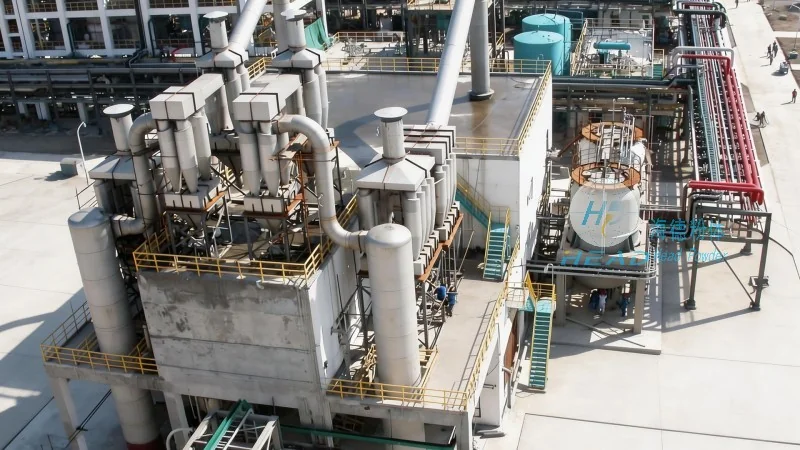
Soda ash pneumatic conveying systems are widely used in various industries due to their efficiency and reliability. In the glass manufacturing industry, soda ash is used as a raw material to produce glass, and pneumatic conveying systems are used to transport the material from storage to the glass furnace. In the water treatment industry, soda ash is used to adjust the pH of water, and pneumatic conveying systems are used to transport the material to the treatment plants. In the chemical production industry, soda ash is used as an intermediate in the production of other chemicals, and pneumatic conveying systems are used to transport the material between production stages.
Conclusion
HeadPowder Engineering Co., Ltd., based in Shandong, China, is a leading provider of pneumatic conveying systems for soda ash and other bulk materials. The company's expertise in the design and manufacturing of efficient and reliable conveying systems ensures that clients receive high-quality solutions tailored to their specific needs. By understanding the operation process and working principle of soda ash pneumatic conveying, businesses can optimize their material handling processes, improve productivity, and reduce operational costs. HeadPowder continues to innovate and provide advanced material handling solutions to meet the evolving needs of the industry.




