Metallurgical coke, a vital raw material in the iron and steel industry, demands efficient and reliable transportation solutions to support seamless production workflows. Pneumatic conveying systems have become a preferred method for handling metallurgical coke due to their ability to transport bulk materials over extended distances with minimal maintenance and environmental impact. This article provides a comprehensive overview of the operation process and working principle of such systems, detailing key components, operational steps, and technical advantages they offer.
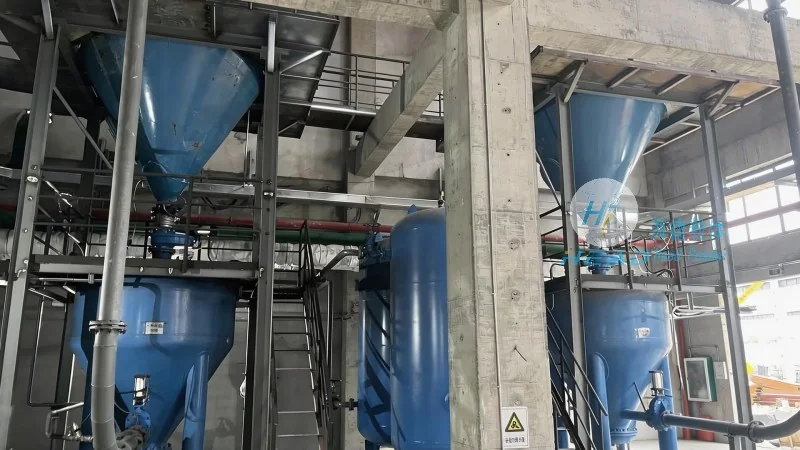
Key Components of a Metallurgical Coke Pneumatic Conveying System
A typical pneumatic conveying system for metallurgical coke comprises several essential elements that collaborate to achieve effective material transport. These components include the material feed hopper, which stores and regulates the flow of coke into the system; the air compressor or blower, which generates the necessary air pressure to move the material; the conveying pipeline, which transports the coke from the source to the destination; and the discharge hopper or silo, where the material is collected. Additional accessories such as filters, cyclones, and pressure relief valves are often integrated to ensure safe and efficient operation.
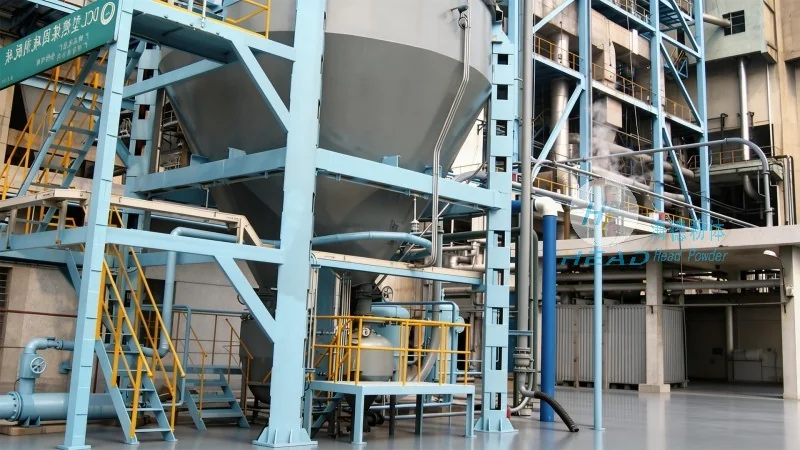
Working Principle of Pneumatic Conveying
The fundamental working principle of a pneumatic conveying system involves using compressed air to create a flow that propels metallurgical coke particles through the pipeline. When the air compressor operates, it generates high-pressure air that is introduced into the conveying pipeline. The coke particles are then introduced into the pipeline, either by gravity or through a feeding mechanism, and are entrained by the moving air stream. This process, known as pneumatic transport, allows the coke to be moved without direct physical contact with the pipeline walls, reducing wear and minimizing the risk of material degradation.
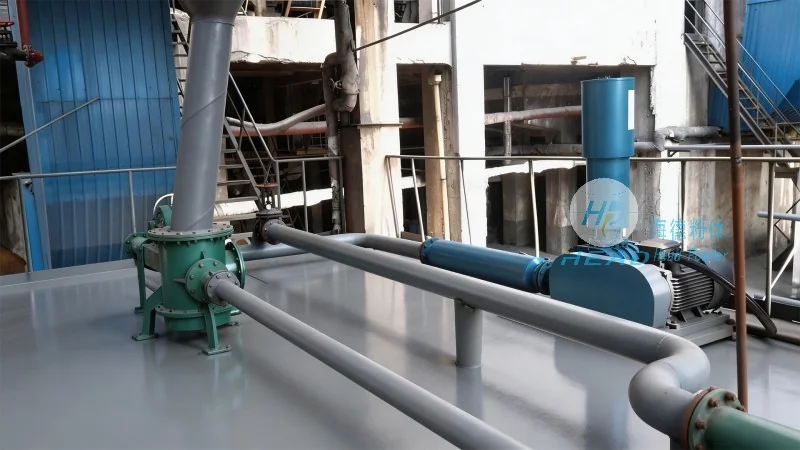
Operation Process of a Metallurgical Coke Pneumatic Conveying System
The operation process of a metallurgical coke pneumatic conveying system is structured into sequential steps. First, the coke is loaded into the material feed hopper. The hopper is equipped with a feeding mechanism, such as a rotary valve or screw feeder, which controls the material flow rate. Next, the air compressor is activated, and compressed air is supplied to the conveying pipeline. The air pressure is adjusted to an appropriate level to ensure efficient transport of the coke particles. As the air flows through the pipeline, the coke is carried along, moving from the source location to the discharge point. The discharge hopper at the receiving end collects the coke, and the system continues to operate as long as the material feed and air supply are maintained. The entire process is automated and can be remotely controlled, allowing for precise regulation of the material flow rate and air pressure.
Advantages of Pneumatic Conveying for Metallurgical Coke
Pneumatic conveying systems offer several advantages over traditional methods like belt conveyors or truck transport for metallurgical coke. These advantages include reduced labor costs due to automated operation, lower maintenance requirements as there are fewer moving parts, and improved safety as the system operates in enclosed pipelines, minimizing dust emissions and spillage risks. Additionally, pneumatic conveying enables the transport of coke over long distances with minimal energy consumption compared to other methods, making it an economically viable solution for industrial applications.
Conclusion
In conclusion, the operation process and working principle of metallurgical coke pneumatic conveying systems are designed to provide efficient, reliable, and safe transportation of bulk materials. By understanding the key components and operational steps, industries can leverage these systems to enhance their production processes and reduce operational costs. With the expertise of companies like Shandong HeadPowder Engineering Co., Ltd., based in China, advanced pneumatic conveying solutions are available to meet the specific needs of metallurgical coke handling applications.




