Foundry sand, a critical material in the casting industry, requires efficient and reliable handling to ensure smooth production processes. Pneumatic conveying systems have emerged as a preferred solution for transporting foundry sand due to their ability to handle abrasive materials while maintaining low maintenance costs and high operational efficiency. This article delves into the operation process and working principle of such systems, highlighting the key components and the seamless workflow involved.
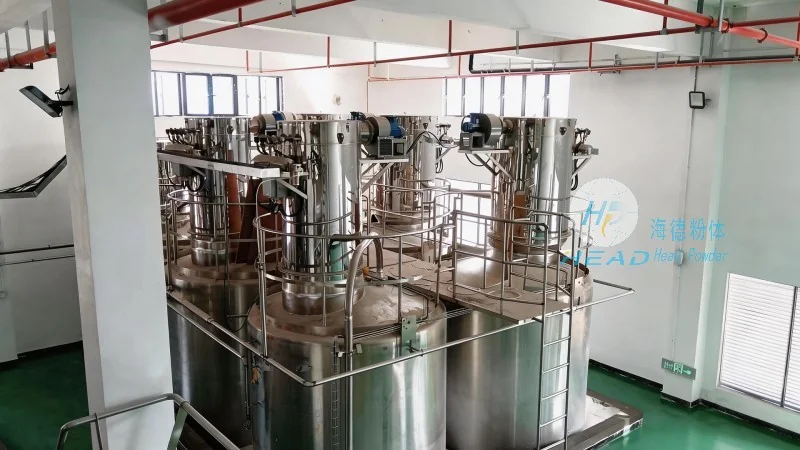
Introduction to Foundry Sand Pneumatic Conveying Systems
Foundry sand, often used in metal casting processes, is characterized by its abrasive nature and varying particle sizes. Traditional methods like belt conveyors or bucket elevators may struggle with these characteristics, leading to wear and tear and reduced system lifespan. Pneumatic conveying systems, on the other hand, utilize air pressure to move materials through a network of pipes, offering a more gentle and efficient method of transport. The system is designed to handle the unique challenges posed by foundry sand, ensuring consistent performance and minimal downtime.
Key Components of a Pneumatic Conveying System for Foundry Sand
The effectiveness of a foundry sand pneumatic conveying system relies on several critical components that work in tandem to achieve optimal performance. These components include the hopper, which serves as the material storage and feeding unit; the air compressor, responsible for generating the necessary air pressure; the conveying line, which transports the sand; and the receiver, where the material is deposited. Each component plays a vital role in the overall operation, and their proper integration is essential for the system's success.
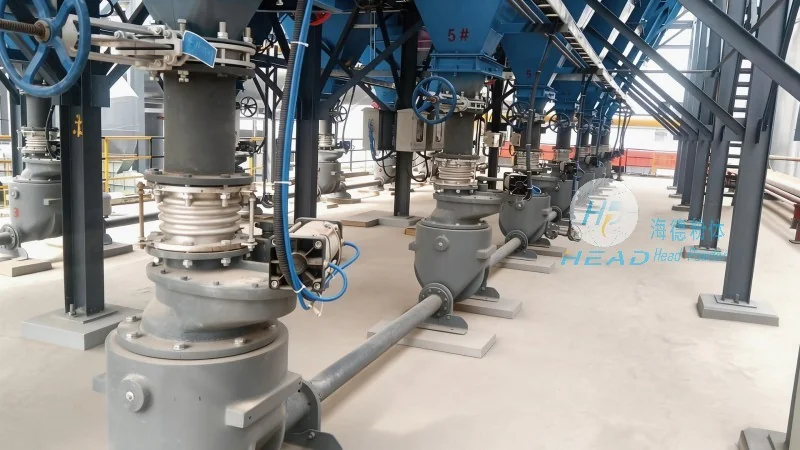
Working Principle of the Pneumatic Conveying Process
The working principle of a foundry sand pneumatic conveying system is based on the creation of a low-pressure or high-pressure air stream within the conveying line. The process typically begins with the material being fed from the hopper into the system. As the air compressor generates compressed air, it is introduced into the conveying line, creating a flow that draws the sand particles along with it. The air velocity is carefully controlled to ensure that the sand is carried without causing excessive wear on the system components. The material is then transported to the receiver, where the air is released and the sand is deposited. This cycle repeats continuously, allowing for a steady and reliable supply of foundry sand to the casting production line.
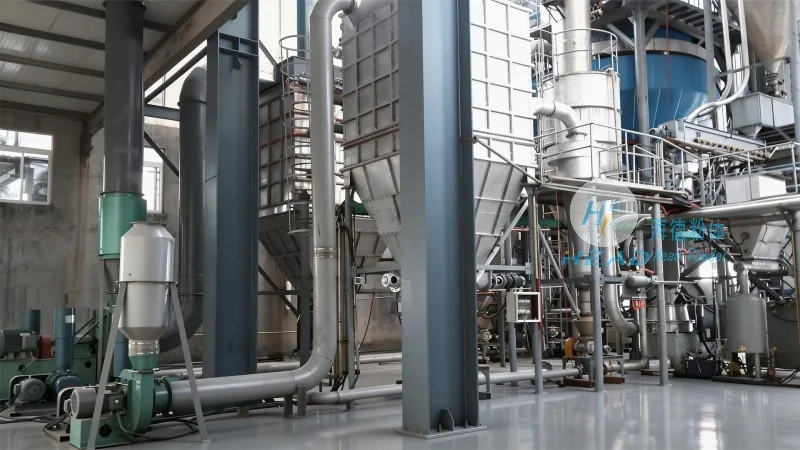
Operation Process: From Material Loading to Discharge
The operation process of a foundry sand pneumatic conveying system involves several sequential steps that ensure the smooth flow of material. Initially, the foundry sand is loaded into the hopper, which is equipped with a feeding mechanism to regulate the flow rate. The air compressor then starts, generating the required air pressure to initiate the conveying process. As the air flows through the system, it pulls the sand particles from the hopper and transports them through the conveying line to the receiver. The receiver is designed to collect the sand and may include a dust collection system to maintain air quality. The entire process is automated, with sensors and controls monitoring the system's performance to ensure consistent operation and prevent any potential issues.
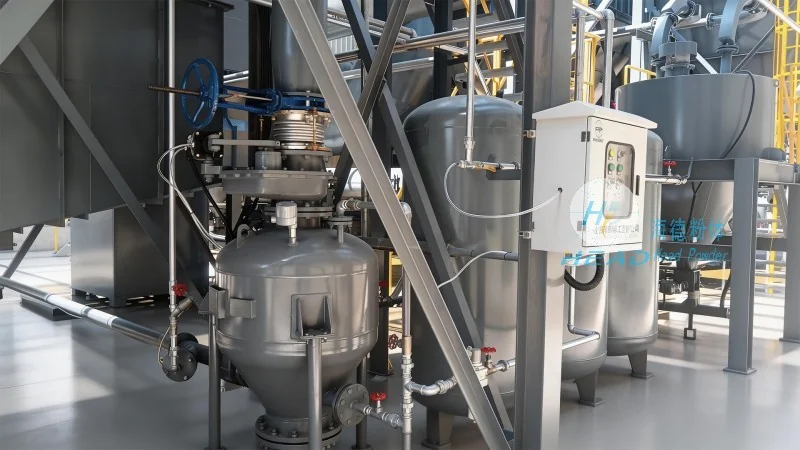
Advantages of Using Pneumatic Conveying for Foundry Sand
Implementing a pneumatic conveying system for foundry sand offers numerous advantages over traditional handling methods. One of the primary benefits is the reduction in wear and tear on equipment, as the system uses air to transport the abrasive material rather than mechanical contact. This leads to lower maintenance costs and longer equipment lifespan. Additionally, pneumatic conveying systems can handle a wide range of particle sizes and densities, making them versatile for various foundry applications. The system also provides a dust-free environment, improving workplace safety and reducing the risk of respiratory issues for workers. Furthermore, the ability to control the flow rate and pressure allows for precise material handling, ensuring that the casting process receives the exact amount of sand needed.
Conclusion and Company Overview
Foundry sand pneumatic conveying systems are essential for modern casting operations, offering a reliable and efficient method of material transport. The operation process, which involves the coordinated action of key components and a controlled air flow, ensures that foundry sand is handled safely and effectively. Companies like Shandong HeadPowder Engineering Co., Ltd., based in China, specialize in designing and manufacturing such systems, leveraging their expertise to meet the unique needs of the foundry industry. With a focus on durability, efficiency, and user-friendly operation, these systems contribute significantly to the productivity and sustainability of casting facilities worldwide.




