For industrial applications requiring the efficient and safe handling of magnesium powder, pneumatic conveying systems offer a reliable solution. These systems are designed to transport bulk materials like magnesium powder through a pipeline using air or other gas as the conveying medium. The technology is widely used in various industries due to its ability to minimize dust exposure, reduce material degradation, and enhance operational safety compared to traditional mechanical conveying methods.
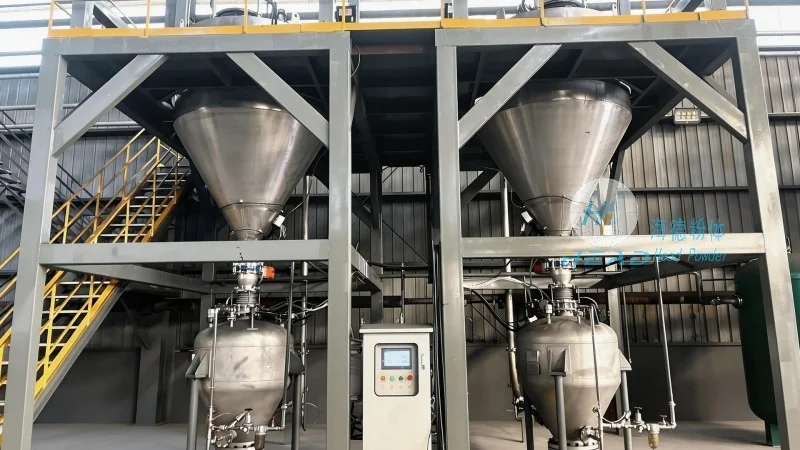
Key Components of a Magnesium Powder Pneumatic Conveying Machine
The magnesium powder pneumatic conveying machine typically consists of several critical components that work in tandem to ensure smooth operation. These include the hopper for material storage, a feeder to control the flow rate, a conveying line (often equipped with bends and filters), a dust collector to capture any airborne particles, and a discharge device at the end of the line. Each component plays a vital role in maintaining the integrity of the magnesium powder and ensuring efficient transport.
Operation Process of the Magnesium Powder Pneumatic Conveying Machine
The operation process begins with the loading of magnesium powder into the hopper. The feeder then regulates the flow of powder into the conveying line, where it is mixed with air or gas under controlled pressure. As the mixture travels through the pipeline, the air flow propels the powder particles forward, overcoming resistance and ensuring consistent movement. At the receiving end, the powder is discharged into a container or processing unit, while the air is filtered and recycled back into the system to maintain energy efficiency.
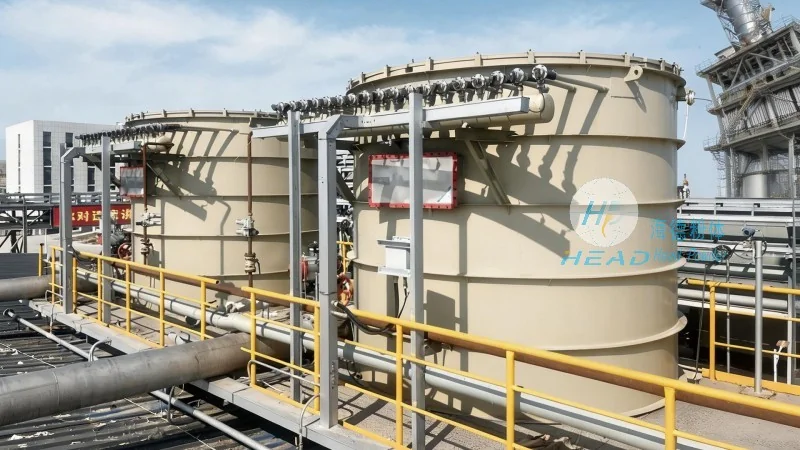
Working Principle of the Magnesium Powder Pneumatic Conveying Machine
The working principle of the magnesium powder pneumatic conveying machine is based on the fundamental concept of fluidization and pneumatic transport. When air is introduced into the conveying line at a sufficient velocity, it creates a low-pressure zone that draws the magnesium powder particles into the flow. This process, known as pneumatic conveying, relies on the balance between the air velocity and the particle size and density of the magnesium powder. The system is designed to maintain a stable flow rate, preventing issues such as clogging or excessive pressure drops that could affect performance.
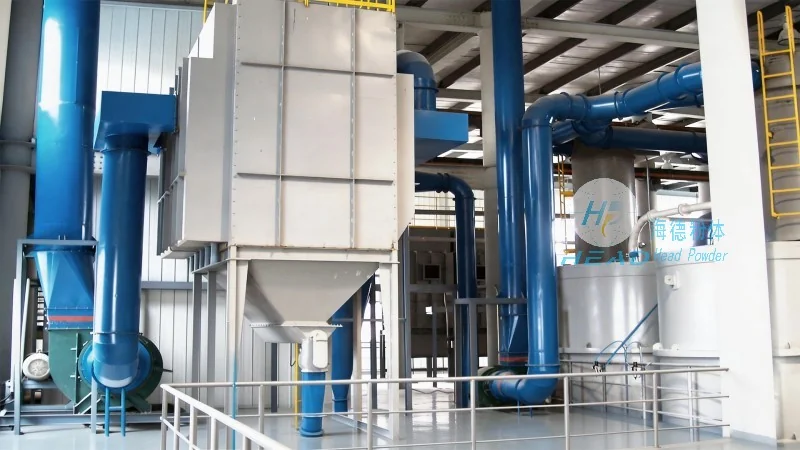
Advantages of Using Magnesium Powder Pneumatic Conveying Machines
Employing a magnesium powder pneumatic conveying machine offers several advantages for industrial operations. These include improved safety by reducing direct contact with the powder, enhanced product quality by minimizing contamination and degradation, and increased operational efficiency through automated control systems. Additionally, the system can be scaled to accommodate varying production volumes, making it adaptable to different manufacturing needs. The use of headpowder's engineering solutions ensures that these benefits are optimized for specific magnesium powder handling requirements.
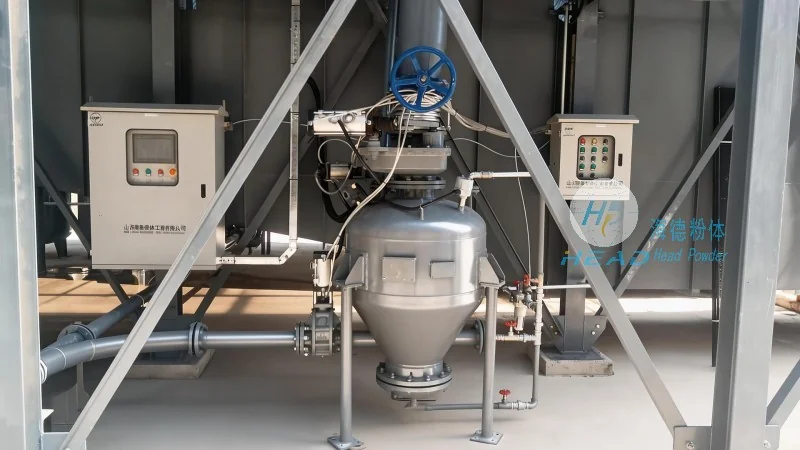
Application Examples in Industrial Settings
Magnesium powder pneumatic conveying machines are commonly used in industries such as aerospace, automotive, and chemical manufacturing. For instance, in aerospace, they are used to transport magnesium powder for the production of lightweight components, where material purity and consistency are critical. In automotive manufacturing, the system helps in the efficient handling of magnesium powder used in casting processes, ensuring uniform distribution and reducing waste. The versatility of the system makes it suitable for a wide range of applications where the safe and efficient transport of magnesium powder is essential.
Conclusion and Company Information
Overall, the magnesium powder pneumatic conveying machine is a sophisticated and efficient solution for handling magnesium powder in industrial settings. By leveraging pneumatic transport technology, these systems provide reliable performance, enhanced safety, and improved product quality. Shandong HeadPowder Engineering Co., Ltd., with its expertise in engineering and manufacturing, offers tailored solutions that meet the specific needs of clients. Based in China, the company is committed to delivering high-quality equipment that supports the efficient operation of magnesium powder handling processes.




