PTA (Polyethylene Terephthalate Acid) is a critical raw material in the production of polyester fibers and resins. The efficient handling and transportation of PTA powder are essential for industrial processes, and pneumatic conveying systems have become a reliable solution. This article explores the operation process and working principle of PTA pneumatic conveying machines, detailing the technical aspects and operational efficiency of such equipment.
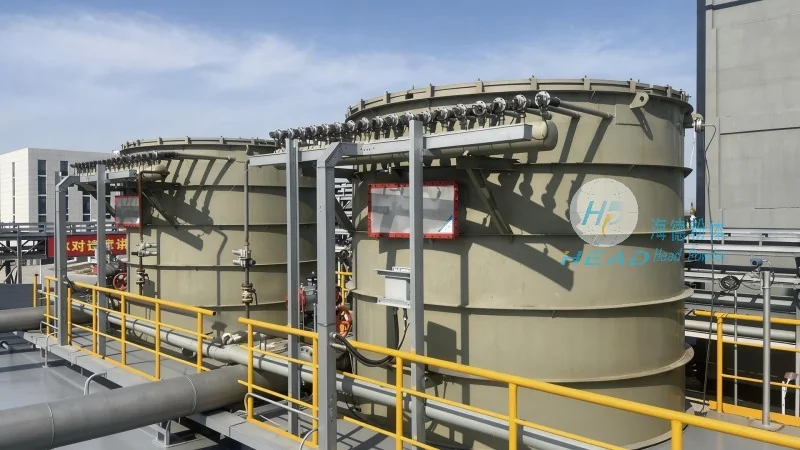
Company Overview: Shandong HeadPowder Engineering Co., Ltd.
HeadPowder, a leading manufacturer in powder handling technology, specializes in designing and manufacturing advanced pneumatic conveying systems. With a strong commitment to quality and innovation, the company has established itself as a trusted partner for industries requiring reliable powder transport solutions. HeadPowder’s expertise lies in developing customized solutions that meet specific client needs, ensuring optimal performance and durability in demanding industrial environments. The company is headquartered in Shandong, China, where it operates research and development centers and manufacturing facilities.
Key Components of PTA Pneumatic Conveying Systems
PTA pneumatic conveying systems typically consist of several key components that work together to achieve efficient powder transport. These components include the hopper (for material storage), the conveying line (usually made of stainless steel or other corrosion-resistant materials to handle PTA’s chemical properties), the air supply system (providing necessary pressure and air flow), and the control system (regulating the entire operation). Each component plays a critical role in ensuring smooth and safe operation of the conveying process.
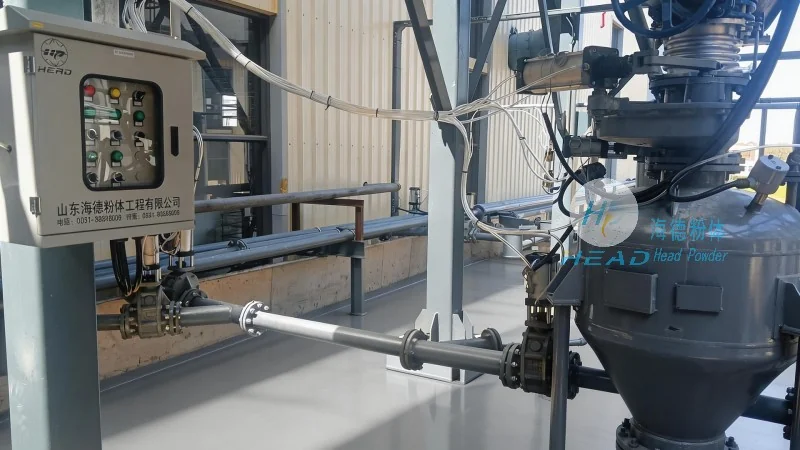
Working Principle of PTA Pneumatic Conveying
The working principle of PTA pneumatic conveying involves using compressed air to move powder particles through the conveying line. When air is introduced into the hopper, it creates a low-pressure zone that draws PTA powder into the conveying line. The air then propels the powder particles forward, maintaining a consistent flow rate. The system can operate in either positive or negative pressure modes, depending on the application and material characteristics. Positive pressure systems are used for long-distance or high-volume transport, while negative pressure systems are suitable for dust control and environmental compliance.
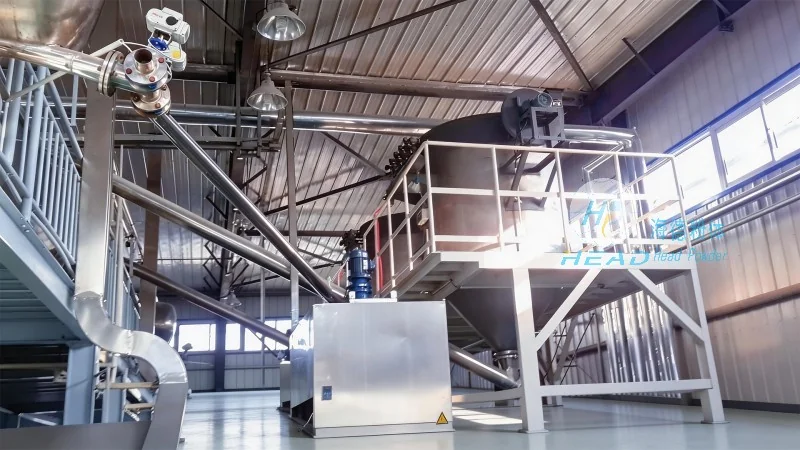
Operation Process of PTA Pneumatic Conveying
The operation process of PTA pneumatic conveying involves sequential steps to ensure efficient material movement from the source to the destination. First, PTA powder is loaded into the hopper, where it is stored and prepared for transport. The control system then initiates the air supply, starting the conveying process. As air flows through the conveying line, it carries the powder particles to the receiving hopper or storage tank. The system continuously monitors flow rate and pressure to maintain optimal performance. In case of disruptions like blockages or pressure fluctuations, the control system automatically adjusts air flow or stops operation to prevent equipment damage. This automation ensures reliability and safety.
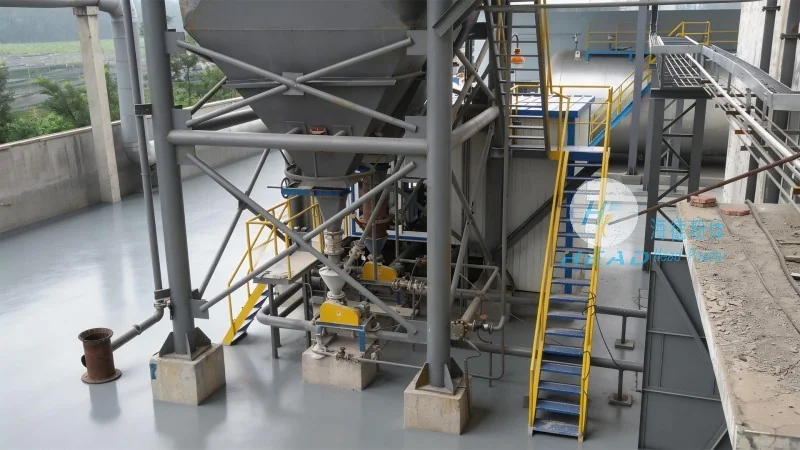
Advantages of PTA Pneumatic Conveying Equipment
PTA pneumatic conveying systems offer advantages over traditional mechanical methods. These include reduced material degradation from minimal equipment contact, improved safety by eliminating manual powder handling, and enhanced flexibility in system layout and material transport. The systems handle a wide range of particle sizes and moisture contents, suitable for various industrial applications. Stainless steel components provide corrosion resistance, essential for handling PTA, a potentially corrosive material.
Customization and Application Scope
HeadPowder provides customized PTA pneumatic conveying solutions tailored to client needs. Engineers work with clients to understand operational requirements, material characteristics, and production capacities, designing systems that maximize efficiency and minimize downtime. Applications include material transfer between processing units, storage handling in warehouses, and integration with downstream production lines. Whether for small or large-scale operations, HeadPowder’s systems meet modern industrial production demands.




