Gypsum powder, a fundamental material in construction and industrial applications, requires efficient and reliable conveying systems to ensure seamless production flow. The operation process and working principle of gypsum powder conveying are critical for optimizing industrial processes, maintaining product quality, and enhancing overall operational efficiency. This article provides a detailed exploration of the technical aspects and practical applications of gypsum powder handling, with a focus on the expertise of Shandong HeadPowder Engineering Co., Ltd., a leading provider in the field.
Introduction to Gypsum Powder Conveying Systems
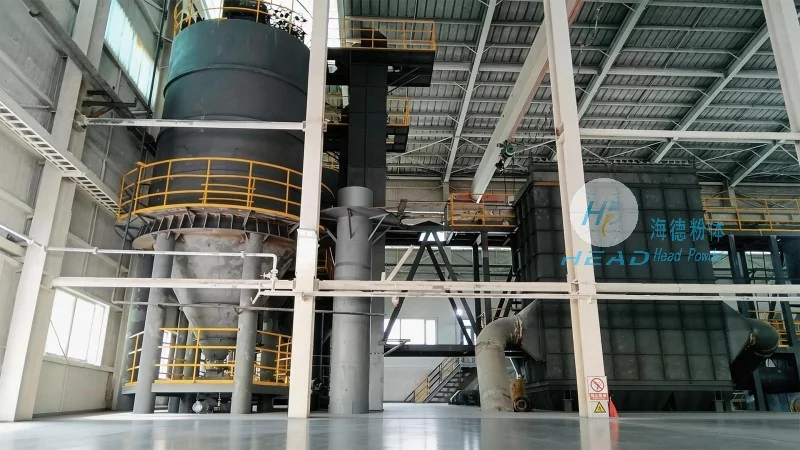
Gypsum powder, derived from natural gypsum rock through calcination and grinding, is widely used in the production of plaster, drywall, and other building materials. The efficient transportation of this fine powder from storage silos to processing units or packaging areas is essential for meeting production demands and maintaining product consistency. Conveying systems for gypsum powder must address challenges such as dust generation, material flow uniformity, and system reliability to comply with industrial standards and ensure safe operation.
Company Overview: Shandong HeadPowder Engineering Co., Ltd.
HeadPowder, the professional brand under Shandong HeadPowder Engineering Co., Ltd., specializes in the design, manufacturing, and installation of advanced powder handling systems. With a strong operational base in Shandong province, China, the company leverages decades of industry experience to deliver customized solutions tailored to the unique needs of gypsum processing facilities. The company’s commitment to quality, innovation, and customer satisfaction has established it as a trusted partner for businesses seeking reliable gypsum powder conveying solutions.
The Core Components of Gypsum Powder Conveying Systems
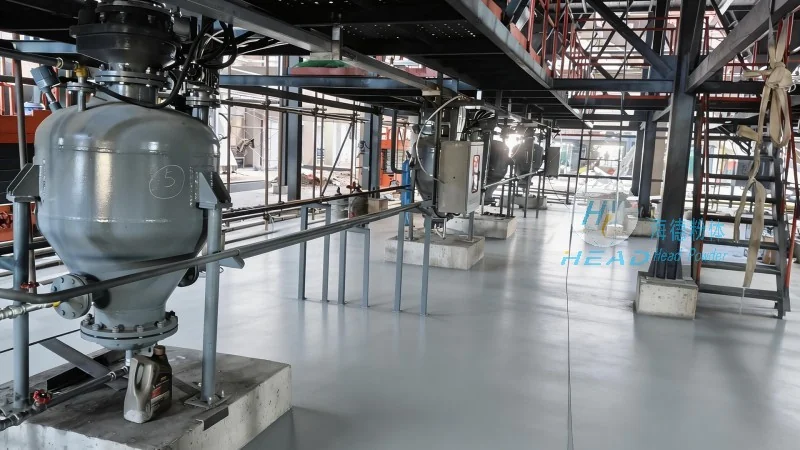
Gypsum powder conveying systems typically consist of several key components that work in coordination to ensure efficient material transport. These components include storage silos, feeders, conveying equipment (such as pneumatic or mechanical conveyors), and control systems. Each component plays a critical role in maintaining the integrity of the gypsum powder and ensuring smooth operation throughout the process.
Operation Process of Gypsum Powder Conveying
The operation process of gypsum powder conveying begins with the storage of raw gypsum in large, airtight silos. The gypsum is then fed from the silo into a feeder, which regulates the flow rate to match the processing requirements. The feeder may use mechanisms like rotary valves or vibratory feeders to control the material discharge, ensuring a consistent and controlled flow. From the feeder, the gypsum powder is conveyed to the processing unit or packaging area using either pneumatic or mechanical systems. Pneumatic conveyors utilize compressed air to move the powder through pipelines, while mechanical conveyors rely on screw, belt, or bucket elevators to transport the material. The conveying system must maintain consistent pressure and flow to prevent blockages and ensure uniform material distribution across the production line.
Working Principle of Gypsum Powder Conveying Systems
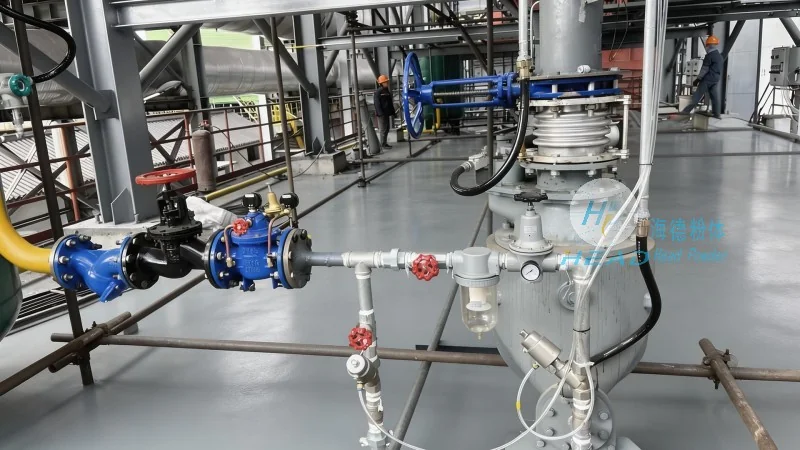
The working principle of gypsum powder conveying systems is based on the physics of material flow and air dynamics. For pneumatic conveying, the system uses compressed air to create a flow that transports the powder particles through the pipeline. The air velocity must be sufficient to overcome the gravitational force and frictional resistance of the powder, ensuring that the material moves smoothly without settling or clogging. Mechanical conveyors, on the other hand, rely on mechanical force to move the powder, such as the rotation of screws or the movement of belts. The design of the conveying equipment, including the size of the pipelines, the speed of the conveyor, and the angle of inclination, is critical to achieving optimal performance and preventing material degradation.
Key Considerations for Gypsum Powder Conveying
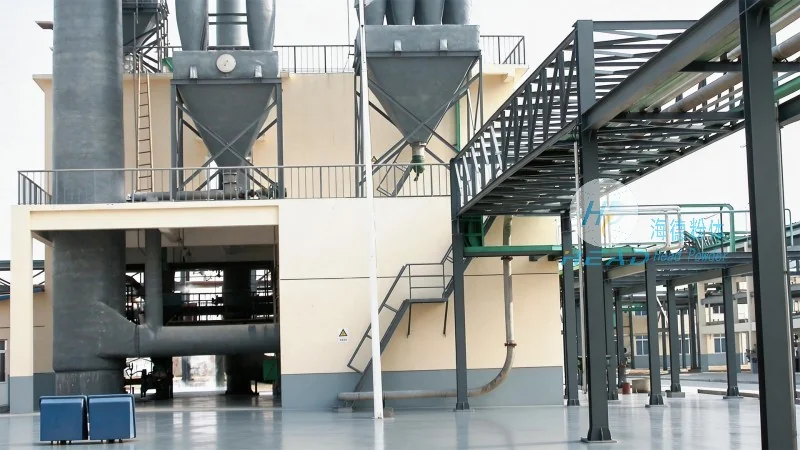
When designing and operating gypsum powder conveying systems, several factors must be considered to ensure efficiency and safety. These include the particle size and density of the gypsum powder, which affect the flow characteristics and conveying requirements. The system must also be equipped with dust control measures to prevent airborne contamination and protect personnel from respiratory hazards. Additionally, the control system should provide real-time monitoring of flow rates, pressure, and other parameters to allow for quick adjustments and predictive maintenance, minimizing downtime and operational costs.
Conclusion
Gypsum powder conveying is a critical process in the production of gypsum-based products, and the efficiency of the conveying system directly impacts overall production efficiency and product quality. By understanding the operation process and working principles of these systems, industries can optimize their operations and ensure reliable material handling. Shandong HeadPowder Engineering Co., Ltd., with its expertise in powder handling technology, offers comprehensive solutions to meet the diverse needs of gypsum processing facilities, helping businesses achieve higher productivity, operational reliability, and compliance with industry standards. The company’s commitment to innovation and customer-centric solutions positions it as a leading provider in the gypsum powder conveying sector.




