Desulfurizer powder conveying systems are critical components in industrial processes, particularly in power plants and chemical facilities where sulfur removal is essential for environmental compliance and operational efficiency. The efficient handling of desulfurizer powders, such as limestone or other absorbents, ensures smooth operation of flue gas desulfurization (FGD) systems. This article provides a detailed overview of the operation process and working principles of these systems, highlighting key components, operational steps, and the importance of proper design and maintenance. The information is presented by Shandong HeadPowder Engineering Co., Ltd., a leading manufacturer specializing in powder handling solutions for industrial applications.
Key Components of Desulfurizer Powder Conveying Systems
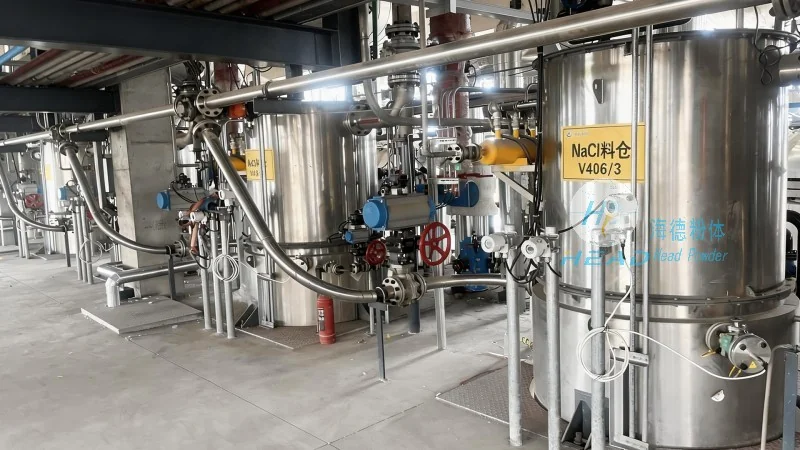
The desulfurizer powder conveying system typically consists of several interconnected components that work together to transport the powder from storage to the point of use. The main components include:
1. Storage Silos or Hoppers: These are large containers that store the desulfurizer powder, ensuring a consistent supply. The design of the silo, including its shape and internal lining, is crucial to prevent material buildup and ensure uniform flow.
2. Pneumatic Conveying Equipment: This includes devices like rotary air locks, feeders, and conveying lines that use air pressure to move the powder. Pneumatic systems are widely used due to their ability to handle fine powders and minimize dust emissions.
3. Control Systems: Automated control systems monitor and regulate the flow of powder, ensuring that the correct amount is delivered to the desulfurization reactor. These systems may include sensors for level, pressure, and flow rate, as well as programmable logic controllers (PLCs) for process control.
4. Transfer Points and Ductwork: These components facilitate the movement of the powder between different parts of the system, such as from the storage silo to the feeder and then to the reactor. Proper design of the ductwork is essential to prevent blockages and maintain consistent flow rates.
Operation Process of Desulfurizer Powder Conveying
The operation process of a desulfurizer powder conveying system involves several sequential steps, each designed to ensure the efficient and safe transport of the powder. The process typically begins with the preparation of the powder in the storage silo:
1. Powder Preparation: The desulfurizer powder is stored in the silo, where it may be pre-mixed or conditioned to improve flow characteristics. This step may involve adding moisture or other additives to prevent caking and ensure consistent particle size.
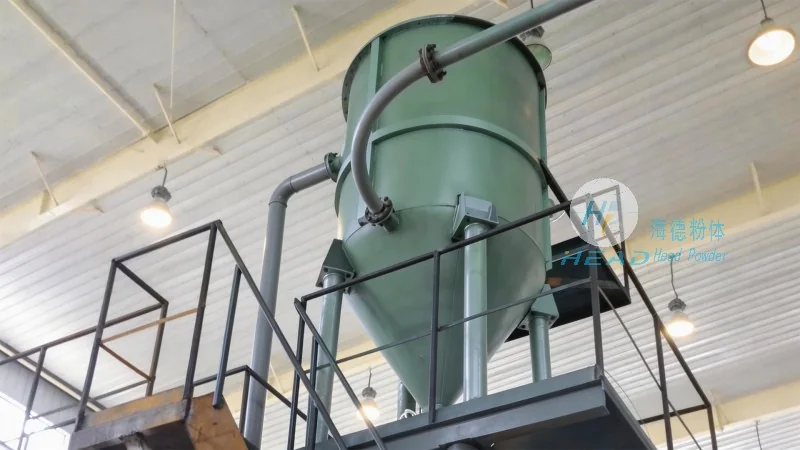
2. Powder Extraction: The powder is extracted from the silo using a feeder, such as a rotary valve or a screw feeder. The feeder controls the flow rate of the powder, ensuring that it is delivered at the required rate to the conveying system.
3. Pneumatic Conveying: The extracted powder is mixed with air and transported through the conveying lines. The air pressure and flow rate are carefully controlled to maintain a consistent velocity and prevent particle segregation or blockages.
4. Delivery to the Desulfurization Reactor: The powder is delivered to the FGD reactor, where it reacts with sulfur dioxide (SO₂) in the flue gas to form calcium sulfite or calcium sulfate. The system ensures that the correct amount of powder is added to achieve the desired sulfur removal efficiency.
Working Principles of Desulfurizer Powder Conveying
The working principles of desulfurizer powder conveying systems are based on the physics of fluidization and pneumatic transport. The key principles include:
1. Fluidization: The powder is suspended in a stream of air, creating a fluid-like mixture. This allows the powder to be transported through the conveying lines without the need for mechanical components that might cause wear or blockages.
2. Pressure Drop and Flow Rate: The pressure drop across the conveying system is a critical parameter that determines the flow rate of the powder. Proper design of the system ensures that the pressure drop is within the optimal range to maintain consistent flow without excessive energy consumption.
3. Particle Size and Density: The size and density of the powder particles affect the conveying characteristics. Fine powders require higher air velocities to maintain fluidization, while larger particles may settle more quickly and require different conveying methods.
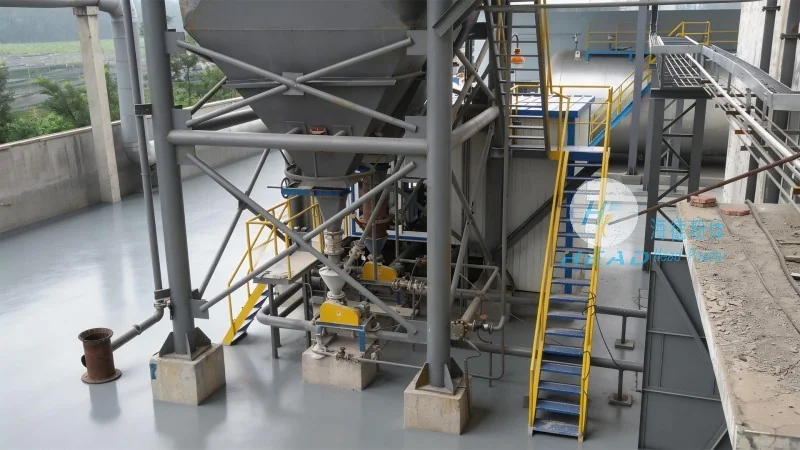
4. Prevention of Blockages: The system is designed with features such as rotary air locks and pulse jets to prevent blockages in the conveying lines. These devices ensure that the powder flows continuously and that any buildup is cleared efficiently.
Importance of Proper Design and Maintenance
Proper design and regular maintenance of desulfurizer powder conveying systems are essential to ensure reliable operation and maximize the efficiency of the desulfurization process. Key considerations include:
1. Material Selection: The components of the system, such as the silo, ductwork, and feeders, must be made of materials that are resistant to corrosion and wear from the desulfurizer powder. Stainless steel and special alloys are commonly used to ensure long-term durability.
2. System Sizing: The system must be sized appropriately to handle the required flow rate and pressure drop. Over-sizing or under-sizing can lead to inefficiencies, increased energy consumption, or system failures.
3. Maintenance Procedures: Regular maintenance, including cleaning of the silo, inspection of the feeder and conveying lines, and replacement of worn parts, is crucial to prevent blockages and ensure consistent performance.
4. Monitoring and Control: Continuous monitoring of the system's performance, including flow rate, pressure, and level, allows for early detection of issues and timely corrective actions.
Conclusion
Desulfurizer powder conveying systems play a vital role in the operation of flue gas desulfurization processes, ensuring the efficient removal of sulfur from industrial emissions. Understanding the operation process and working principles of these systems is essential for optimizing performance, reducing maintenance costs, and complying with environmental regulations. By following best practices in system design, operation, and maintenance, industrial facilities can ensure reliable and efficient desulfurization, contributing to a cleaner environment and sustainable industrial operations.




