Glutinous rice powder is a fundamental ingredient in numerous traditional and contemporary food products, demanding efficient and reliable handling systems to preserve quality and consistency. The bulk conveying line engineered by Shandong HeadPowder Engineering Co., Ltd. is specifically tailored to address the unique challenges of transporting this fine powder, offering a robust solution for food processing facilities. This article details the operation process and working principle of the glutinous rice powder bulk conveyor line, highlighting its key components, operational steps, and technical aspects that ensure optimal performance.
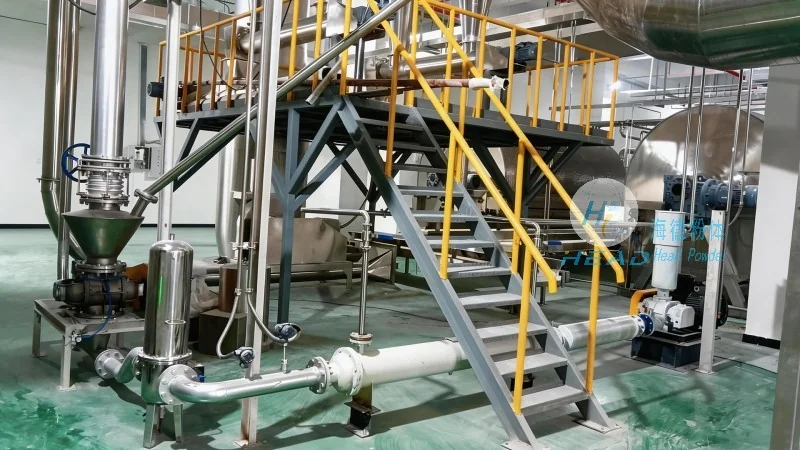
Overview of the Glutinous Rice Powder Bulk Conveyor System
The glutinous rice powder bulk conveyor line is a comprehensive system designed to safely and efficiently transport glutinous rice powder from storage silos or processing areas to packaging or blending stations. It integrates various components, including feeders, conveyors, control panels, and safety devices, all working in unison to maintain the powder's integrity and ensure smooth operation. The system is constructed with food-grade materials to meet industry standards, ensuring the product remains uncontaminated throughout the conveying process.
Key Components and Their Functions
The conveyor line comprises several critical components, each playing a vital role in the overall operation. The primary components include:
- Silo or Hopper Feeders: These devices feed glutinous rice powder from storage silos or hoppers into the conveyor system. They are equipped with adjustable speed controls to regulate flow rate, preventing overloading or underflow that could affect conveyor performance.
- Belt or Screw Conveyors: Depending on the application, the system may use belt conveyors for horizontal or slight incline transport, or screw conveyors for vertical lifting and horizontal movement. These conveyors are designed to handle fine powders without causing excessive friction or particle breakdown.
- Rotary Valves (Airlocks): Airlocks are installed at the discharge end to control powder flow and prevent backflow or dust emissions. They ensure a controlled discharge rate, maintaining system pressure balance and protecting the environment from dust contamination.
- Control Panel and Sensors: The control panel houses electrical and electronic components that monitor and control system operation. Sensors, such as level detectors and flow meters, provide real-time data on powder level and flow rate, enabling operators to adjust system parameters as needed.
- Safety and Maintenance Features: The system incorporates safety features like emergency stop buttons and interlocked guards to protect operators. Regular maintenance points are clearly marked to facilitate routine checks and ensure equipment longevity.
Operation Process: Step-by-Step Guide
The operation of the glutinous rice powder bulk conveyor line follows a systematic process to ensure safe and efficient transport. The steps are as follows:
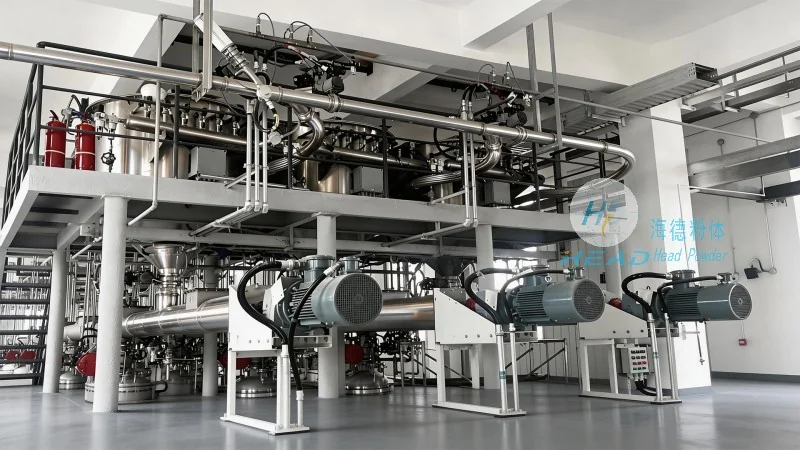
- System Preparation: Before starting, all components are inspected for proper alignment and functionality. The control panel is checked to ensure all settings are at default positions, and the emergency stop button is verified as operational.
- Feeder Adjustment: The silo or hopper feeder is adjusted to the desired flow rate, typically based on production requirements and conveyor capacity. This step ensures consistent powder feeding, preventing surges or gaps in the conveyor belt.
- System Startup: The control panel is activated, and the conveyor system is started sequentially. The screw or belt conveyor begins to move, and the airlock at the discharge end opens to allow powder flow into the next processing stage.
- Monitoring and Adjustment: During operation, sensors provide real-time data on powder level and flow rate. Operators monitor these parameters and adjust feeder or conveyor speed as needed to maintain stable flow. Any deviations are immediately addressed to prevent system overload or underflow.
- System Shutdown: When production is complete, the system is shut down in reverse order. The airlock is closed first to stop flow, followed by the conveyor and feeder. The control panel is reset to default settings, and the system is prepared for the next cycle.
Working Principle: How the System Transfers Glutinous Rice Powder
The working principle of the glutinous rice powder bulk conveyor line is based on mechanical energy transfer and controlled flow management. The system uses a combination of gravity and mechanical force to move the powder from the source to the destination. Here's a detailed breakdown of the process:
1. Powder Transfer from Silo to Conveyor: The glutinous rice powder is stored in a silo or hopper. The feeder at the bottom of the silo regulates flow into the conveyor inlet. The feeder's speed is adjusted to match the conveyor's capacity, ensuring continuous and uniform flow.
2. Movement Along the Conveyor: Once the powder enters the conveyor, it is carried along the belt or screw by rotating components. The conveyor's speed is controlled to maintain correct powder layer thickness, preventing clogging or excessive pressure on the system.
3. Controlled Discharge: At the discharge end, the rotary valve (airlock) acts as a gate, controlling powder release into the next stage. The valve opens and closes based on pressure and flow requirements, ensuring controlled discharge without dust or backflow.
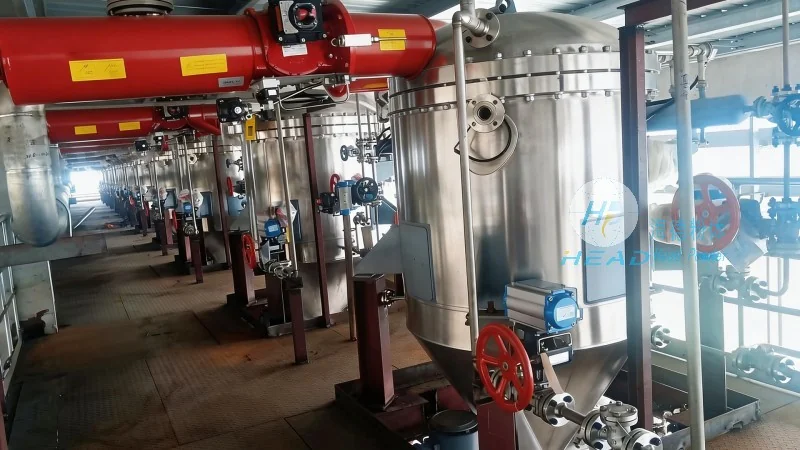
4. System Balance and Safety: Sensors and the control panel continuously monitor system pressure and flow. If abnormal conditions (e.g., blockage or excessive pressure) are detected, the system automatically shuts down or alerts the operator. This safety feature protects equipment and product from damage.
Benefits of Using the Glutinous Rice Powder Bulk Conveyor Line
The glutinous rice powder bulk conveyor line offers several advantages for food processing facilities, including:
- Efficiency and Reliability: The system provides consistent and reliable transport of glutinous rice powder, reducing downtime and increasing production throughput.
- Product Integrity: The design minimizes friction and particle breakdown, preserving the quality and texture of the glutinous rice powder, crucial for maintaining product flavor and appearance.
- Safety and Compliance: The system uses food-grade materials and safety features that comply with industry regulations, ensuring a safe working environment and product quality.
- Easy Maintenance: The modular design and clearly marked maintenance points make routine checks and repairs straightforward, reducing maintenance costs and downtime.
- Customization: The system can be customized to meet specific production requirements, including different conveyor lengths, incline angles, and material handling capacities.
Conclusion
The glutinous rice powder bulk conveyor line from Shandong HeadPowder Engineering Co., Ltd. is a sophisticated and reliable solution for transporting fine powders like glutinous rice powder. By understanding the operation process and working principle, food processing facilities can optimize their production lines, improve product quality, and ensure compliance with industry standards. The system's design, components, and operational steps are carefully engineered to meet the unique demands of handling such delicate powders, making it an essential asset for any food processing operation.




