Iron sand powder conveying machines are essential equipment in industrial settings, particularly for handling iron sand and other fine powders. These machines are designed to efficiently transport materials from one location to another, ensuring smooth and reliable operation. The following content will delve into the operation process and working principle of such machines, providing a comprehensive understanding for users and potential clients.
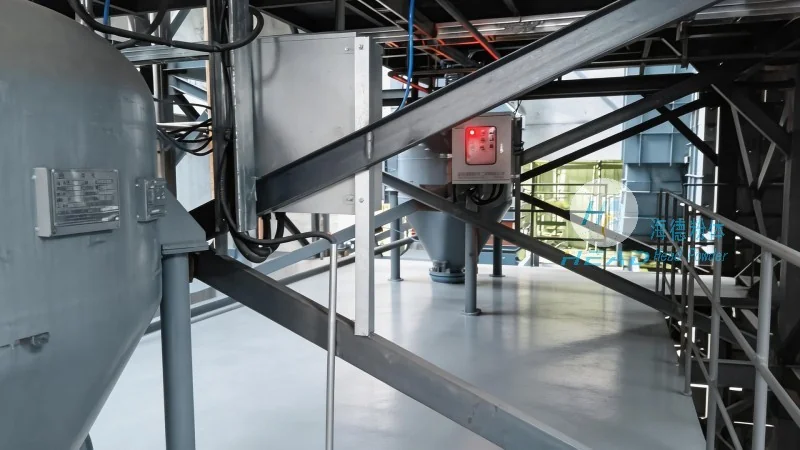
Company Overview: Shandong HeadPowder Engineering Co., Ltd.
HeadPowder, a leading manufacturer based in Shandong, China, specializes in the design, production, and supply of high-quality powder conveying equipment. With years of experience in the industry, the company has established itself as a trusted partner for businesses requiring efficient and reliable material handling solutions. The company's commitment to quality and innovation ensures that their products meet the stringent demands of various industrial applications.
Key Components of Iron Sand Powder Conveying Machines
Iron sand powder conveying machines typically consist of several key components that work in tandem to achieve effective material transport. These components include the hopper, which serves as the storage and feeding unit; the conveyor system, which may involve screw conveyors, pneumatic conveyors, or other mechanisms depending on the specific design; and the control system, which regulates the operation of the machine. Each component plays a crucial role in the overall performance and efficiency of the conveying process.
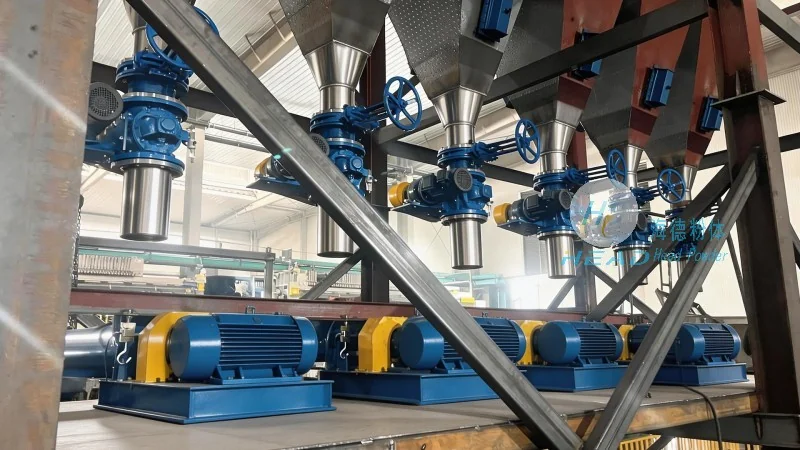
The Operation Process of Iron Sand Powder Conveying Machines
The operation process of an iron sand powder conveying machine begins with the loading of iron sand into the hopper. The material is then fed into the conveyor system, which transports it to the desired destination. In many cases, the conveyor system uses a screw or auger mechanism to move the powder through the pipeline. The speed and direction of the conveyor can be adjusted as needed to control the flow rate and ensure smooth transport. The control system monitors the operation, providing real-time feedback and adjustments to maintain optimal performance. Once the material reaches the end of the conveyor, it is discharged into the receiving container or processing unit.
Working Principle of Iron Sand Powder Conveying Machines
The working principle of iron sand powder conveying machines is based on the principles of fluidization and mechanical transport. In pneumatic conveying systems, for example, air is used to create a fluidized bed of the powder, allowing it to be moved through the pipeline under pressure. The screw conveyor system, on the other hand, relies on the rotation of a screw to push the powder forward. Both systems are designed to handle fine powders like iron sand without causing clogging or blockages. The efficiency of the machine depends on factors such as the particle size, moisture content, and density of the material, as well as the design and maintenance of the equipment.
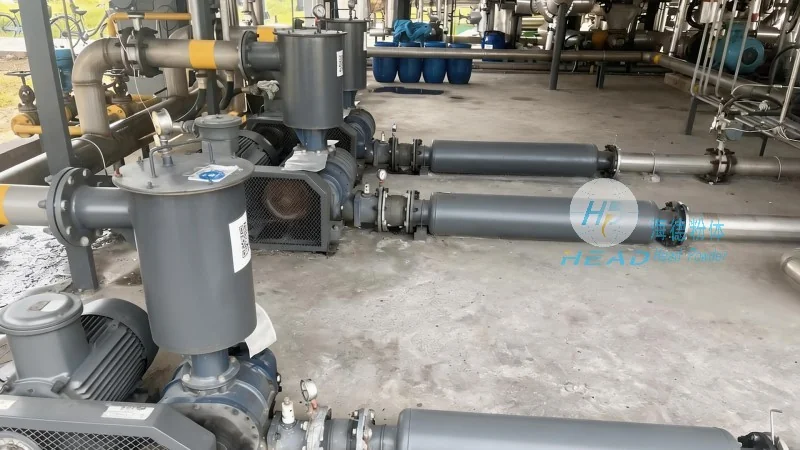
Advantages of Using Iron Sand Powder Conveying Machines
Iron sand powder conveying machines offer several advantages over traditional material handling methods. They provide a clean and dust-free environment, reducing the risk of contamination and improving workplace safety. The machines are also highly efficient, with minimal energy consumption and low maintenance requirements. Additionally, they can handle large volumes of material, making them suitable for high-production industrial settings. The ability to control the flow rate and direction of the material allows for precise and flexible operation, adapting to various production needs.
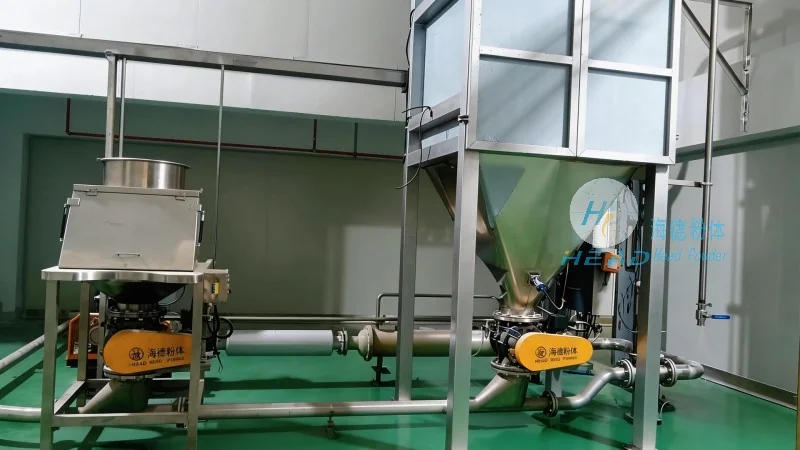
Applications in Industrial Settings
Iron sand powder conveying machines are widely used in various industrial applications, including mining, metallurgy, and chemical processing. In the mining industry, they are used to transport iron sand from the mine to processing facilities. In metallurgy, they help in the transport of raw materials for iron production. In chemical processing, they are used to move fine powders in the production of chemicals and other products. The versatility of these machines makes them suitable for a wide range of applications, ensuring their importance in modern industrial operations.
Maintenance and Troubleshooting Tips
Proper maintenance is crucial to ensure the longevity and efficiency of iron sand powder conveying machines. Regular inspection of the components, such as the hopper, conveyor, and control system, is necessary to identify and address any issues early on. Cleaning the machine regularly can prevent the buildup of powder and reduce the risk of clogging. If the machine experiences any problems, such as reduced flow or increased noise, it is important to check the air pressure (in pneumatic systems) or the screw speed (in mechanical systems) and ensure that the material is not too wet or too dry. By following these maintenance tips, users can maximize the performance and lifespan of their conveying machines.




