For industries dealing with bulk salt handling, the efficient and reliable operation of salt powder conveying machines is crucial. These systems are designed to transport salt powder from storage areas to processing units, ensuring smooth workflow and minimizing operational disruptions. This article provides an in-depth look at the operation process and working principle of such equipment, highlighting key components and their functions.
Introduction to Salt Powder Conveying Machines
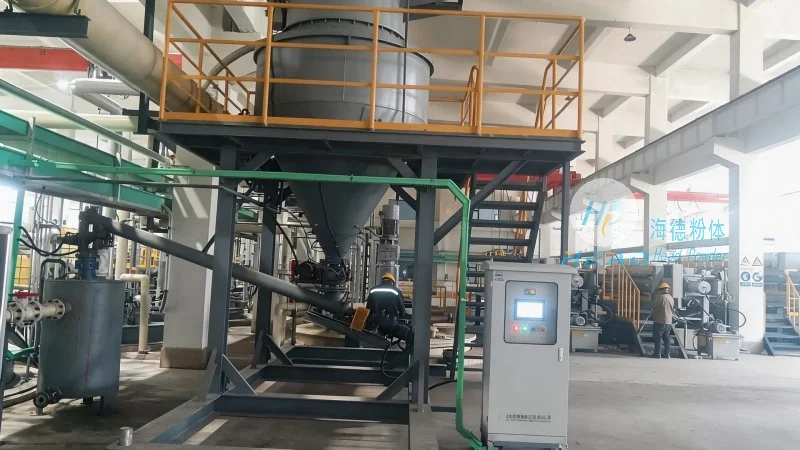
Salt powder conveying machines are specialized equipment used in the chemical, food processing, and mining industries to transport granular or powdered salt. The system typically consists of a hopper for material storage, a conveyor mechanism (such as a screw conveyor or pneumatic system), and control systems to regulate the flow of salt. The design of these machines is tailored to handle the unique properties of salt, including its hygroscopic nature and potential for dust generation, ensuring safe and efficient operation.
About HeadPowder: Shandong HeadPowder Engineering Co., Ltd.
HeadPowder, or Shandong HeadPowder Engineering Co., Ltd., is a leading manufacturer of industrial conveying equipment based in Shandong, China. With a strong focus on innovation and quality, the company has established itself as a trusted partner for businesses requiring reliable salt handling solutions. HeadPowder's expertise lies in designing and manufacturing custom conveying systems that meet the specific needs of clients, ensuring optimal performance and durability in demanding environments.
The Operation Process of Salt Powder Conveying Machines
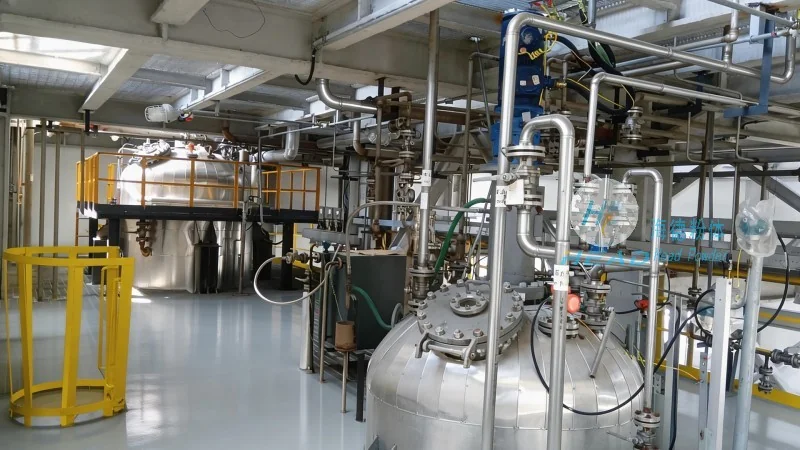
The operation of a salt powder conveying machine begins with the loading of salt into the hopper. The hopper is equipped with a feeding mechanism that controls the flow of material into the conveyor system. As the salt enters the conveyor, it is transported to the discharge point, where it is released into the next processing stage. The entire process is typically automated, with sensors and control panels monitoring the flow rate and ensuring consistent delivery. Key steps include material feeding, conveyor operation, and discharge control, each of which is critical to maintaining the efficiency of the system.
Working Principle of Salt Powder Conveying Machines
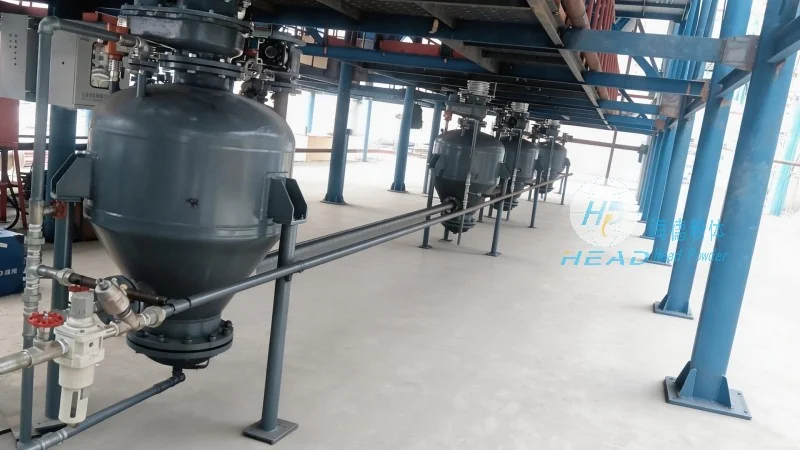
The working principle of salt powder conveying machines varies depending on the type of conveyor used. Common systems include screw conveyors, pneumatic conveyors, and bucket elevators. Screw conveyors utilize a rotating screw to move material along a trough, while pneumatic conveyors use air pressure to transport salt through a pipeline. The choice of system depends on factors such as the volume of material to be transported, the distance between the feed and discharge points, and the need for dust control. In screw conveyors, for example, the rotating screw pushes the salt forward, while the trough guides the material to the discharge end. Pneumatic systems, on the other hand, use compressed air to create a flow of air and salt particles, ensuring efficient transport even over long distances.
Key Components and Their Functions
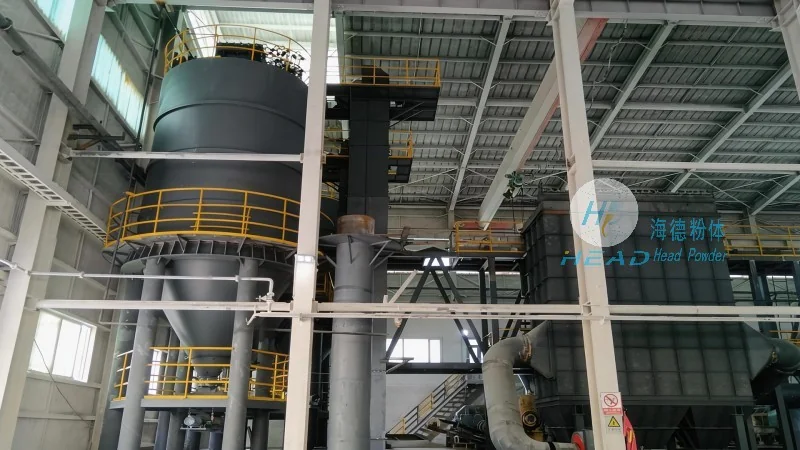
Several key components work together to ensure the smooth operation of salt powder conveying machines. The hopper serves as the storage container, providing a consistent supply of salt to the conveyor. The feeding mechanism, such as a rotary valve or gate, regulates the flow of material into the hopper. The conveyor itself, whether screw, pneumatic, or mechanical, is the core of the system, responsible for transporting the salt. Control systems, including sensors and a control panel, monitor the operation and adjust parameters as needed. Additionally, dust collection systems are often integrated to manage the hygroscopic nature of salt and prevent dust accumulation, ensuring a safe working environment.
Benefits of Using Salt Powder Conveying Machines
Implementing salt powder conveying machines offers several advantages for industrial operations. These systems improve efficiency by automating the material handling process, reducing the need for manual labor and minimizing the risk of spills or contamination. They also enhance safety by controlling dust and ensuring consistent material flow. Furthermore, the design of these machines allows for easy integration into existing production lines, making them a cost-effective solution for businesses looking to upgrade their salt handling capabilities. The reliability and durability of HeadPowder's conveying systems ensure long-term performance, providing a return on investment over time.
Conclusion
In conclusion, salt powder conveying machines are essential equipment for industries dealing with bulk salt transport. The operation process involves careful control of material flow from the hopper to the discharge point, while the working principle relies on specialized conveyor systems tailored to the properties of salt. HeadPowder, with its expertise in industrial conveying, provides high-quality solutions that meet the needs of clients in Shandong and beyond. By understanding the operation and working principles of these machines, businesses can optimize their salt handling processes, improve efficiency, and ensure safe and reliable operation.




