Understanding the operation process and working principle of polytrifluorochloroethylene (PCTFE) material handling systems is crucial for optimizing industrial applications that require the transport of this specialized polymer. PCTFE, known for its exceptional chemical resistance, low friction, and thermal stability, is widely used in various sectors including semiconductor manufacturing, pharmaceuticals, and aerospace. The efficient design and operation of PCTFE-based conveyor systems ensure reliable material transfer while maintaining product integrity.
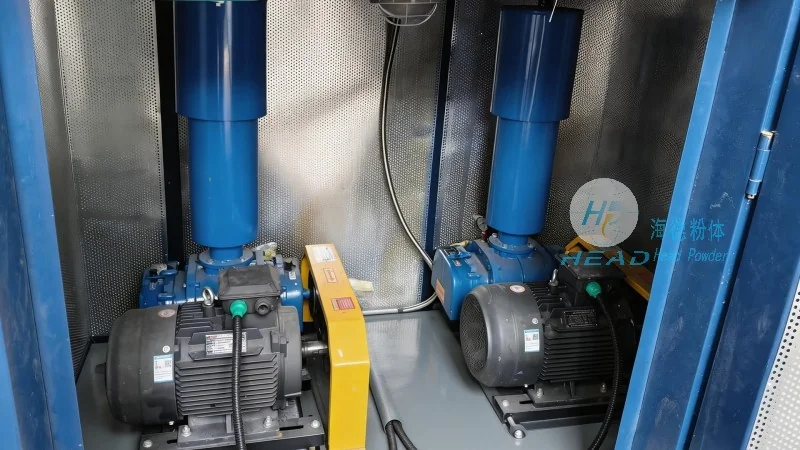
System Overview and Key Components
PCTFE material handling systems are engineered to handle the unique properties of polytrifluorochloroethylene, which includes high purity requirements and resistance to aggressive chemicals. The core components of such systems typically include feed hoppers, conveyor belts or pipes, control panels, and discharge mechanisms. Each component is selected to minimize material degradation and ensure consistent performance under demanding conditions. The system's design incorporates features like smooth surfaces and corrosion-resistant materials to accommodate the polymer's sensitivity to environmental factors.
Preparation and Loading Process
The operation begins with the preparation of PCTFE material, which may involve drying and sieving to remove moisture and contaminants. The material is then fed into the hopper using a controlled feeding mechanism, such as a screw feeder or vibratory feeder, to maintain a steady flow rate. Proper loading is essential to prevent overloading or underloading, which can affect the system's efficiency and the quality of the transported material. The control panel monitors the feed rate and adjusts it as needed to maintain optimal performance.
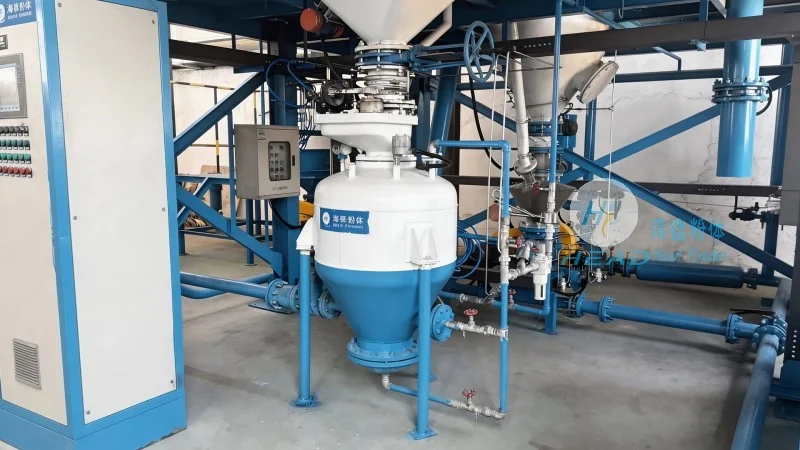
Conveyor Mechanism and Material Transport
Once loaded, the PCTFE material is transported through the system via a conveyor system. In many PCTFE handling applications, a flexible or rigid tube conveyor is used due to its ability to handle the polymer's tendency to stick or adhere to surfaces. The conveyor is typically made from PCTFE or compatible materials to prevent contamination and ensure smooth movement. The system may include sections with varying inclines or horizontal runs, with each section designed to maintain the material's flow without causing blockages or degradation. The speed of the conveyor is controlled to match the processing requirements of downstream equipment, ensuring a consistent output.
Control and Monitoring Systems
Advanced control systems are integrated into PCTFE material handling systems to monitor and regulate the entire operation. Sensors are placed at critical points to detect material levels, flow rates, and any blockages or malfunctions. The control panel provides real-time data and alerts operators to any deviations from the set parameters. Automated controls can adjust the feed rate, conveyor speed, or other variables to maintain stable operation, reducing downtime and improving overall efficiency. Regular maintenance and calibration of the control systems are essential to ensure long-term reliability.
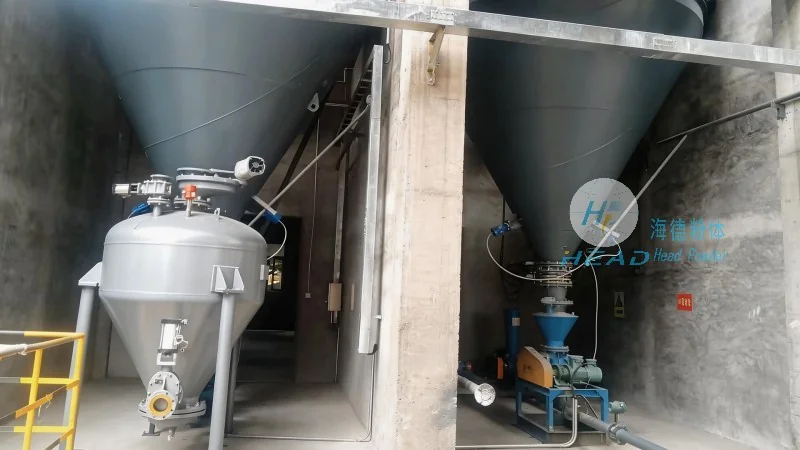
Discharge and Material Handling
At the end of the conveyor system, the PCTFE material is discharged into a collection container or transferred to the next processing stage. The discharge mechanism is designed to minimize material loss and prevent contamination. Some systems use a controlled gravity discharge or a pneumatic transfer system to move the material to the next step. The discharge area is equipped with safety features to protect operators from accidental spills or exposure to the material. Proper handling of the discharged material ensures that it is ready for further processing or packaging without any degradation.
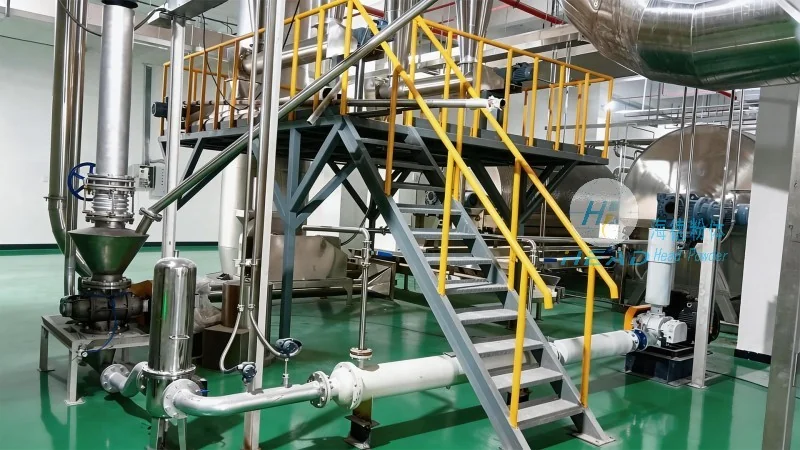
Working Principle of PCTFE Material Handling
The working principle of PCTFE material handling systems revolves around the controlled movement of the polymer from the source to the destination. The system uses mechanical energy to transport the material, with the conveyor components providing the necessary force to overcome friction and gravity. The design of the system, including the shape of the conveyor and the surface texture, is optimized to minimize the coefficient of friction between the PCTFE material and the conveyor surface. This reduces wear and tear on both the material and the equipment, extending the system's lifespan. The system's efficiency is also influenced by the material's properties, such as its density and flow characteristics, which are considered during the design phase to ensure optimal performance.
Company Information and Application
Shandong HeadPowder Engineering Co., Ltd., a leading manufacturer in the field, specializes in the design and production of PCTFE material handling systems. With a focus on precision engineering and quality control, the company ensures that its systems meet the stringent requirements of various industries. The company's headquarters is located in Shandong, China, where it leverages advanced manufacturing techniques and a skilled workforce to deliver reliable and efficient solutions. PCTFE material handling systems from HeadPowder are widely used in applications where material purity and consistency are critical, such as in the production of high-purity chemicals and pharmaceuticals. The company's commitment to innovation and customer satisfaction has made it a trusted partner for businesses seeking to optimize their material handling processes.




