For industries dealing with copper sulfate, efficient material handling is crucial for maintaining production efficiency and operational safety. A pneumatic conveying system offers a reliable solution for transporting copper sulfate from storage to processing units. This article delves into the operation process and working principle of such a system, highlighting its benefits and technical aspects.
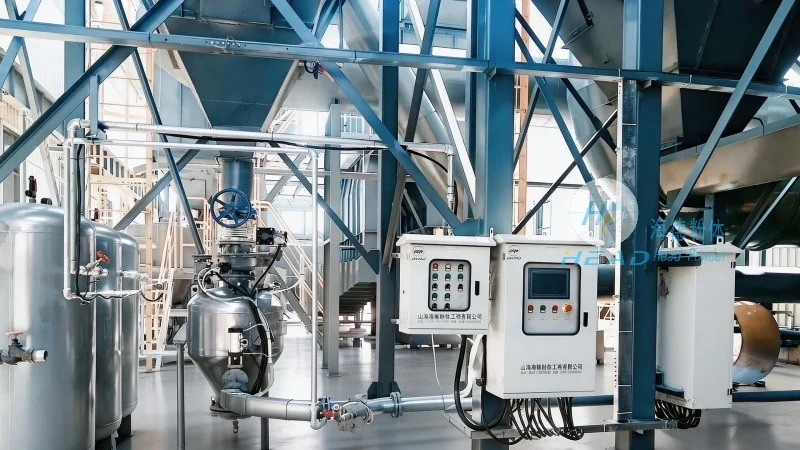
Introduction to Copper Sulfate Pneumatic Conveying Systems
Copper sulfate, a widely used chemical in agriculture, water treatment, and industrial applications, requires precise handling to ensure consistent quality and safety. Pneumatic conveying systems provide an effective method for moving this material without the need for mechanical components like belts or buckets. The system utilizes compressed air to transport the copper sulfate particles through a pipeline network, offering advantages such as reduced contamination, lower maintenance costs, and improved safety compared to traditional methods.
Overview of the Operation Process
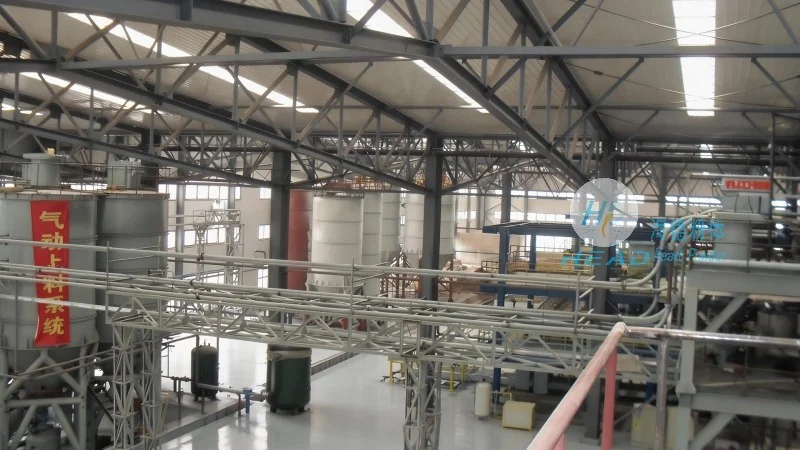
The operation of a copper sulfate pneumatic conveying system involves several key steps. First, the copper sulfate is fed into the hopper or storage silo. From there, it is drawn into the conveying line by the vacuum or pressure created by the air compressor. The system typically operates under either positive pressure or negative pressure, depending on the specific design and application requirements. The material is then transported through the pipeline to the destination point, such as a mixer, reactor, or storage tank. The process is controlled by a series of valves, sensors, and a control panel that monitors pressure, flow rate, and other critical parameters to ensure smooth and efficient operation.
Detailed Working Principle
The working principle of a pneumatic conveying system for copper sulfate is based on the interaction between the material particles and the air flow. In a positive pressure system, compressed air is introduced at the inlet, creating a high-pressure environment that pushes the material through the pipeline. The air velocity is maintained above the minimum conveying velocity to prevent particle settling or blockages. In a negative pressure system, the air is drawn from the outlet, creating a vacuum that pulls the material into the pipeline. The system uses a combination of air velocity, particle size, and density to achieve optimal conveying performance. The air and material mixture travels through the pipeline, with the air providing the necessary force to move the particles while the pipeline design ensures minimal friction and pressure loss.
Key Components and Their Functions
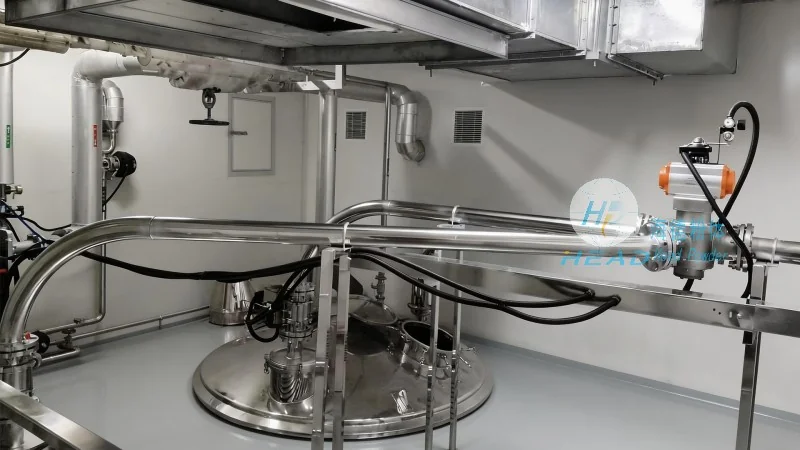
Several components are essential for the proper functioning of a copper sulfate pneumatic conveying system. The hopper or storage silo serves as the material source, providing a consistent feed to the system. The feeder, often a rotary valve or screw feeder, controls the flow rate of the copper sulfate into the conveying line. The air compressor generates the necessary pressure or vacuum to move the material. The pipeline network connects the various components and transports the material to the destination. The control panel monitors and regulates the system's operation, ensuring that pressure, flow rate, and other parameters remain within safe and efficient limits. Additionally, filters and cyclones are used to separate the air from the material, allowing the air to be recycled and the copper sulfate to be collected at the end of the line.
Practical Applications and Benefits
Copper sulfate pneumatic conveying systems are widely used in various industries due to their versatility and efficiency. In the agricultural sector, they are used to transport copper sulfate for fertilizer production and soil treatment. In water treatment facilities, they help deliver copper sulfate for disinfection and corrosion control. Industrial applications include its use in the production of pigments, batteries, and other chemical products. The benefits of using such a system include reduced labor costs, minimized material handling errors, improved safety by eliminating manual handling, and enhanced product quality through consistent processing. Additionally, the system's ability to handle fine powders without segregation or agglomeration makes it ideal for copper sulfate, which can be prone to these issues in traditional handling methods.
Technical Specifications and Performance Metrics
The performance of a copper sulfate pneumatic conveying system is determined by several technical specifications. The conveying capacity, typically measured in tons per hour, depends on the system's design, air pressure, and material characteristics. The pipeline diameter and length also affect the system's efficiency, with longer pipelines requiring higher air pressure or velocity to maintain optimal flow. The system's pressure drop is a critical metric, as it indicates the energy required to move the material through the pipeline. A lower pressure drop means more efficient operation and reduced energy consumption. The system's reliability is also important, with components designed to withstand the abrasive nature of copper sulfate particles and the high-pressure air flow. Regular maintenance, including cleaning of filters and pipelines, is essential to ensure long-term performance and prevent system failures.
Conclusion and Company Profile
In conclusion, a copper sulfate pneumatic conveying system is a highly effective and efficient solution for handling this important chemical. The operation process involves feeding, conveying, and controlling the material using compressed air, while the working principle relies on the interaction between the material and air flow. Key components such as the hopper, feeder, air compressor, and control panel work together to ensure smooth and reliable operation. The system offers numerous benefits, including improved safety, reduced maintenance costs, and enhanced product quality. For companies in need of such a system, Shandong HeadPowder Engineering Co., Ltd. provides comprehensive solutions tailored to specific industry requirements. With its headquarters in Shandong, China, HeadPowder specializes in designing and manufacturing high-quality pneumatic conveying systems that meet the needs of various industries, including those dealing with copper sulfate. The company's expertise in material handling technology ensures that clients receive reliable and efficient systems that enhance their operational performance.




