For industrial operations dealing with rubber granules, understanding the technology behind pneumatic conveying systems is crucial. A rubber granule pneumatic conveying system is a method of transporting rubber particles through a pipeline using compressed air or other gas as the driving force. This technology offers an efficient, flexible, and often cleaner alternative to traditional mechanical conveying methods like belts or buckets.
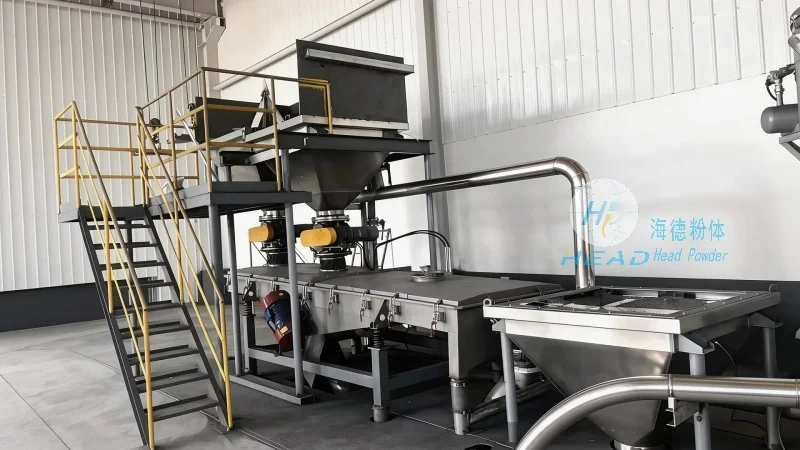
Introduction to Rubber Granule Pneumatic Conveying Systems
Rubber granules, often used in applications such as playground surfaces, sports flooring, and industrial flooring, require reliable and efficient transport solutions. Pneumatic conveying systems address these needs by utilizing air pressure to move materials. The system typically consists of a hopper for material storage, a conveyor line, and a control system to regulate the flow. This approach minimizes material handling and reduces the risk of contamination or degradation.
The Core Components of a Rubber Granule Pneumatic Conveying System
At the heart of any pneumatic conveying system are several key components that work in tandem to ensure smooth operation. The primary components include the material hopper, which holds the rubber granules; the air compressor or blower, which generates the necessary air pressure; the conveying line, which transports the material; and the control valves and sensors that manage the flow. Additionally, filters and cyclones are often integrated to separate the material from the air, ensuring the system remains clean and efficient.
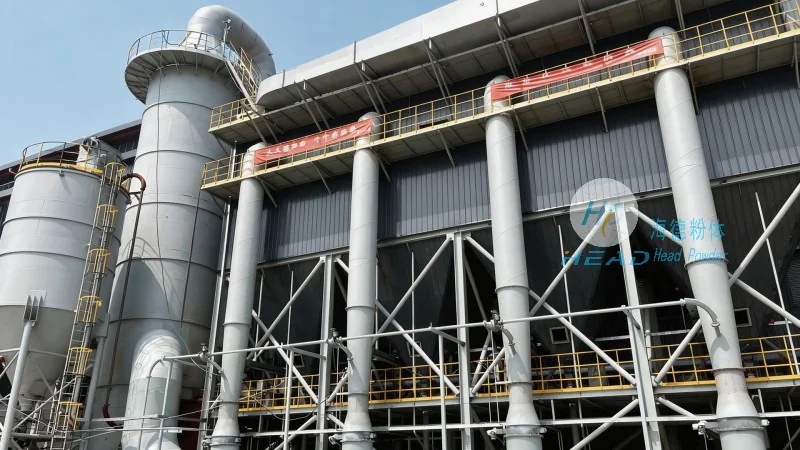
Design Principles for Efficient Rubber Granule Conveying
The design of a rubber granule pneumatic conveying system is tailored to the specific characteristics of the material and the operational requirements. Key design principles include selecting the appropriate air velocity to prevent material settling or blockages, ensuring the conveying line diameter matches the material size and flow rate, and incorporating sufficient pressure to overcome resistance. The system must also account for the density and particle size of the rubber granules, as these factors influence the air volume needed for effective transport. Proper sizing of the hopper and the use of appropriate fittings and elbows are critical to maintaining consistent flow and preventing wear on components.
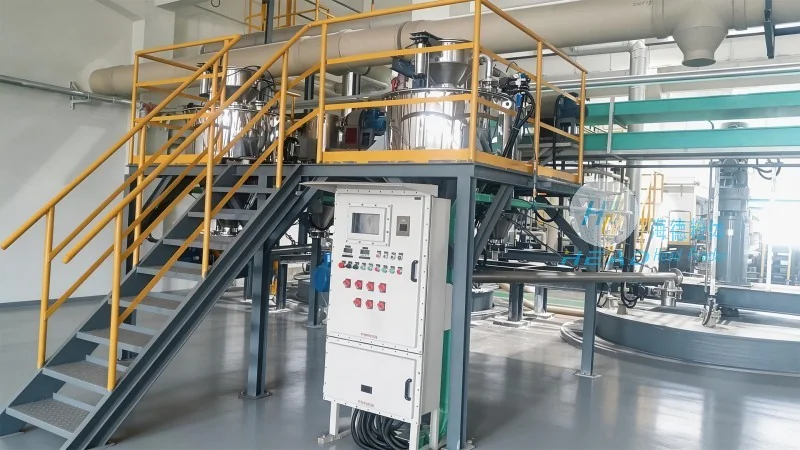
Advantages of Using Pneumatic Conveying for Rubber Granules
Compared to traditional conveying methods, pneumatic systems offer several advantages for rubber granule transport. These include reduced labor costs due to automated material handling, improved safety by minimizing manual handling, and enhanced product quality by preventing contamination. The flexibility of pneumatic systems also allows for easy integration into existing production lines and the ability to transport materials over long distances without the need for multiple transfer points. Additionally, the system can be designed to handle varying material volumes and flow rates, making it adaptable to different production needs.
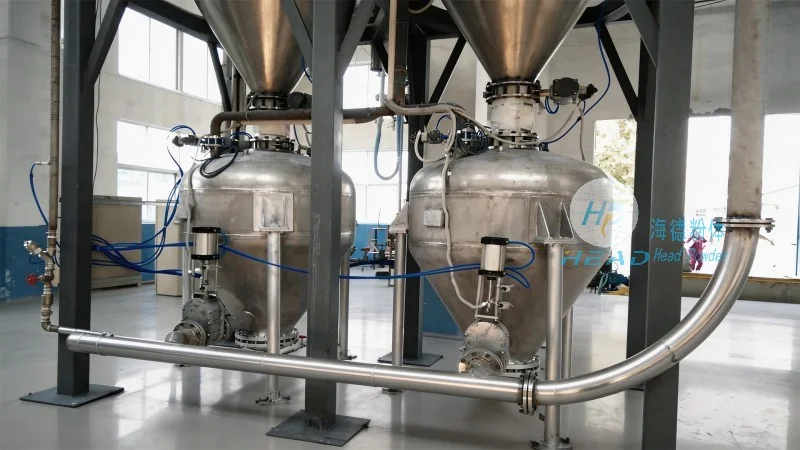
Considerations for System Maintenance and Longevity
Proper maintenance is essential to ensure the longevity and efficiency of a rubber granule pneumatic conveying system. Regular cleaning of filters and cyclones is necessary to prevent clogging and maintain air flow. The air compressor or blower should be inspected regularly for wear and tear, and the conveying line should be checked for any signs of wear or damage. Additionally, the material hopper and control system should be maintained to ensure consistent performance. By adhering to a regular maintenance schedule, the system can operate at optimal levels, reducing downtime and maintenance costs.
Conclusion: The Role of Shandong HeadPowder Engineering Co., Ltd. in Pneumatic Conveying Solutions
For businesses seeking reliable and efficient solutions for rubber granule transport, Shandong HeadPowder Engineering Co., Ltd. provides expert design and implementation of pneumatic conveying systems. With a focus on tailored solutions that meet specific operational needs, the company ensures that its systems are built to last and operate efficiently. By adhering to the design principles outlined above and leveraging their expertise, Shandong HeadPowder Engineering Co., Ltd. helps industrial operations achieve seamless material transport while maintaining product quality and operational efficiency.




