Desulfurization gypsum, a byproduct of flue gas desulfurization in thermal power plants and industrial facilities, is a valuable material used in construction, agriculture, and other industries. The efficient and reliable transport of this material is crucial for optimizing production processes and ensuring environmental compliance. Pneumatic conveying systems have emerged as a preferred method for handling desulfurization gypsum due to their ability to transport powders over long distances with minimal dust and energy consumption.
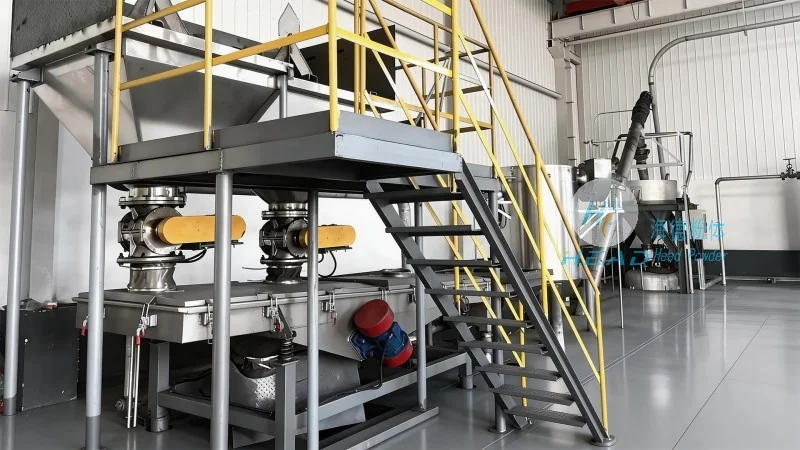
Company Profile: Shandong HeadPowder Engineering Co., Ltd.
HeadPowder, a leading engineering company based in Shandong, China, specializes in the design, manufacturing, and installation of advanced material handling systems. With years of experience in the industry, HeadPowder has developed a comprehensive range of solutions tailored to meet the unique needs of clients in various sectors. The company's commitment to innovation and quality has established it as a trusted partner for projects involving desulfurization gypsum and other bulk materials.
Structure and Working Principle of Desulfurization Gypsum Pneumatic Conveying Systems
A typical desulfurization gypsum pneumatic conveying system consists of several key components that work in tandem to transport the material from the source to the destination. The main components include a hopper for material storage, a feeder to control the flow rate, a conveying line (usually made of metal or plastic pipes), a compressor to generate the air flow, and a receiver for the material at the end of the line. The system operates by creating a negative pressure or positive pressure environment within the conveying line, which draws or pushes the gypsum particles along with the air stream.
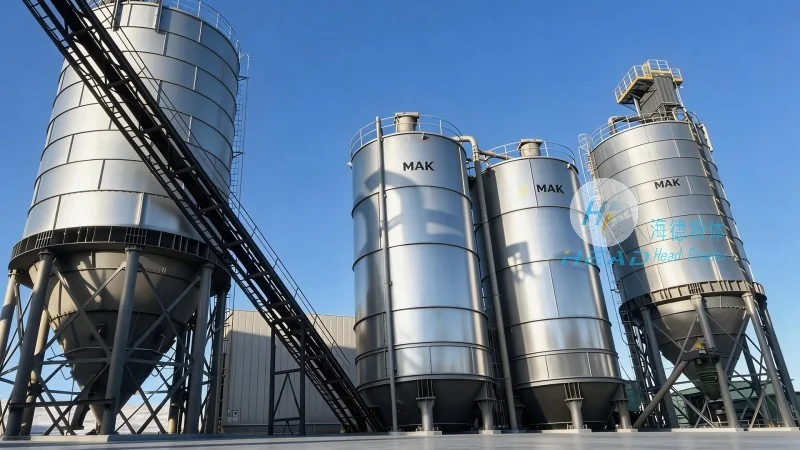
The working principle involves the following steps: First, the gypsum is fed from the hopper into the conveying line through the feeder. The compressor then supplies compressed air, which creates a flow that carries the gypsum particles. As the material travels through the pipe, it is mixed with the air, forming a slurry-like mixture. The mixture is then transported to the receiver, where the air is separated from the gypsum and either recycled or vented. The separated gypsum is collected in the receiver, ready for further processing or use.
Key Features and Advantages of Pneumatic Conveying for Desulfurization Gypsum
Pneumatic conveying systems offer several advantages over traditional methods such as belt conveyors or screw conveyors when handling desulfurization gypsum. These advantages include: 1. Low Dust Generation: The enclosed system minimizes dust emissions, improving workplace safety and environmental compliance. 2. Efficient Material Transport: The system can handle long-distance transport with minimal energy consumption, making it cost-effective for large-scale operations. 3. Flexibility in Layout: The use of flexible pipes allows for easy adaptation to existing plant layouts or changes in production needs. 4. Reduced Maintenance: With fewer moving parts compared to mechanical conveyors, pneumatic systems require less maintenance and have longer service lives.
Application Scenarios and Industry Impact
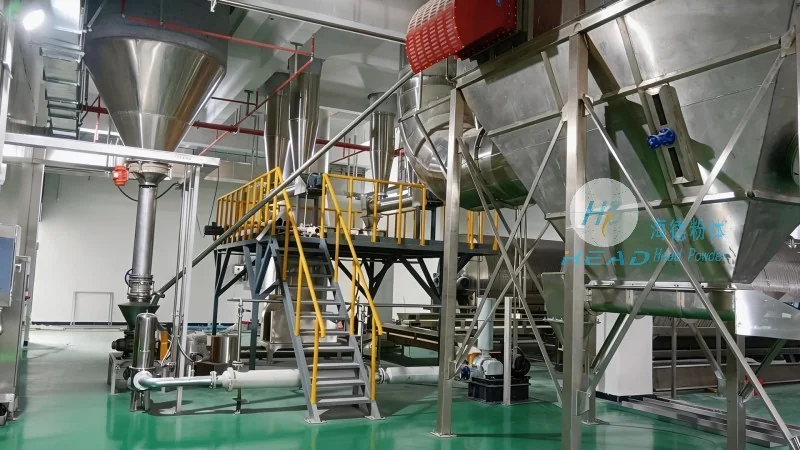
Desulfurization gypsum pneumatic conveying systems are widely used in various industries, including power generation, cement production, and agricultural applications. In power plants, the system efficiently transports gypsum from the desulfurization unit to storage or processing facilities. In the cement industry, the gypsum is used as a raw material for cement production, and the conveying system ensures a steady supply. In agriculture, the gypsum is applied to soil to improve its quality, and the system facilitates the distribution of the material to farms. The efficient handling of desulfurization gypsum not only enhances operational efficiency but also contributes to sustainable development by maximizing the utilization of this byproduct.
Conclusion and Future Prospects
Desulfurization gypsum pneumatic conveying systems represent a sophisticated solution for the efficient transport of bulk materials. With its robust structure and reliable working principle, the system has become an essential component in modern industrial operations. As the demand for sustainable and efficient material handling solutions continues to grow, companies like Shandong HeadPowder Engineering Co., Ltd. are at the forefront of developing advanced technologies that meet the evolving needs of the industry. The continued innovation in pneumatic conveying systems will further enhance their performance and expand their applications, ensuring a more sustainable and productive future for industries relying on desulfurization gypsum.




