Shandong HeadPowder Engineering Co., Ltd., commonly known as headpowder, is a professional manufacturer specializing in the research, development, and production of automatic pneumatic conveying equipment. With a focus on providing efficient and reliable solutions for material handling, the company has established itself as a key player in the industry, particularly in China. Based in Shandong, China, headpowder leverages advanced technology and engineering expertise to deliver high-quality equipment tailored to diverse industrial applications.
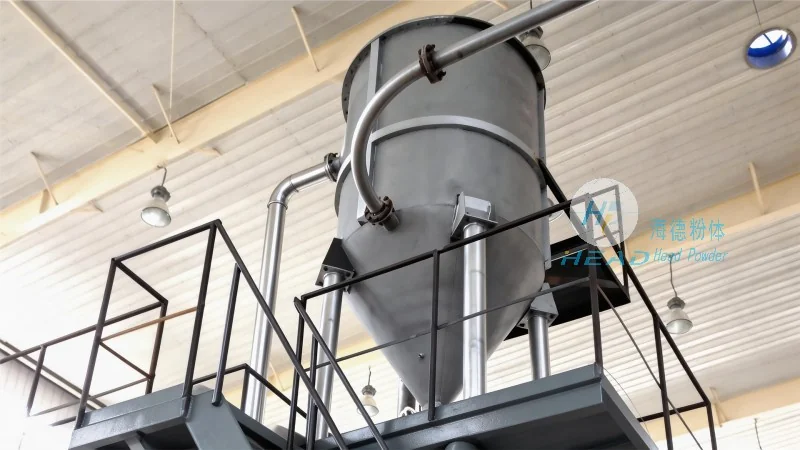
Overview of Automatic Pneumatic Conveying Equipment
Automatic pneumatic conveying equipment is a sophisticated system designed to transport bulk materials from one location to another using air as the primary medium. This technology offers significant advantages over traditional mechanical conveying methods, such as reduced labor costs, minimized material degradation, and enhanced safety in handling various powders and granules. The equipment is widely used in industries like food processing, pharmaceuticals, chemicals, and mining, where precise and controlled material transport is critical.
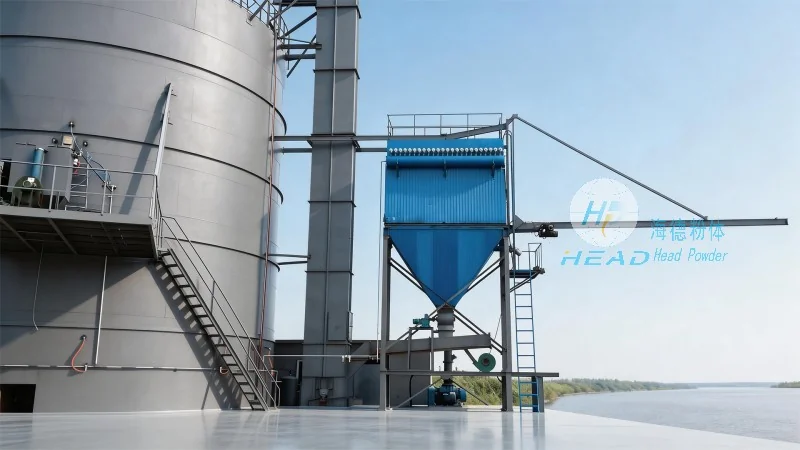
Key Components and Structure of the Equipment
The core structure of an automatic pneumatic conveying system typically includes several essential components that work in tandem to ensure efficient operation. These components are meticulously designed to handle different material characteristics and operational requirements. The main parts include the material hopper, which serves as the storage and feeding unit; the air compressor or blower, responsible for generating the necessary air pressure; the conveying pipeline, which transports the material and air mixture; and the receiver or discharge hopper, where the material is collected at the destination. Additionally, the system may incorporate control valves, filters, and dust collectors to maintain optimal performance and prevent contamination.
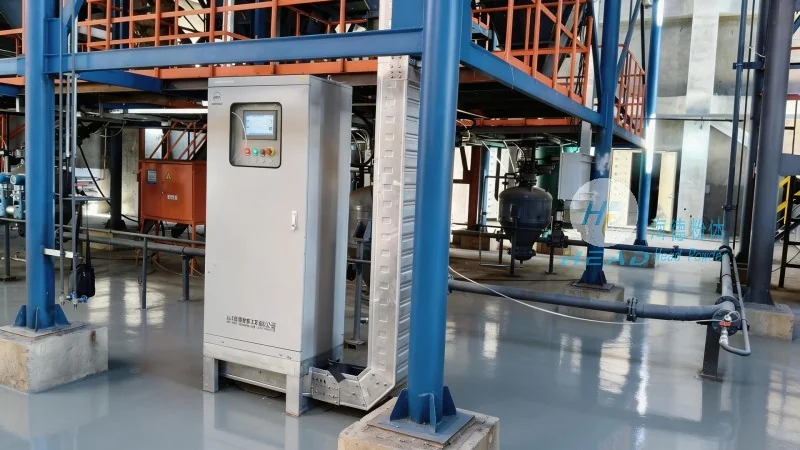
Working Principle of the Pneumatic Conveying Process
The operation of automatic pneumatic conveying equipment is based on the principle of air flow and pressure differentials. The process begins with the material being fed from the hopper into the conveying line. Simultaneously, the air compressor supplies compressed air into the pipeline. As the air flows through the line, it creates a pressure differential that draws the material particles into the air stream. The mixture of air and material travels through the pipeline to the receiving hopper, where the air is separated from the material, often through a cyclone separator or other filtration system. The separated air is then recirculated or vented, while the material is collected in the receiver. This continuous cycle ensures a steady and controlled flow of materials, minimizing downtime and maximizing operational efficiency.
Advantages and Applications in Industrial Settings
Automatic pneumatic conveying equipment offers numerous benefits that make it an ideal choice for modern industrial applications. Compared to mechanical conveyors, it reduces the risk of material contamination and degradation, which is crucial for sensitive products like pharmaceuticals and food. The system also minimizes labor requirements, as it operates with minimal human intervention once set up. Furthermore, the flexibility of pneumatic conveying allows for easy integration into existing production lines and the ability to transport materials over long distances without the need for complex infrastructure. In industries such as food processing, where hygiene and product quality are paramount, this equipment ensures that materials are handled gently and efficiently. Similarly, in the chemical and mining sectors, it provides a safe and effective means of transporting abrasive or hazardous materials, reducing the risk of accidents and improving overall workplace safety.
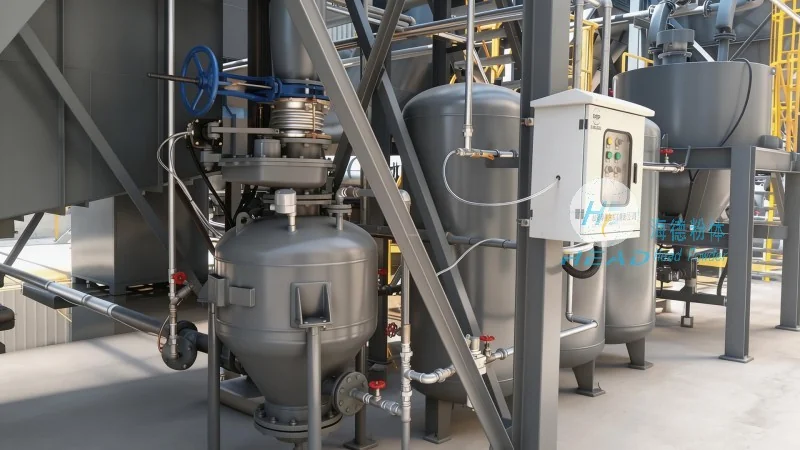
Customization and Maintenance Considerations
headpowder understands that each industrial application has unique requirements, and therefore, offers customized solutions to meet specific needs. The company’s engineers work closely with clients to design and manufacture equipment that aligns with their operational parameters, material characteristics, and production volumes. Customization may include adjustments to the hopper size, pipeline diameter, air pressure, and control systems to optimize performance. Regular maintenance is also essential to ensure the longevity and efficiency of the equipment. headpowder provides comprehensive maintenance services, including routine inspections, component replacement, and troubleshooting, to keep the system running smoothly and prevent unexpected downtime. By adhering to a proactive maintenance schedule, users can maximize the equipment's lifespan and maintain consistent performance over time.




