Understanding the efficient and reliable transport of zircon sand powder is crucial for industries that rely on this material, such as ceramics, refractory, and chemical manufacturing. The process of conveying zircon sand powder involves specialized equipment designed to handle the unique properties of this fine-grained material. In this article, we will explore the structure and operational principles of zircon sand powder conveying systems, highlighting the key components and mechanisms that ensure optimal performance. This information is provided by Shandong HeadPowder Engineering Co., Ltd., a leading manufacturer of powder handling equipment based in China.
Key Components of Zircon Sand Powder Conveying Systems
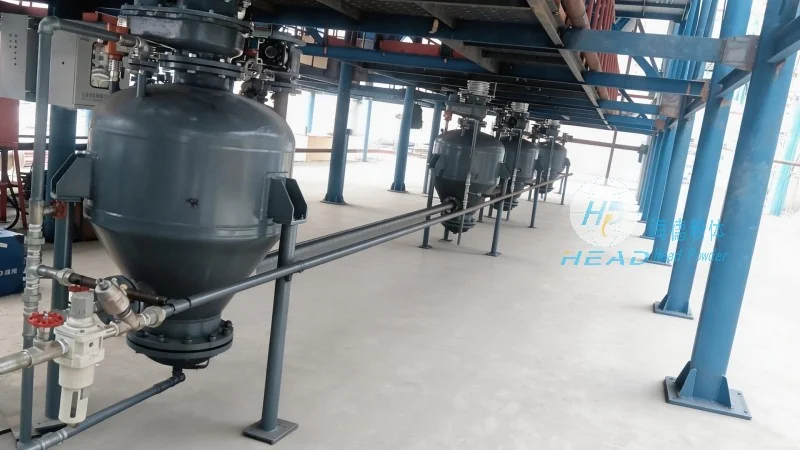
Zircon sand powder conveying systems typically consist of several essential components that work in tandem to move the material from one location to another. The primary components include a feeding device, a conveying mechanism (such as a screw conveyor, pneumatic conveyor, or belt conveyor), a control system, and a dust collection or filtration unit. Each component plays a critical role in the overall efficiency and safety of the conveying process.
The feeding device is responsible for introducing the zircon sand powder into the conveying system. It may include a hopper or a rotary valve that regulates the flow rate of the material. This ensures that the material is fed consistently and prevents overloading or underloading of the conveyor. The conveying mechanism, which can be a screw conveyor, pneumatic conveyor, or other type, is designed to move the powder through the system. Screw conveyors use rotating screws to push the material forward, while pneumatic conveyors use air pressure to transport the powder in a pipeline. The choice of conveying mechanism depends on factors such as the material's properties, the distance to be covered, and the required flow rate.
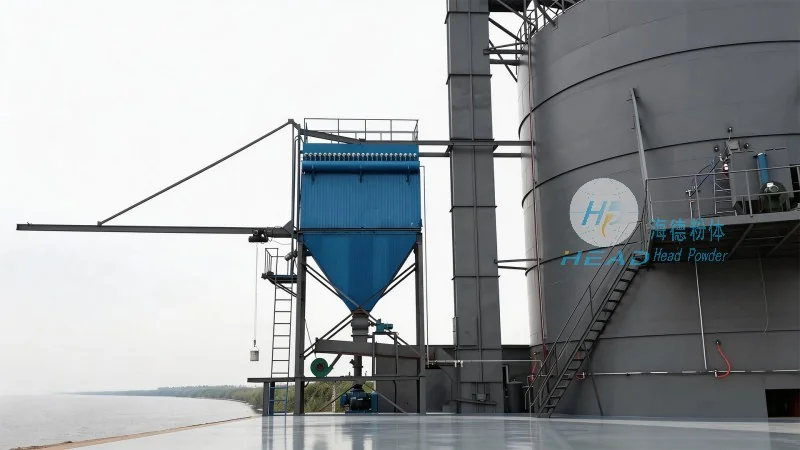
The control system is another critical component that manages the operation of the conveying system. It may include sensors to monitor the flow rate, pressure, and temperature, as well as controls to adjust the speed of the conveyor or the air pressure in pneumatic systems. This ensures that the system operates within safe and efficient parameters. Finally, the dust collection or filtration unit is essential for maintaining a clean and safe working environment. Zircon sand powder can generate dust, which may be hazardous if inhaled. Therefore, proper filtration and collection systems are necessary to capture and remove the dust from the air.
Operational Principles of Zircon Sand Powder Conveying
The operational principles of zircon sand powder conveying systems are based on the physical properties of the material and the mechanics of the conveying equipment. The primary principle is to maintain a consistent flow of the powder through the system, while minimizing the risk of blockages or material degradation. The conveying process typically involves the following steps:
First, the zircon sand powder is fed into the system from a storage hopper or a bulk container. The feeding device regulates the flow rate to ensure a steady supply of material. Next, the powder is conveyed through the system using the chosen mechanism. For example, in a screw conveyor, the rotating screw pushes the material forward, while in a pneumatic conveyor, the air pressure propels the powder through the pipeline. The conveying speed is adjusted based on the material's characteristics and the required flow rate. During the conveying process, the system may include a series of bends or changes in direction, which are designed to minimize the risk of material accumulation or blockages. The control system monitors the flow rate and adjusts the speed or pressure as needed to maintain a consistent flow.
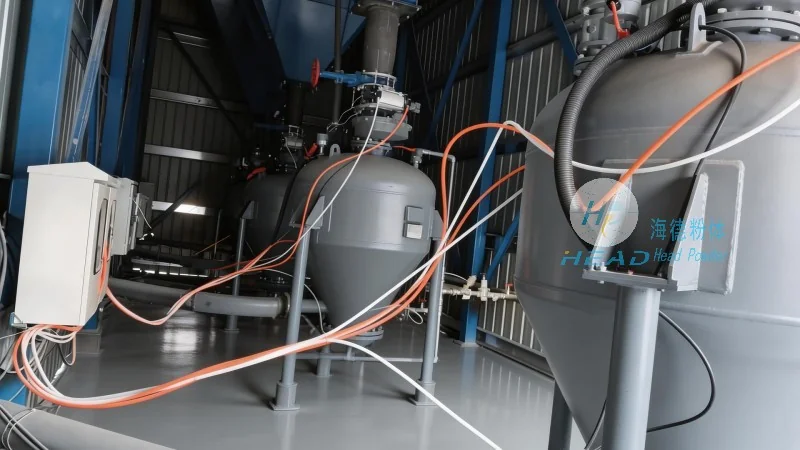
Finally, the zircon sand powder is discharged from the system at the desired location. The discharge point may be a storage bin, a processing machine, or a packaging unit. The discharge mechanism is designed to prevent the material from escaping or causing contamination. In some cases, the system may include a dust collection or filtration unit at the discharge point to capture any residual dust before it is released into the environment.
Advantages of Zircon Sand Powder Conveying Systems
Zircon sand powder conveying systems offer several advantages over traditional methods of material transport. One of the main advantages is the ability to handle fine-grained materials like zircon sand without causing blockages or degradation. The specialized equipment is designed to handle the unique properties of this material, such as its high density and abrasive nature. Another advantage is the ability to maintain a clean and safe working environment. The dust collection and filtration units help to minimize the risk of dust exposure, which is important for worker safety. Additionally, the systems are highly efficient and can transport large quantities of material over long distances with minimal energy consumption.
The use of zircon sand powder conveying systems also improves the overall productivity of the manufacturing process. By ensuring a consistent and reliable supply of material, the systems help to reduce downtime and increase throughput. This is particularly important in industries where zircon sand is used as a key raw material, such as ceramics and refractory manufacturing. The systems also help to improve the quality of the final product by ensuring that the material is handled carefully and without contamination.
Applications of Zircon Sand Powder Conveying
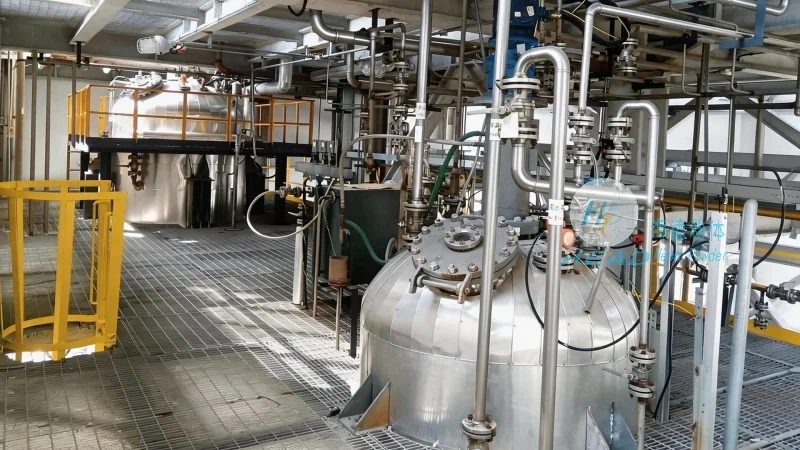
Zircon sand powder conveying systems are used in a variety of industries that rely on zircon sand as a raw material. The most common applications include ceramics manufacturing, where zircon sand is used to produce high-quality ceramic products. The systems are also used in refractory manufacturing, where zircon sand is used to produce refractory materials that are resistant to high temperatures. Additionally, the systems are used in chemical manufacturing, where zircon sand is used as a filler or additive in various chemical products. The systems are also used in the construction industry, where zircon sand is used as a component in concrete and other building materials.
In each of these applications, the zircon sand powder conveying system is designed to meet the specific requirements of the industry. For example, in ceramics manufacturing, the system may be designed to handle large quantities of zircon sand and transport it to the kilns or other processing equipment. In refractory manufacturing, the system may be designed to handle more abrasive materials and transport them over longer distances. The systems are also customized to meet the specific needs of each customer, ensuring that they are optimized for their particular application.




