Magnesium oxide (MgO), commonly known as magnesia, is a widely used industrial material in various sectors such as refractory, chemical, and pharmaceutical industries. The efficient and reliable transportation of MgO from storage to processing units is crucial for maintaining production efficiency and product quality. Pneumatic conveying systems offer a solution to this challenge by utilizing air or other gases to transport bulk materials like MgO through pipelines. However, the design of such systems requires careful consideration of several factors to ensure optimal performance, safety, and longevity. This article outlines key design considerations for magnesium oxide pneumatic conveying systems, focusing on the technical and practical aspects that engineers and operators need to address.
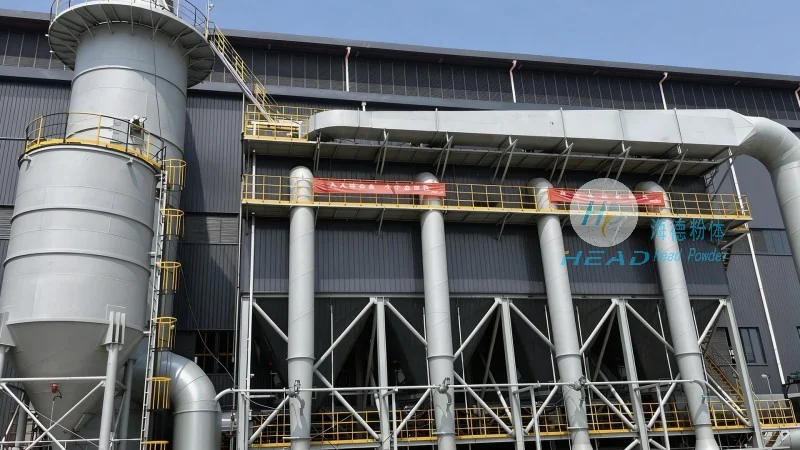
Material Properties and Their Impact on System Design
The physical and chemical properties of magnesium oxide significantly influence the design of pneumatic conveying systems. MgO is a fine, powdery material with a relatively high density and a tendency to agglomerate or form lumps. These characteristics affect the selection of conveying air velocity, pipeline diameter, and the type of air classifier or separator. For instance, high air velocities may be required to prevent material settling in the pipeline, while the pipeline diameter must be large enough to accommodate the flow without excessive pressure drop. Additionally, the abrasive nature of MgO can lead to wear on system components, necessitating the use of corrosion-resistant materials like stainless steel or special coatings for pipelines and valves. Engineers must also consider the moisture content of MgO, as moisture can cause clumping and affect the material's flowability, potentially leading to blockages in the system.
System Configuration and Components Selection
The configuration of a pneumatic conveying system for MgO typically includes several key components: a feeding device, a conveying line, a separation unit, and a dust collection system. The choice of each component is critical and must align with the material's properties and the system's operational requirements. The feeding device, such as a rotary valve or a screw feeder, must be capable of handling fine powders without causing excessive pressure fluctuations or material degradation. The conveying line, often made of stainless steel or plastic, should be designed to minimize pressure loss and prevent material deposition. The separation unit, which may include a cyclone or a bag filter, is essential for separating the conveyed material from the air stream and ensuring that the material is collected efficiently without loss. The dust collection system must be robust and capable of handling the fine particles of MgO, which can be hazardous if inhaled. Furthermore, the system should include pressure relief valves and check valves to prevent backflow and ensure safe operation under various conditions.
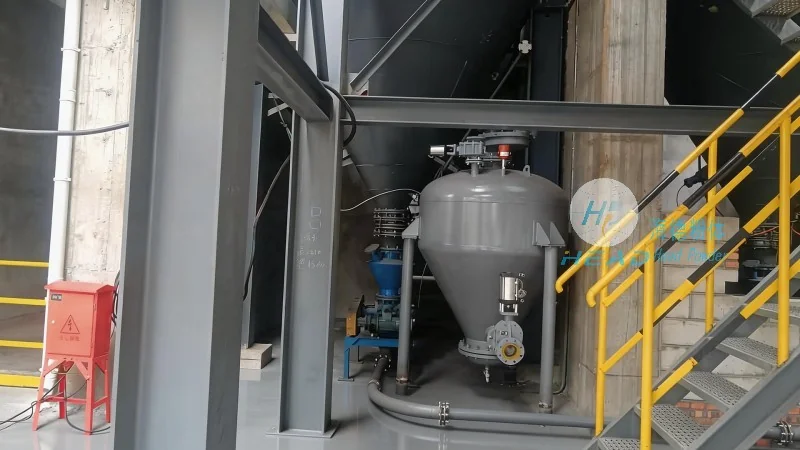
Air Velocity and Pressure Considerations
One of the most critical design parameters in pneumatic conveying is the air velocity. The air velocity must be high enough to keep the material in suspension but not so high as to cause excessive wear on the system components or high energy consumption. For MgO, the recommended air velocity typically ranges from 20 to 30 meters per second, depending on the particle size and the pipeline diameter. The pressure drop along the conveying line is another important factor, as it determines the power required to operate the system. Engineers must calculate the pressure drop using appropriate formulas, considering the material's density, particle size distribution, and the length and diameter of the pipeline. The system should be designed to maintain a sufficient pressure differential to ensure continuous material flow, and the pressure relief system must be capable of handling any sudden pressure spikes that may occur due to blockages or other operational issues.
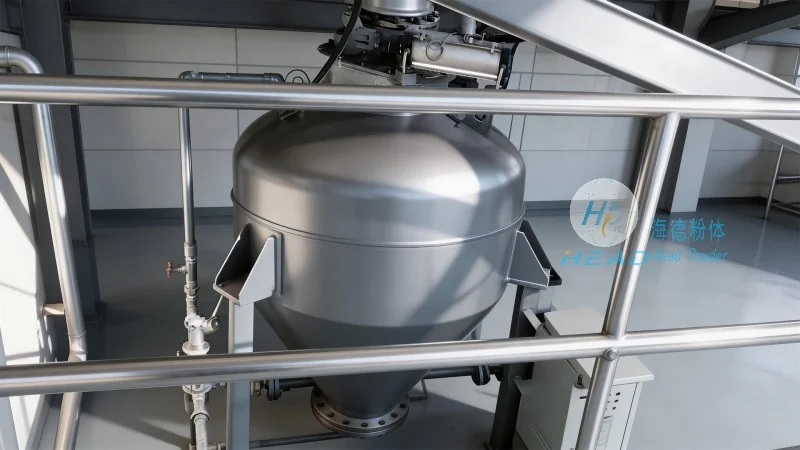
Material Handling and Safety Measures
Proper material handling is essential to prevent product contamination and ensure the safety of personnel. The conveying system should be designed to minimize the exposure of MgO to the environment, as the material can be irritating to the respiratory system and skin. The system should include sealed containers and pipelines to prevent dust emissions and ensure that the material is handled in a controlled environment. Additionally, the system must comply with relevant safety regulations, including the use of explosion-proof components in areas where there is a risk of dust accumulation. Regular maintenance and inspection of the system are also crucial to ensure that all components are functioning correctly and that any potential issues are identified and addressed promptly. This includes checking for wear and tear on pipelines and valves, ensuring that the dust collection system is operating efficiently, and verifying that the pressure relief valves are functioning as intended.
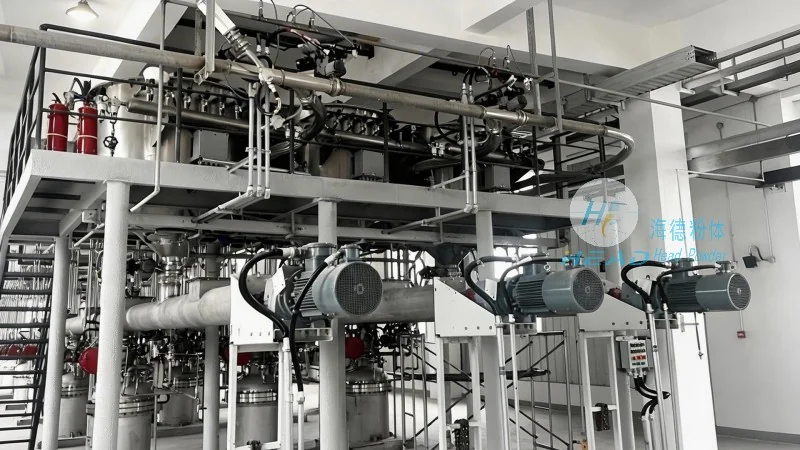
Case Study: Successful Implementation by Shandong HeadPowder Engineering Co., Ltd.
Shandong HeadPowder Engineering Co., Ltd., a leading provider of industrial conveying solutions, has successfully implemented magnesium oxide pneumatic conveying systems for various clients. One notable project involved the design and installation of a system for a refractory material manufacturer in China. The system was designed to transport MgO from storage silos to a production line, with a capacity of 50 tons per hour. The system was configured with a rotary valve feeding device, a stainless steel pipeline system, and a cyclone separator. The air velocity was optimized to 25 meters per second, resulting in a pressure drop of 1.2 bar along the pipeline. The system has been in operation for over two years, with minimal downtime and high material recovery rates. The client reported significant improvements in production efficiency and product quality, as the system ensured a consistent and reliable supply of MgO to the production line. This case study highlights the importance of proper system design and the expertise of engineers in implementing effective pneumatic conveying solutions for magnesium oxide.
Conclusion and Recommendations
Designing a pneumatic conveying system for magnesium oxide requires a comprehensive understanding of the material's properties and the operational requirements of the system. Key considerations include material properties, system configuration, air velocity and pressure, and safety measures. By addressing these factors, engineers can design a system that is efficient, reliable, and safe for handling MgO. It is recommended that companies consult with experienced engineering firms, such as Shandong HeadPowder Engineering Co., Ltd., to ensure that their pneumatic conveying systems are designed and installed correctly. Regular maintenance and monitoring of the system are also essential to maintain optimal performance and extend the system's lifespan. With proper design and operation, pneumatic conveying systems can provide a cost-effective and efficient solution for transporting magnesium oxide in various industrial applications.




