When it comes to handling and transporting boron nitride (BN) powders and related materials, selecting the appropriate material handling system is crucial for ensuring efficiency, safety, and product integrity. Two primary methods are commonly considered: positive pressure and negative pressure systems. Understanding the differences between these approaches is essential for making an informed decision that aligns with operational needs and material characteristics.
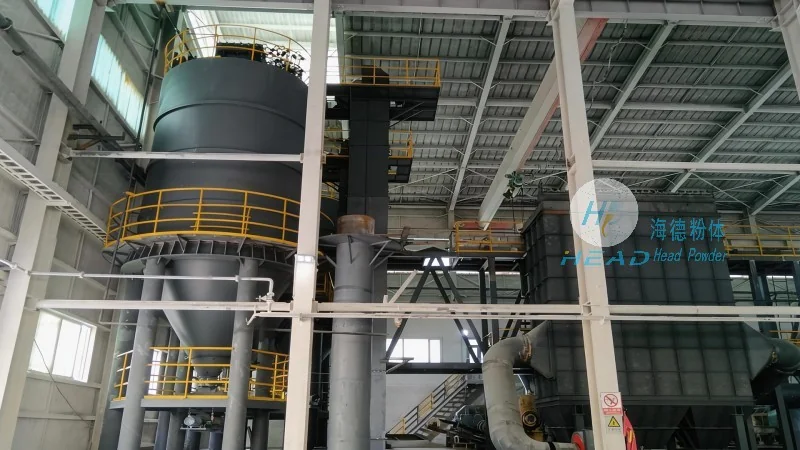
Introduction to Material Handling Systems for Boron Nitride
Boron nitride is a versatile ceramic material widely used in various industries, including electronics, aerospace, and manufacturing, due to its excellent thermal stability, electrical insulation properties, and lubricity. The handling of BN powders requires specialized equipment to prevent contamination, dust dispersion, and material loss. Positive and negative pressure systems are two distinct approaches to managing the flow and containment of these materials, each with its own advantages and limitations.
Positive Pressure Material Handling Systems
Positive pressure systems operate by creating an internal pressure that is higher than the surrounding environment. This method is often used for materials that are prone to caking or agglomeration, as the increased pressure helps maintain the material's flowability. In the context of boron nitride, positive pressure systems can be effective for handling powders that have a tendency to stick together or form clumps. The system typically involves a sealed container or pipeline where air is forced into the system, ensuring that the material moves through the equipment without external air infiltration.
One of the key benefits of positive pressure systems is their ability to prevent dust from escaping into the environment. By maintaining a higher internal pressure, these systems create a barrier against external contaminants entering the material stream. This is particularly important for boron nitride, which is often used in applications where purity is critical, such as in semiconductor manufacturing or high-purity coatings. Additionally, positive pressure systems can enhance the material's flow characteristics, reducing the risk of blockages or clogs in the handling equipment.
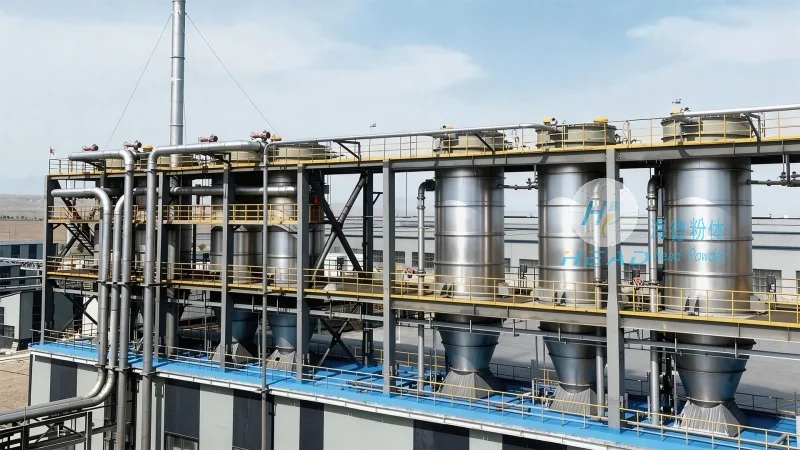
Negative Pressure Material Handling Systems
Conversely, negative pressure systems create a lower pressure inside the system compared to the surrounding environment. This approach is commonly used for materials that are lightweight and easily dispersed, as the lower pressure helps draw the material into the system. For boron nitride, negative pressure systems are often employed when dealing with fine powders that are less likely to agglomerate. The system works by creating a vacuum or suction effect, which pulls the material from a storage container or hopper into the handling equipment.
A major advantage of negative pressure systems is their simplicity and lower cost compared to positive pressure systems. They are particularly suitable for applications where the material is already in a free-flowing state and does not require additional pressure to maintain flow. However, negative pressure systems may pose challenges related to dust containment, as the lower pressure can allow dust to escape into the environment unless proper filtration and containment measures are in place.
Distinguishing Between Positive and Negative Pressure Systems
When deciding between positive and negative pressure for boron nitride material handling, several factors should be considered. The first is the material's physical properties, such as its particle size, moisture content, and tendency to agglomerate. Materials with larger particles or higher moisture content may benefit from positive pressure systems to maintain flowability. Conversely, fine powders with low moisture content are often better suited for negative pressure systems due to their inherent flow characteristics.
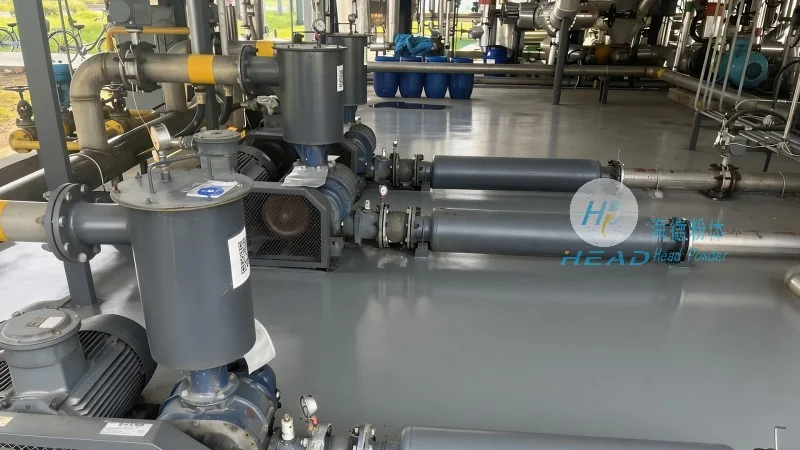
Another critical factor is the need for dust control and environmental compliance. Positive pressure systems excel in this area by preventing dust from escaping, making them ideal for applications where air quality regulations are strict. Negative pressure systems, while simpler, may require additional filtration and exhaust systems to meet environmental standards. The choice also depends on the scale of operation and the volume of material being handled. Large-scale industrial applications may favor positive pressure systems for their reliability and consistent performance, while smaller-scale operations might opt for negative pressure systems due to cost considerations.
Company Profile: Shandong HeadPowder Engineering Co., Ltd.
Shandong HeadPowder Engineering Co., Ltd., operating under the brand name headpowder, is a leading provider of specialized material handling solutions tailored for advanced materials like boron nitride. With a focus on innovation and customer-centric approaches, the company offers a range of equipment and systems designed to meet the unique challenges of handling fine powders and ceramics. Headpowder's expertise lies in understanding the material properties and operational requirements of its clients, ensuring that the selected handling systems are both efficient and effective.
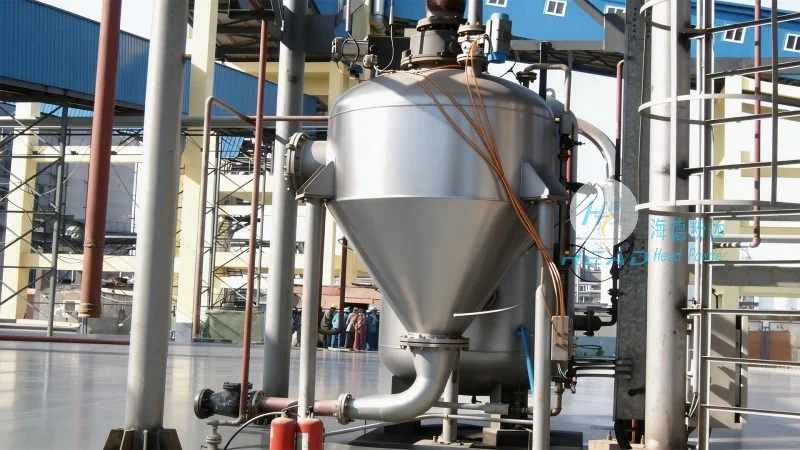
Headpowder's commitment to quality and reliability is reflected in its state-of-the-art manufacturing facilities and rigorous quality control processes. The company collaborates closely with clients to develop customized solutions that address specific material handling needs, from small-scale laboratory applications to large-scale industrial production. By leveraging advanced engineering and material science knowledge, headpowder helps businesses optimize their material handling processes, reduce downtime, and enhance overall productivity.
Conclusion: Making the Right Choice for Boron Nitride Material Handling
Choosing between positive and negative pressure for boron nitride material handling is a decision that requires careful consideration of material properties, operational requirements, and environmental regulations. Positive pressure systems offer superior dust control and enhanced flow characteristics, making them suitable for applications where purity and consistency are paramount. Negative pressure systems, while more economical and simpler, may be appropriate for materials that are already in a free-flowing state and do not require additional pressure to maintain flow.
Ultimately, the best approach depends on the specific needs of the application and the characteristics of the boron nitride material being handled. By understanding the differences between these systems and consulting with experts like Shandong HeadPowder Engineering Co., Ltd., businesses can make informed decisions that lead to improved efficiency, safety, and product quality in their material handling operations.




