High-alumina fly ash is a critical byproduct in industrial processes, often requiring efficient and reliable conveying systems. When it comes to transporting this material, the choice between positive pressure and negative pressure systems becomes a key decision point for facilities. Understanding the distinctions and advantages of each method is essential for optimizing operational efficiency and minimizing costs. This article explores the differences between positive pressure and negative pressure conveying for high-alumina fly ash, providing insights into how to select the most suitable system for your application.
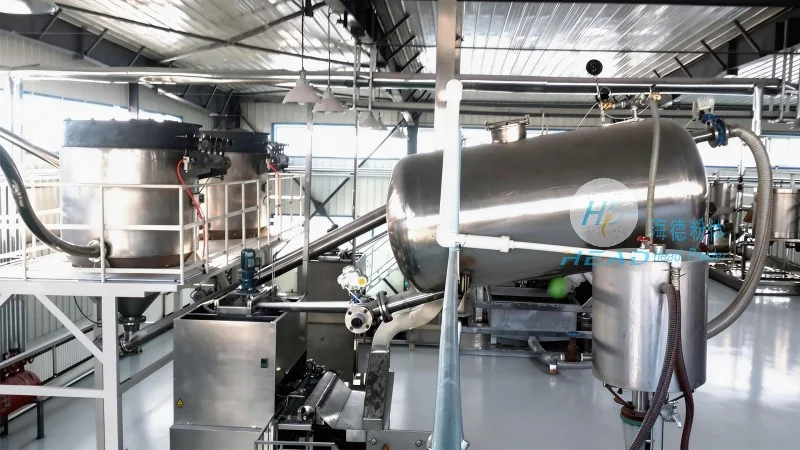
Company Introduction
As a leading provider in the field, Shandong HeadPowder Engineering Co., Ltd., commonly known as HeadPowder, specializes in engineering solutions tailored to the unique challenges of fly ash handling. With a strong presence in China, particularly in Shandong province, HeadPowder leverages years of expertise to deliver customized conveying systems that meet the specific demands of industrial clients.
Positive Pressure Conveying Systems
Positive pressure conveying, also known as pressure-assisted or forced air systems, operates by blowing air or gas into the conveying line to move the material. This method typically uses a positive displacement blower or a rotary lobe blower to generate the necessary pressure. The primary advantage of positive pressure systems is their ability to handle abrasive and high-density materials like high-alumina fly ash, as the high pressure ensures that the material is fully suspended and transported without clogging. Additionally, positive pressure systems are generally more suitable for long-distance conveying and can handle materials with higher moisture content, making them versatile for various industrial applications.
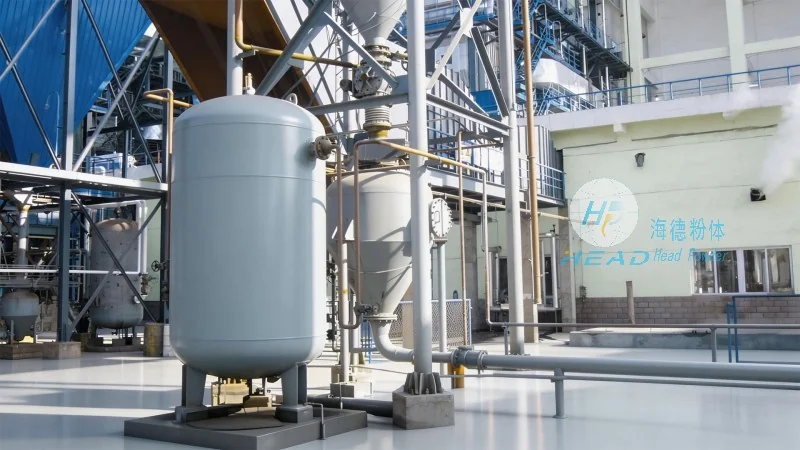
Negative Pressure Conveying Systems
Negative pressure conveying, or vacuum-assisted systems, works by creating a vacuum in the conveying line to draw the material from the source. This method utilizes a vacuum pump to remove air from the line, creating a pressure differential that pulls the material forward. The key benefits of negative pressure systems include lower energy consumption compared to positive pressure systems, as they do not require high-pressure blowers. They are also more effective for short-distance conveying and can handle materials with lower dust generation, making them ideal for applications where noise and energy efficiency are priorities.
How to Differentiate Between Positive and Negative Pressure Systems
The decision between positive and negative pressure conveying for high-alumina fly ash depends on several factors, including the distance of the conveying line, the material's properties (such as density, moisture content, and abrasiveness), and the available space and energy resources. For instance, if the conveying distance is long and the material is highly abrasive, a positive pressure system may be more appropriate due to its superior material handling capabilities. Conversely, for shorter distances and applications where energy efficiency is a top priority, a negative pressure system could be the better choice.
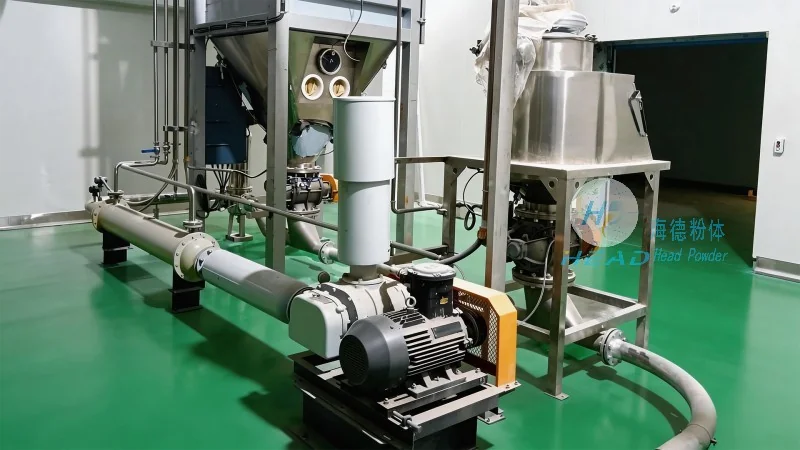
HeadPowder's Customized Solutions
HeadPowder offers comprehensive solutions that integrate both positive and negative pressure technologies, allowing clients to choose the most suitable system based on their specific needs. Our team of engineers works closely with clients to assess their operational requirements, material characteristics, and site constraints to design a customized conveying system. By leveraging advanced engineering and quality materials, HeadPowder ensures that the chosen system operates efficiently, reliably, and with minimal maintenance, ultimately contributing to improved productivity and reduced operational costs for our clients.
Conclusion
In conclusion, selecting the right conveying system for high-alumina fly ash is a critical step in optimizing industrial processes. Whether opting for positive pressure or negative pressure, understanding the operational advantages and limitations of each method is essential. With its expertise and commitment to tailored solutions, Shandong HeadPowder Engineering Co., Ltd. provides the guidance and technology needed to make informed decisions and achieve efficient material handling. By considering factors such as conveying distance, material properties, and energy efficiency, facilities can select the most suitable system to enhance their operations and ensure long-term success.




