Calcium lime, also known as quicklime or calcium oxide, is a critical industrial material widely used in processes such as flue gas desulfurization, water treatment, and chemical manufacturing. The efficient and reliable transportation of calcium lime from storage to processing units is essential for maintaining operational efficiency and reducing material loss. Pneumatic conveying systems have emerged as a preferred solution for handling calcium lime due to their ability to transport powders in a closed system, minimizing dust emissions and ensuring product integrity. This article provides a comprehensive overview of calcium lime pneumatic conveying technology, focusing on the key differences between negative pressure (suction) and positive pressure (blowing) systems, and their practical applications in industrial settings.
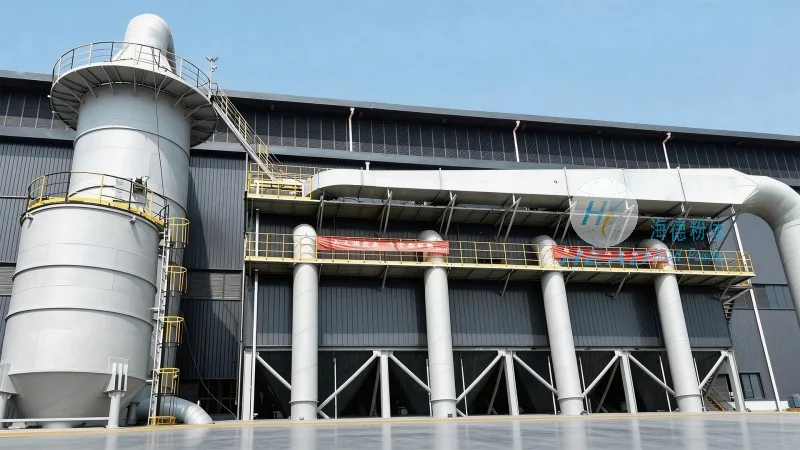
Understanding Pneumatic Conveying Systems for Calcium Lime
Pneumatic conveying systems utilize air or gas to transport bulk materials like calcium lime through a network of pipes. The two primary types of pneumatic conveying systems are negative pressure (suction) and positive pressure (blowing) systems. Each system operates on a different principle, offering distinct advantages and suitable for specific operational requirements.
Negative Pressure (Suction) Pneumatic Conveying Systems
Negative pressure systems operate by creating a vacuum at the material inlet, drawing the calcium lime into the conveying line. The system typically includes a vacuum pump or fan that pulls air and material through the pipe, with the material being separated from the air at the receiving end using a cyclone or filter. This method is particularly effective for applications where the material needs to be transported from a lower elevation to a higher one, or where the material is sensitive to high pressure or temperature. The negative pressure system is also advantageous for handling materials that are prone to caking or agglomeration, as the low pressure environment helps maintain material flowability.
Positive Pressure (Blowing) Pneumatic Conveying Systems
Positive pressure systems, on the other hand, use a blower or compressor to generate high-pressure air that pushes the calcium lime through the conveying line. The material is introduced at the inlet and is carried by the high-velocity air stream to the destination. This system is ideal for applications requiring high transport distances or where the material needs to be delivered to multiple points. Positive pressure systems are also suitable for handling materials that are abrasive or have high moisture content, as the high pressure helps maintain material separation and prevent blockages. However, they may require more robust equipment and higher energy consumption compared to negative pressure systems.
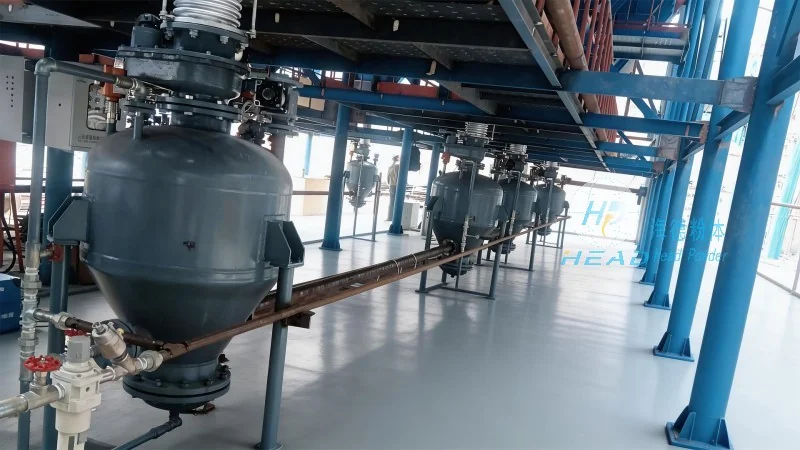
Key Factors in Selecting the Right Pneumatic Conveying System
The choice between negative and positive pressure pneumatic conveying systems for calcium lime depends on several factors, including the material characteristics, transport distance, elevation changes, and operational environment. Material properties such as particle size, density, and moisture content play a crucial role in determining the appropriate system. For example, fine calcium lime powders with high moisture content may benefit from a positive pressure system due to its ability to maintain flowability and prevent clogging. Conversely, larger or more abrasive particles may be better suited for a negative pressure system to minimize wear on equipment.
Applications of Calcium Lime Pneumatic Conveying
Calcium lime pneumatic conveying systems are widely used in various industrial applications. In flue gas desulfurization plants, calcium lime is transported from storage silos to reaction towers to neutralize sulfur dioxide emissions. In water treatment facilities, it is used to adjust pH levels and remove impurities. The systems are also employed in chemical manufacturing processes where calcium lime is used as a raw material for producing other chemicals. The closed-loop design of pneumatic conveying systems ensures that the material is handled safely and efficiently, reducing the risk of dust exposure and environmental contamination.
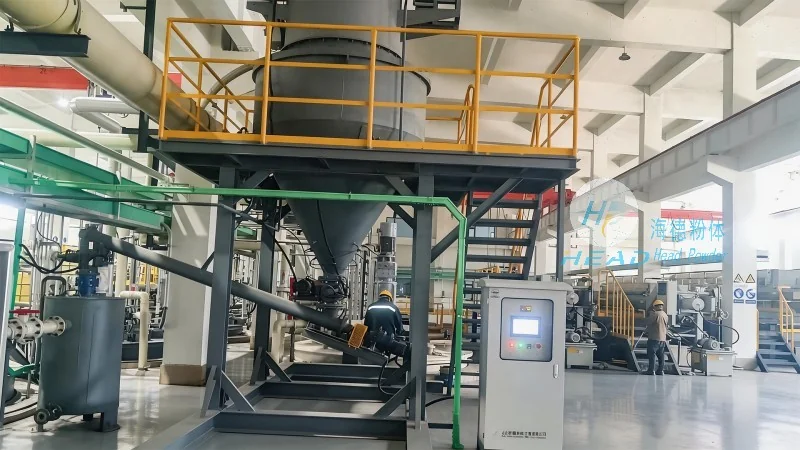
Advantages of Pneumatic Conveying for Calcium Lime
Pneumatic conveying systems offer several advantages over traditional methods like bucket elevators or belt conveyors for transporting calcium lime. The primary advantage is the ability to handle the material in a closed system, which minimizes dust emissions and protects the environment. This is particularly important for calcium lime, which can be a respiratory irritant if inhaled. Additionally, pneumatic conveying systems can transport calcium lime over long distances and at high speeds, improving operational efficiency and reducing downtime. The systems also require less maintenance compared to traditional conveyor systems, as they have fewer moving parts and are less prone to mechanical failures.
Challenges and Solutions in Calcium Lime Pneumatic Conveying
Despite the benefits, pneumatic conveying systems for calcium lime may face challenges such as material buildup in the pipes, clogging, and wear on equipment. To address these issues, manufacturers have developed advanced solutions such as self-cleaning cyclones, anti-wear materials, and automated control systems. These solutions help maintain the efficiency and reliability of the conveying system, ensuring consistent material flow and minimizing downtime. Regular maintenance and monitoring of the system are also essential to prevent issues and extend the lifespan of the equipment.
Conclusion
Pneumatic conveying technology, both negative and positive pressure systems, provides an effective and efficient solution for transporting calcium lime in industrial applications. The choice between the two systems depends on the specific requirements of the operation, including material characteristics, transport distance, and operational environment. By understanding the principles and applications of each system, industrial facilities can select the most suitable pneumatic conveying solution to enhance operational efficiency, reduce costs, and ensure product quality. As the demand for calcium lime continues to grow, the adoption of advanced pneumatic conveying systems will remain crucial for maintaining the competitiveness and sustainability of industrial processes.




