Phosphate iron, a critical raw material in the production of phosphorus-based fertilizers and other industrial chemicals, requires efficient and reliable transport methods to ensure smooth production processes. Pneumatic conveying systems have emerged as a preferred solution for handling phosphate iron due to their ability to transport bulk materials over long distances with minimal maintenance and operational complexity. This article explores the different types of pneumatic conveying systems used in phosphate iron transport and their practical applications, highlighting the advantages and considerations for each system.
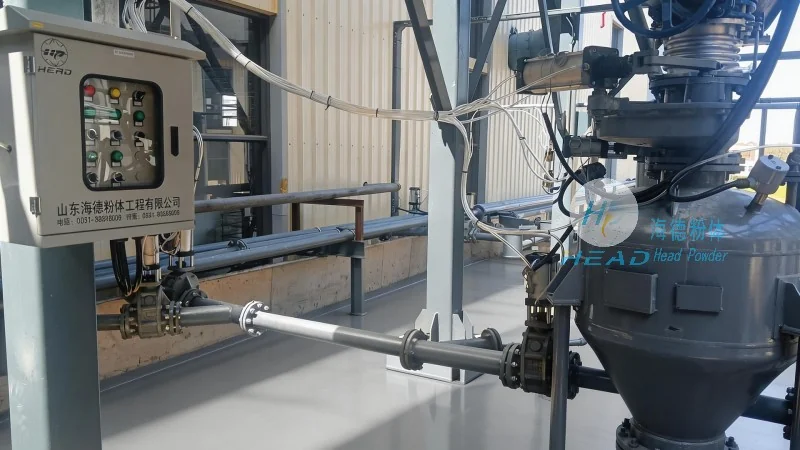
Types of Pneumatic Conveying Systems
There are primarily two main categories of pneumatic conveying systems: pressure and vacuum systems. Each type has distinct characteristics and is suitable for different operational conditions and material properties.
1. Pressure Pneumatic Conveying Systems: These systems use compressed air to push the material through a pipeline. They are typically used for short to medium distances and for materials that are non-abrasive or have low moisture content. The compressed air is introduced at the material inlet, creating a high-pressure environment that propels the material forward. Pressure systems are known for their high conveying capacity and ability to handle large volumes of material efficiently. They are commonly used in phosphate iron processing plants where the material needs to be transported from storage silos to processing units.
2. Vacuum Pneumatic Conveying Systems: In contrast, vacuum systems use a vacuum to draw the material into the pipeline. This method is ideal for applications requiring material to be transported from multiple points or over longer distances, especially when the material is sensitive to pressure or when the source and destination are at different elevations. The vacuum is created by a fan or ejector at the receiving end, and the material is pulled through the pipeline by the pressure differential. Vacuum systems are often preferred for handling fine or dusty materials like phosphate iron, as they can maintain a consistent flow without causing excessive wear on the system components.
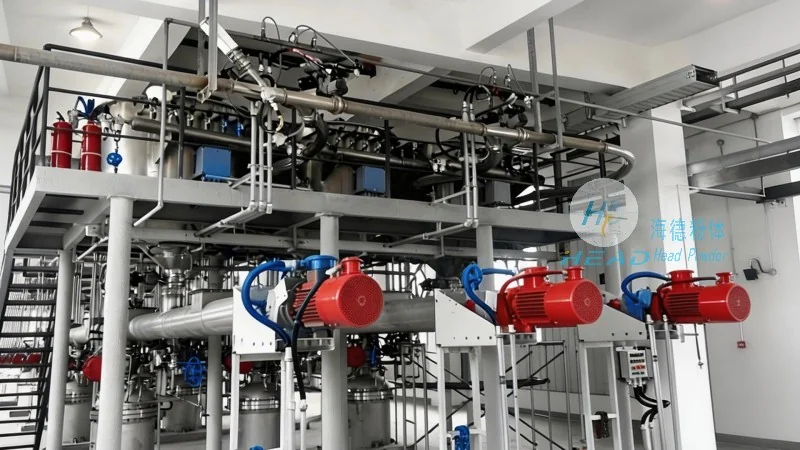
Practical Applications in Phosphate Iron Processing
The choice of pneumatic conveying system depends on the specific requirements of the phosphate iron processing plant, including the distance between the source and destination, the material characteristics, and the desired throughput. Below are some practical applications where these systems are commonly employed:
1. Transport from Storage Silos to Processing Units: In large-scale phosphate iron production facilities, raw phosphate iron is stored in bulk silos. Pneumatic conveying systems, particularly pressure systems, are used to transfer the material from the silos to the grinding or crushing units. This method ensures a continuous supply of material to the processing line without the need for manual handling or intermediate storage, which can reduce operational costs and improve safety.
2. Material Transfer Between Processing Stages: During the production of phosphate iron, the material may undergo several processing steps, such as drying, grinding, and classification. Pneumatic conveying systems are used to move the material between these stages, ensuring that each step receives the correct material in the required quantity. For example, after the material is dried, it may be conveyed to a grinding mill using a vacuum system to avoid dust exposure and maintain a consistent moisture level.
3. Delivery to Packaging or Shipping Areas: Once the phosphate iron has been processed into a final product, it needs to be transported to packaging or shipping facilities. Pneumatic conveying systems can be used to deliver the material directly to the packaging line, reducing the need for manual handling and minimizing the risk of material contamination. This is especially important for products that require high purity and low dust levels, such as food-grade or industrial-grade fertilizers.
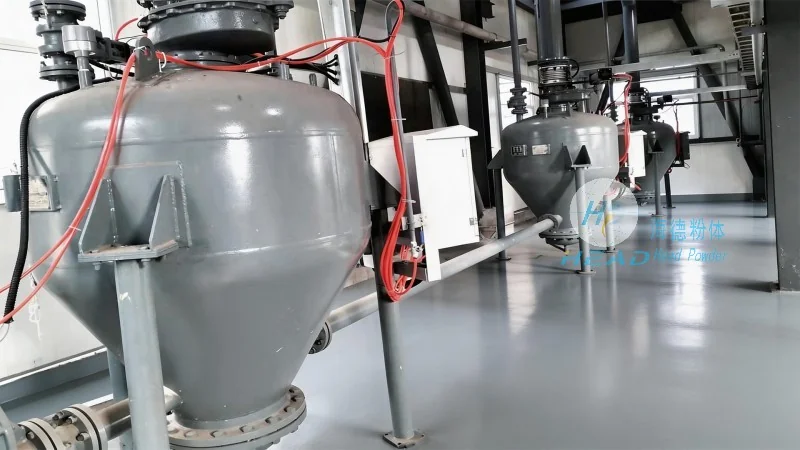
Advantages and Considerations
Both pressure and vacuum pneumatic conveying systems offer several advantages for phosphate iron transport, including high efficiency, low maintenance, and the ability to handle large volumes of material. However, there are also considerations that need to be taken into account when selecting a system. For instance, pressure systems may require more energy to operate compared to vacuum systems, but they can handle higher material loads. Vacuum systems, on the other hand, are better suited for fine materials and longer distances but may have lower conveying capacities.
Another important consideration is the material's properties, such as its abrasiveness and moisture content. Abrasive materials can cause wear on the system components, requiring the use of high-quality materials for the pipelines and valves. Moisture content can affect the material's flow characteristics and may require additional drying steps before or during the conveying process.
Conclusion
Pneumatic conveying systems are a vital component in the efficient and safe transport of phosphate iron in modern industrial processes. By understanding the different types of systems and their practical applications, processing plants can select the most suitable solution to meet their operational needs. The use of these systems not only improves production efficiency but also enhances safety and reduces operational costs. As the demand for phosphate iron continues to grow, the importance of reliable and efficient transport systems will only increase, making pneumatic conveying an essential technology in the industry.




