HeadPowder, a leading engineering company based in Shandong, China, specializes in the design and implementation of efficient pneumatic conveying systems tailored for the transport of clay sand. This article explores the various types of pneumatic conveying systems used in this industry and their practical applications, providing insights into how these systems enhance operational efficiency and material handling capabilities.
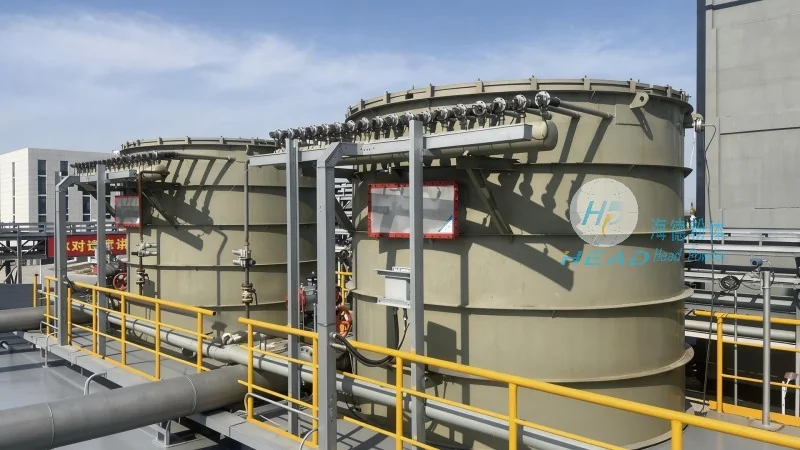
Types of Pneumatic Conveying Systems for Clay Sand
There are several key types of pneumatic conveying systems commonly employed in the transportation of clay sand, each with distinct characteristics and suitability for different operational requirements. The primary categories include:
1. Positive Pressure Systems: These systems operate by generating positive pressure within the conveying line, typically using a blower or fan to push the material forward. Positive pressure systems are ideal for long-distance transport and are often used when the material is abrasive or has a high moisture content, as they can handle more challenging material properties without excessive wear on components.
2. Negative Pressure (Vacuum) Systems: In contrast, negative pressure systems create a vacuum in the conveying line, drawing the material from the source and pulling it towards the destination. These systems are well-suited for short to medium distances and are commonly used in applications where the material is lightweight or requires gentle handling to prevent degradation.
3. Combination (Positive/Negative) Systems: Some applications may benefit from a hybrid approach, combining elements of both positive and negative pressure systems. This allows for flexibility in handling varying material characteristics and operational conditions, such as transporting materials over mixed distances or dealing with changes in material flow rates.
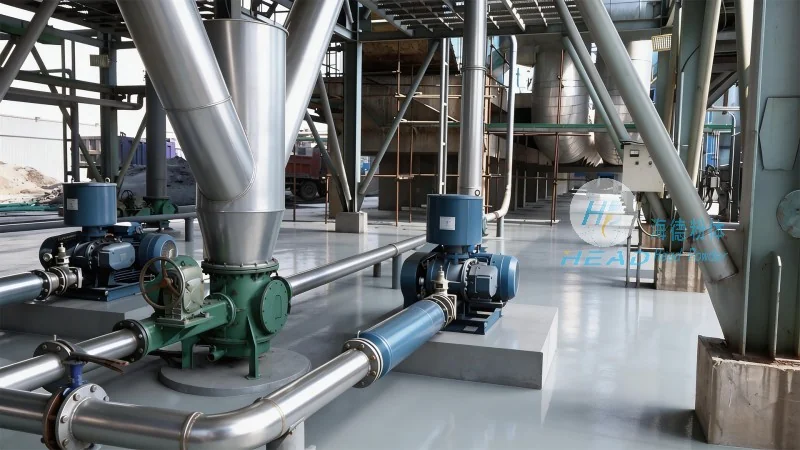
Practical Applications in Clay Sand Handling
The selection of an appropriate pneumatic conveying system depends heavily on the specific requirements of the clay sand handling process. Below are some practical applications where these systems are widely utilized:
1. Foundry Operations: In foundries, clay sand is often used as a refractory material or for mold making. Pneumatic conveying systems enable the efficient transport of clay sand from storage silos to the molding or casting areas, ensuring consistent material supply and reducing manual handling risks. The systems are designed to handle the abrasive nature of clay sand, minimizing equipment wear and extending service life.
2. Construction Material Processing: Clay sand is also used in the production of building materials, such as bricks or concrete additives. Pneumatic conveying systems facilitate the transport of raw clay sand from quarries or storage facilities to processing plants, streamlining the production workflow. These systems help maintain material quality by preventing contamination and ensuring uniform material distribution.
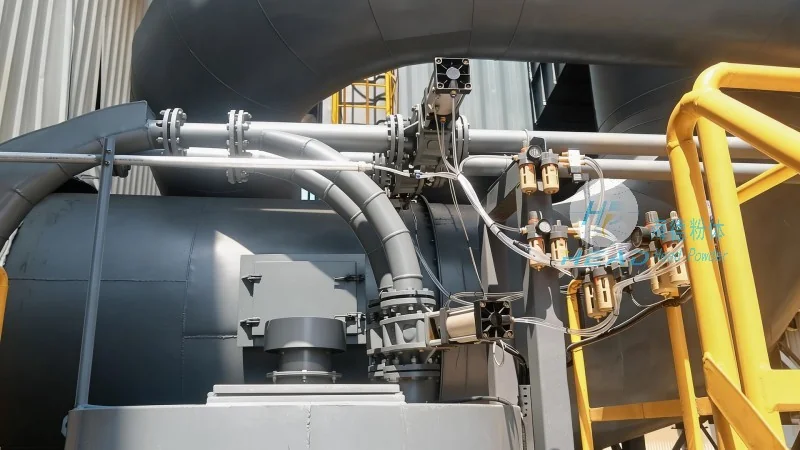
3. Environmental and Waste Management: In some industrial settings, clay sand may be used for environmental remediation or as a component in waste treatment processes. Pneumatic conveying systems can efficiently transport clay sand to treatment facilities or disposal sites, supporting sustainable waste management practices. The systems are designed to handle materials with varying moisture levels and particle sizes, ensuring reliable operation in diverse environmental conditions.
Key Considerations for System Selection
When choosing a pneumatic conveying system for clay sand transport, several factors must be considered to ensure optimal performance and longevity. These include:
1. Material Properties: The characteristics of the clay sand, such as particle size, moisture content, and abrasiveness, directly impact the system design. For example, highly abrasive materials may require more robust components, such as wear-resistant liners and specialized valves, to prevent premature failure.
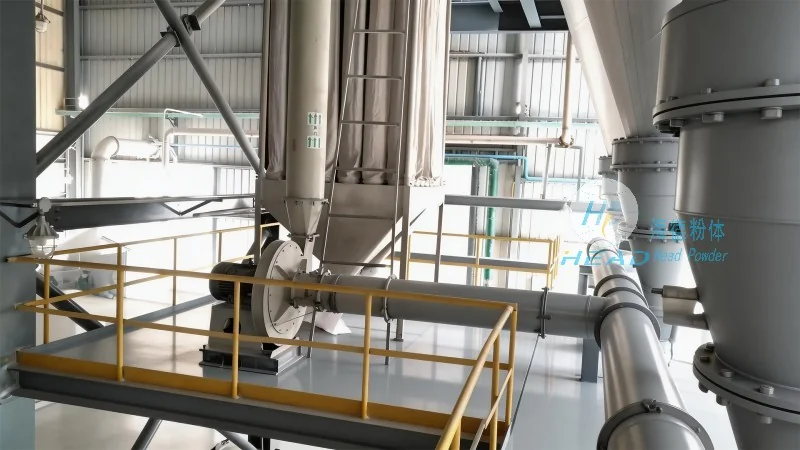
2. Transport Distance and Layout: The distance and layout of the conveying route influence the choice between positive and negative pressure systems. Longer distances typically favor positive pressure systems due to their ability to maintain pressure over extended lengths, while shorter distances may allow for negative pressure systems or hybrid configurations.
3. Operating Environment: The environmental conditions, including temperature, humidity, and presence of dust or contaminants, must be considered. Proper sealing and filtration are essential to maintain system efficiency and prevent material degradation or equipment damage.
4. System Maintenance and Reliability: The ease of maintenance and overall reliability of the system are critical factors, especially in continuous production environments. Systems with modular components and accessible maintenance points can reduce downtime and operational costs.
Conclusion
HeadPowder Engineering Co., Ltd., based in Shandong, China, offers comprehensive solutions for pneumatic conveying systems tailored to the unique needs of clay sand transport. By understanding the different types of systems and their practical applications, industries can select the most suitable technology to enhance efficiency, reduce costs, and ensure safe material handling. The company’s expertise in engineering and system design ensures that clients receive customized solutions that meet their specific operational requirements, supporting long-term success in clay sand processing and handling.




