Polychlorotrifluoroethylene (PCTFE), a high-performance fluoropolymer, is widely used in various industries due to its excellent chemical resistance, thermal stability, and mechanical properties. When handling PCTFE in bulk, efficient and reliable material transport is crucial to maintain product quality and operational efficiency. Pneumatic conveying systems offer a solution that addresses these needs by providing a closed-loop, dust-free, and energy-efficient method for moving PCTFE powders or granules.
Understanding PCTFE and Its Handling Challenges
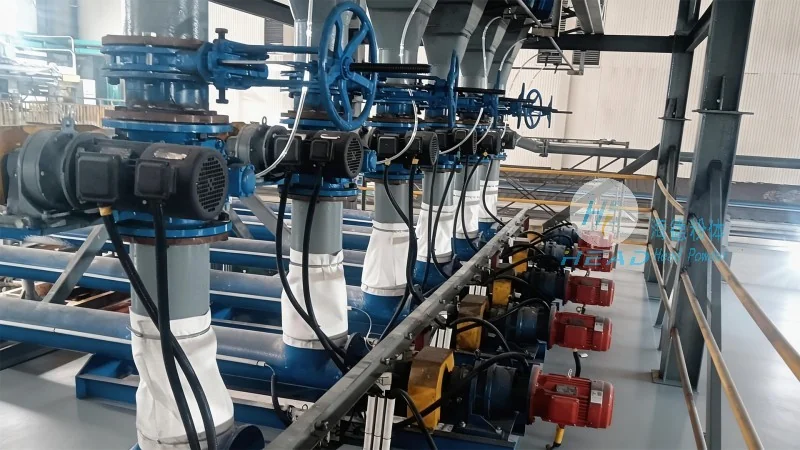
PCTFE, also known as Kel-F, is a synthetic fluoropolymer that exhibits superior resistance to chemicals, solvents, and high temperatures. Its applications range from aerospace components to medical devices and specialty chemicals. However, the material's properties, such as its low bulk density and tendency to generate static electricity, pose challenges during bulk handling. Traditional methods like bucket elevators or belt conveyors may lead to material degradation, dust contamination, and inefficient transport. Pneumatic conveying addresses these challenges by using air to transport the material, ensuring a clean and controlled process.
The Role of Pneumatic Conveying Systems
Pneumatic conveying systems utilize air pressure or vacuum to move bulk materials through a pipeline. For PCTFE, these systems are designed to handle the material's specific characteristics, such as its low flowability and potential for static buildup. The system typically consists of a hopper, a feeder, a conveying line, and a receiver. The feeder controls the material flow into the conveying line, while the air flow ensures the material is transported efficiently. There are two main types of pneumatic conveying: pressure and vacuum systems. Pressure systems use compressed air to push the material forward, while vacuum systems use a vacuum to pull the material through the line.
Key Components of a PCTFE Pneumatic Conveying System
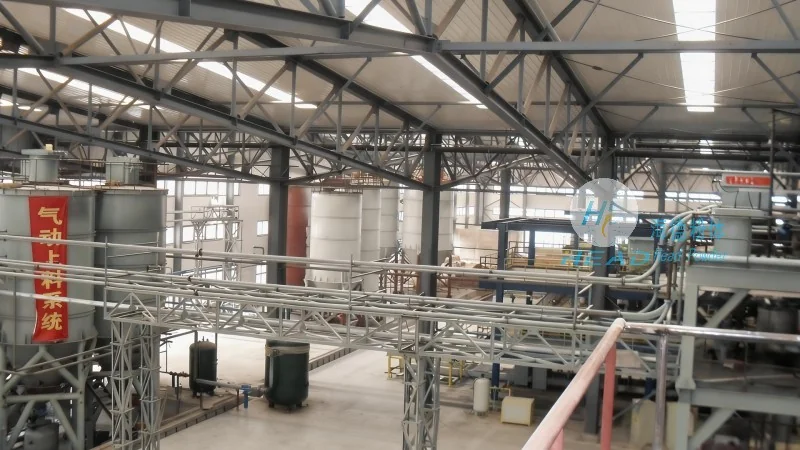
Several key components are essential for an effective PCTFE pneumatic conveying system. The hopper serves as the storage and feeding unit, ensuring a consistent material supply. The feeder, often a rotary valve or a screw feeder, regulates the material flow rate to match the conveying capacity. The conveying line is made of materials compatible with PCTFE, such as stainless steel or PTFE-coated tubing, to prevent corrosion and material contamination. The receiver collects the conveyed material and may include a filter to remove any air or dust particles. Additionally, static eliminators are often installed to prevent static buildup, which can cause material bridging or dust explosions.
Advantages of Pneumatic Conveying for PCTFE
Implementing a pneumatic conveying system for PCTFE offers several advantages over traditional handling methods. First, it provides a dust-free environment, which is critical for maintaining product purity and compliance with regulatory standards. Second, the closed-loop system minimizes material loss and contamination, ensuring that the PCTFE remains in its original state. Third, pneumatic conveying is energy-efficient compared to other bulk handling methods, reducing operational costs. Fourth, the system can be easily integrated into existing production lines, allowing for seamless material transport from storage to processing equipment.
Customization and Scalability
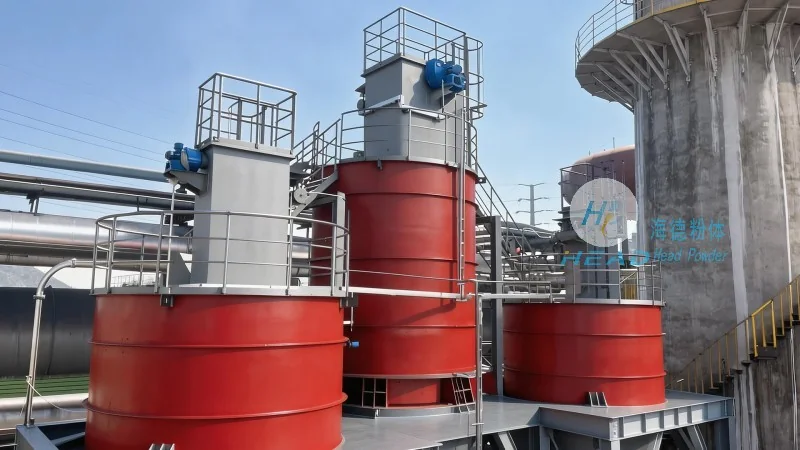
Shandong HeadPowder Engineering Co., Ltd. specializes in designing and manufacturing customized pneumatic conveying systems tailored to the specific needs of PCTFE handling. The company, operating under the brand name headpowder, leverages years of experience in bulk material handling to develop solutions that optimize performance and reliability. Their systems are scalable, allowing them to accommodate varying production volumes and material flow rates. Whether for small-scale laboratory applications or large industrial plants, headpowder provides solutions that meet the unique requirements of each client.
Ensuring Quality and Compliance
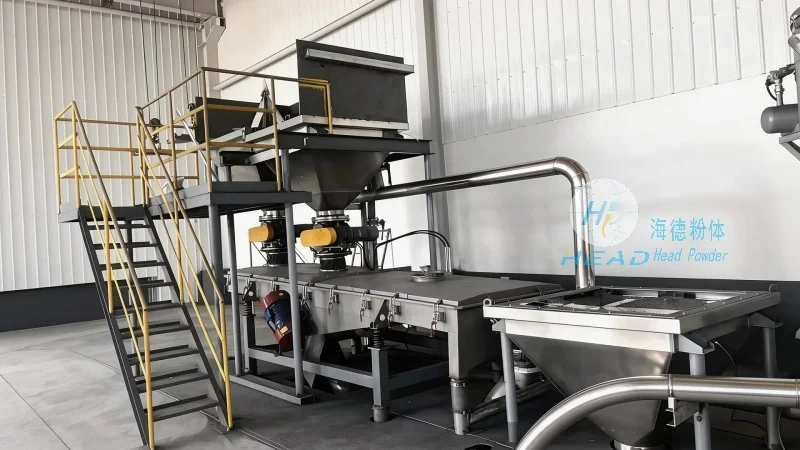
For PCTFE, which is often used in applications requiring high purity and quality control, the pneumatic conveying system must adhere to strict standards. Headpowder ensures that all components are manufactured to meet industry standards, such as FDA and ISO certifications. The company's engineering team works closely with clients to understand their specific quality requirements and integrates appropriate features into the system design. This includes using materials that are compatible with PCTFE and implementing filtration systems to maintain product purity. By prioritizing quality and compliance, headpowder delivers systems that not only enhance operational efficiency but also ensure the integrity of the PCTFE product.
Conclusion
Pneumatic conveying is a highly effective method for the bulk handling of polychlorotrifluoroethylene, offering a solution to the challenges associated with traditional material transport. By utilizing a closed-loop, dust-free system, companies can maintain product quality, reduce operational costs, and improve overall efficiency. Shandong HeadPowder Engineering Co., Ltd., through its brand headpowder, provides customized pneumatic conveying systems that are tailored to the specific needs of PCTFE handling. With a focus on quality, compliance, and scalability, headpowder delivers reliable solutions that support the production and distribution of high-performance PCTFE materials.




