

Types, Features, and Applications of Pneumatic Conveying for Aluminum Turnings
HeadPowder, a leading manufacturer in the field of material handling solutions, specializes in the design and implementation of pneumatic conveying systems tailored for aluminum turnings. This article provides an in-depth exploration of the different types of pneumatic conveying systems used for aluminum turnings, their key features, and the diverse applications where these systems are effectively utilized.
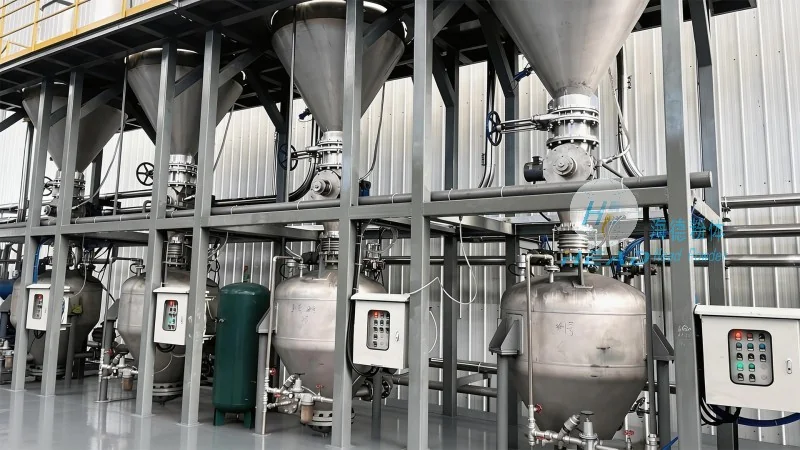
Overview of Pneumatic Conveying Systems for Aluminum Turnings
Pneumatic conveying systems are widely used in industrial settings to transport aluminum turnings efficiently and safely. These systems utilize air or gas as the conveying medium to move bulk materials through a pipeline network. For aluminum turnings, which are typically small, lightweight, and often have a high value, the choice of the right pneumatic conveying system is crucial for optimizing production processes and minimizing operational costs.
Types of Pneumatic Conveying Systems for Aluminum Turnings
There are primarily two main types of pneumatic conveying systems commonly employed for aluminum turnings: aspiration (or vacuum) systems and pressure (or blow) systems. Each type has distinct characteristics and is suitable for different operational requirements.
Aspiration (Vacuum) Pneumatic Conveying Systems
Aspiration systems operate by creating a negative pressure (vacuum) at the inlet of the conveying line. This negative pressure draws the aluminum turnings from the source into the pipeline. These systems are particularly effective for short to medium-distance conveying and are often used in applications where the material is to be collected from multiple points or where the material source is at a lower elevation than the destination.
Pressure (Blow) Pneumatic Conveying Systems
Pressure systems, on the other hand, generate positive pressure within the pipeline to push the aluminum turnings from the source to the destination. These systems are generally more suitable for longer conveying distances and can handle higher material loads compared to aspiration systems. They are often preferred when the material source is at a higher elevation or when the conveying distance exceeds the typical range of aspiration systems.
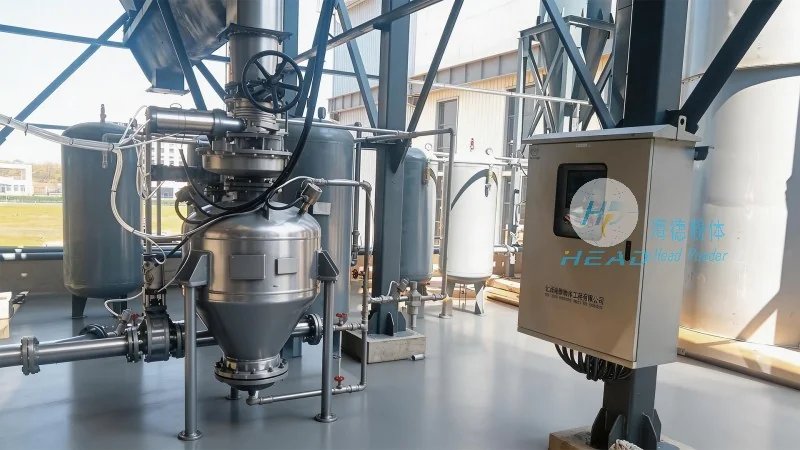
Key Features of Pneumatic Conveying Systems for Aluminum Turnings
Regardless of the type, modern pneumatic conveying systems for aluminum turnings are equipped with several key features that enhance their performance and reliability. These features include:
1. High Efficiency and Low Maintenance: Advanced materials and design ensure minimal wear and tear, reducing maintenance requirements and operational downtime.
2. Customizable Conveying Capacity: Systems can be tailored to handle varying volumes of aluminum turnings, from small batches to continuous high-volume production.
3. Energy Efficiency: Optimized air flow management and efficient motor control contribute to lower energy consumption compared to traditional mechanical conveying methods.
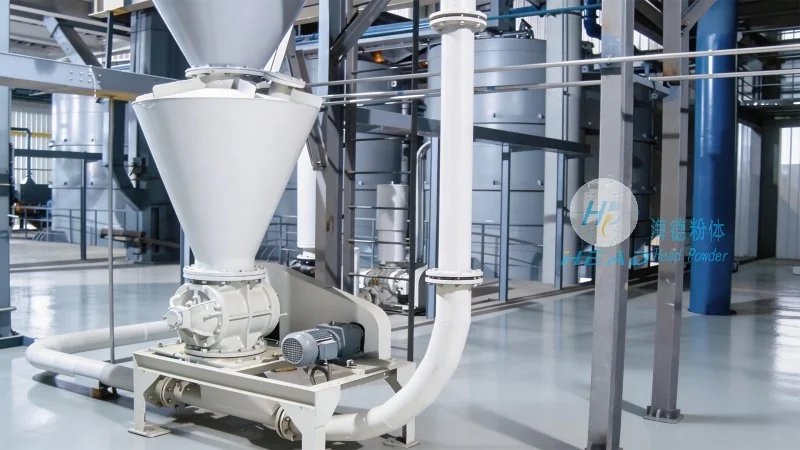
4. Safe and Clean Operation: Enclosed systems prevent dust and metal particles from escaping into the environment, ensuring a safe working environment and compliance with environmental regulations.
Application Ranges of Pneumatic Conveying Systems for Aluminum Turnings
Pneumatic conveying systems for aluminum turnings find applications across various industries, including:
1. Aluminum Processing Plants: Used for transporting aluminum turnings from grinding or machining operations to storage or further processing stages.
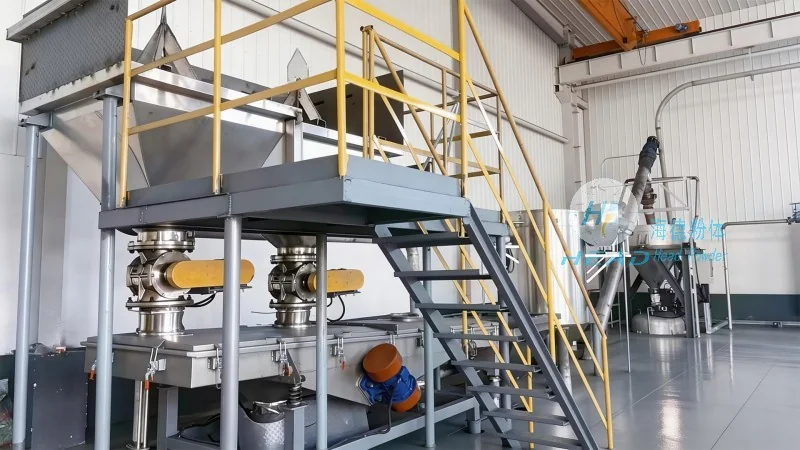
2. Foundries and Casting Operations: Employed to move aluminum turnings from collection points to melting furnaces, ensuring a consistent supply of raw material.
3. Recycling Facilities: Utilized in aluminum recycling processes to convey shredded or turned aluminum materials to sorting and melting equipment.
4. Manufacturing and Assembly Lines: Integrated into production lines to transfer aluminum turnings between different stages of manufacturing, such as from machining to polishing or coating.
Conclusion
HeadPowder Engineering Co., Ltd., based in Shandong, China, offers comprehensive pneumatic conveying solutions for aluminum turnings. By understanding the different types, features, and applications of these systems, industries can select the most appropriate solution to enhance operational efficiency, reduce costs, and ensure safe and reliable material handling. The company's expertise in designing and implementing customized systems ensures that clients receive tailored solutions that meet their specific production needs.