Graphite pneumatic conveying systems represent a specialized category of material handling technology, designed to transport graphite powders and related materials efficiently and safely. As a key component in various industrial processes, these systems are engineered to meet the unique demands of graphite applications, which often involve high purity requirements and precise control over material flow. Understanding the different types, key features, and broad application ranges of such systems is crucial for industries relying on graphite, including manufacturing, chemical processing, and specialized material production.
Introduction to Graphite Pneumatic Conveying Systems
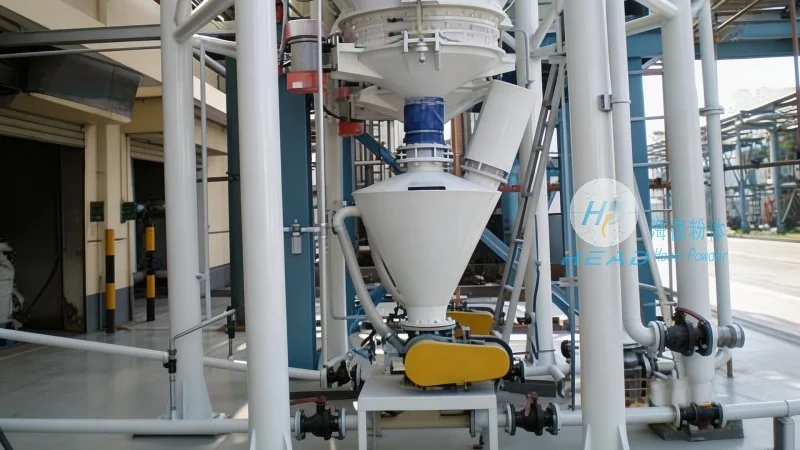
Graphite, a versatile and widely used material in industries ranging from electronics to refractory manufacturing, requires specialized handling methods due to its fine particle size and potential for dust generation. Pneumatic conveying systems offer an effective solution by utilizing air pressure to move graphite materials through pipelines, minimizing contamination and ensuring consistent flow. The systems are typically designed to maintain the integrity of the graphite, preserving its quality for downstream processes. This overview will explore the primary types of graphite pneumatic conveying systems, their defining characteristics, and the diverse applications where they are employed.
Key Types of Graphite Pneumatic Conveying Systems
There are several distinct types of graphite pneumatic conveying systems, each tailored to specific operational needs and material characteristics. The most common categories include dilute phase and dense phase systems, which differ primarily in the velocity and concentration of the material being conveyed. Dilute phase systems operate at higher air velocities, typically moving material in a suspended state, making them suitable for long-distance and high-volume transport. Dense phase systems, on the other hand, use lower air velocities and higher material concentrations, ensuring a more controlled and gentle handling of the graphite, which is particularly important for preventing particle degradation or agglomeration.
Another classification is based on the direction of material flow, with vertical and horizontal systems being the most prevalent. Vertical systems are ideal for applications where the material needs to be lifted vertically, such as in processing plants where raw materials are stored at ground level and processed at elevated levels. Horizontal systems, conversely, are used for horizontal transport, often in production lines where the material moves from one processing stage to another. Additionally, some systems incorporate vacuum operation, which is advantageous for handling materials that are difficult to move by positive pressure or for applications requiring a closed-loop system to minimize environmental impact.
Core Features and Advantages of Graphite Pneumatic Conveying Systems
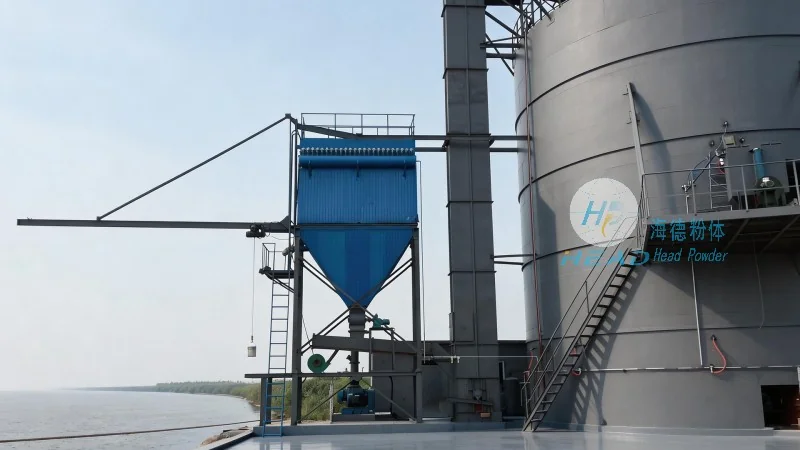
The effectiveness of graphite pneumatic conveying systems is rooted in several key features that address the unique challenges of graphite handling. One of the most significant advantages is the ability to maintain a clean and dust-free environment, as the system operates within enclosed pipelines, preventing contamination from external sources. This is critical for industries where graphite purity is paramount, such as in the production of high-performance electronic components or specialized refractory materials. Additionally, these systems offer precise control over material flow rates, allowing for accurate dosing and integration with automated production lines. The gentle handling of the material minimizes particle breakage or agglomeration, preserving the physical properties of the graphite, which can affect its performance in end-use applications.
Another notable feature is the flexibility in system design, which can be customized to accommodate varying production volumes and material types. This adaptability makes graphite pneumatic conveying systems suitable for both small-scale laboratory applications and large-scale industrial operations. The systems also tend to be compact and space-efficient, reducing the footprint required for material handling infrastructure. Furthermore, the use of air as the conveying medium eliminates the need for mechanical components like conveyors or buckets, which can introduce wear and tear or contamination risks. This results in lower maintenance requirements and longer system lifespans.
Application Ranges of Graphite Pneumatic Conveying Systems
Graphite pneumatic conveying systems find widespread application across multiple industries due to their ability to handle graphite materials efficiently and reliably. In the electronics industry, these systems are used to transport graphite powders for the production of printed circuit boards (PCBs), where precise control over material distribution is essential. The systems ensure that the graphite is evenly distributed on the PCB substrate, contributing to the quality and performance of the final product. In the chemical processing sector, graphite is often used as a lubricant or additive in various formulations, and pneumatic conveying systems facilitate the integration of these materials into production processes, maintaining consistent quality and reducing downtime.
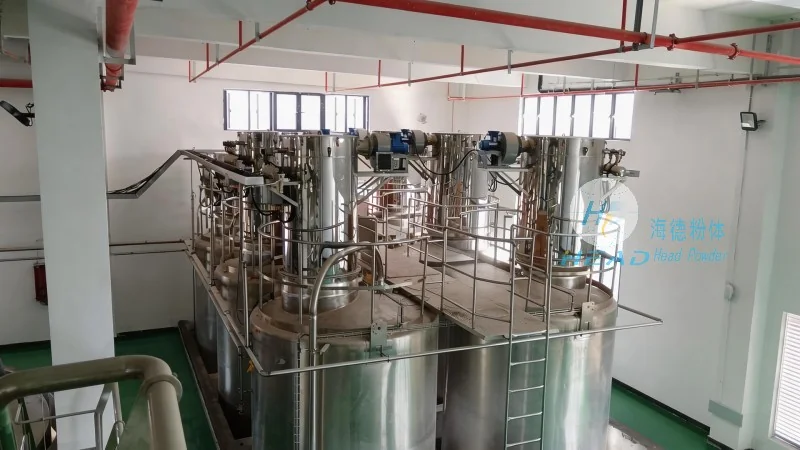
In the refractory manufacturing industry, graphite is a key component in the production of high-temperature materials, such as furnace linings and crucibles. The systems are used to transport graphite powders from storage to mixing and molding stages, ensuring that the material is handled without degradation. This is crucial for maintaining the refractory properties of the final product, which must withstand extreme temperatures and chemical exposure. Additionally, in the battery manufacturing industry, graphite is used as an anode material in lithium-ion batteries, and pneumatic conveying systems are employed to deliver the graphite powder to the production line, where it is processed into electrode materials. The systems help maintain the purity and consistency of the graphite, which directly impacts the performance and lifespan of the batteries.
Other applications include the pharmaceutical and cosmetics industries, where graphite is used as a filler or additive in certain products. The systems ensure that the graphite is introduced into the production process in a controlled manner, preventing contamination and ensuring product quality. In research and development settings, small-scale graphite pneumatic conveying systems are used for laboratory-scale experiments, allowing scientists to test different processing parameters and material combinations. These systems provide a reliable method for handling fine graphite powders, supporting innovation and product development in various fields.
Conclusion
Graphite pneumatic conveying systems are essential tools for industries that rely on the efficient and safe handling of graphite materials. By understanding the different types, key features, and broad application ranges of these systems, businesses can select the most appropriate solution to meet their operational needs. The systems offer advantages such as contamination control, precise flow management, and gentle material handling, all of which contribute to improved product quality and operational efficiency. As the demand for high-purity graphite continues to grow in various industries, the role of specialized pneumatic conveying systems will remain critical in ensuring that graphite materials are handled effectively and reliably. For companies operating in these sectors, investing in a well-designed graphite pneumatic conveying system is a strategic decision that can enhance productivity and maintain competitive advantage.




