When it comes to the efficient and reliable transportation of ceramic powder, the selection of an appropriate air-pneumatic conveying system is crucial. These systems are designed to handle the unique properties of ceramic powders, ensuring minimal degradation and optimal performance. The main air-pneumatic conveying structures for ceramic powder applications typically include several key components and configurations that are tailored to meet specific operational requirements. HeadPowder, a leading provider of engineering solutions for powder handling, specializes in designing and implementing these systems to meet the diverse needs of the ceramic industry.
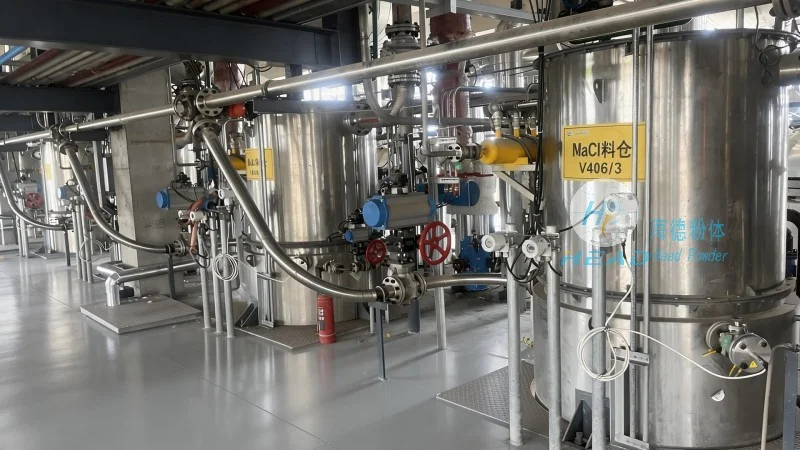
Dilute Phase Conveying Systems
Dilute phase conveying systems are among the most common structures used for ceramic powder transport. These systems operate by introducing the powder into a high-velocity air stream, which suspends the particles and transports them through the pipeline. The primary advantage of dilute phase systems is their ability to handle long distances and high flow rates with relatively low pressure drops. For ceramic powders, this method is particularly effective as it minimizes particle agglomeration and maintains the powder's quality. The system typically consists of a feeding device, a conveying pipeline, a separation unit, and a dust collection system. The feeding device ensures a consistent and controlled introduction of the ceramic powder into the air stream, while the separation unit, often a cyclone or bag filter, separates the powder from the air before it is discharged or recirculated. This structure is ideal for applications where the powder needs to be transported over significant distances or where high throughput is required.
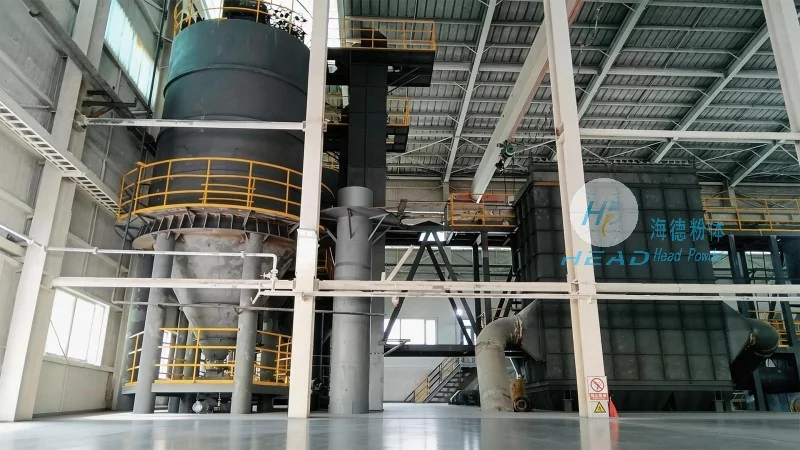
Dense Phase Conveying Systems
Dense phase conveying systems represent another critical structure for ceramic powder handling. Unlike dilute phase systems, dense phase systems operate at lower air velocities, resulting in a higher powder concentration in the pipeline. This method is particularly beneficial for handling abrasive or sensitive ceramic powders, as it reduces particle impact and friction, thereby minimizing wear on the system components and preserving the powder's integrity. The dense phase system usually includes a positive displacement blower or compressor to generate the necessary pressure, a conveying line, and a control valve to regulate the flow. The lower velocity in dense phase conveying also allows for the transportation of powders with higher moisture content or those that are prone to caking. This structure is often preferred in applications where the ceramic powder needs to be delivered to a specific location with minimal degradation, such as in the production of ceramic tiles or sanitary ware.
Vacuum Conveying Systems
Vacuum conveying systems are a specialized air-pneumatic structure used for the collection and transport of ceramic powder from various sources, such as hoppers or storage silos. These systems operate by creating a vacuum in the pipeline, which draws the powder into the system. The primary advantage of vacuum conveying is its ability to handle powders in a closed environment, preventing dust emissions and ensuring a clean working area. The structure typically includes a vacuum pump, a collection hopper, a conveying line, and a filter system. The vacuum pump generates the negative pressure required to pull the powder from the source, while the filter system captures any fine particles to prevent contamination. This method is particularly useful when the ceramic powder needs to be transferred from a remote or elevated location, as the vacuum can effectively pull the material over short to medium distances. Vacuum conveying is also suitable for handling powders that are sensitive to air exposure or those that require a gentle handling process.
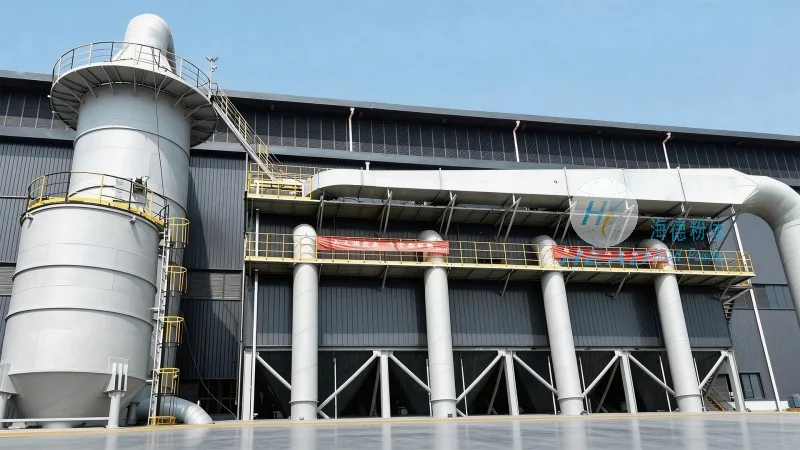
Hybrid Conveying Systems
Hybrid conveying systems combine elements of both dilute and dense phase technologies to provide a versatile solution for ceramic powder transport. These systems are designed to offer the benefits of both methods, allowing for flexibility in handling different types of ceramic powders and operational conditions. A hybrid system may use a dilute phase for the initial transport of the powder and then transition to a dense phase for the final delivery, or it may operate with varying air velocities to optimize performance. The structure of a hybrid system typically includes a combination of components from both dilute and dense phase systems, such as a blower for the initial phase and a positive displacement pump for the dense phase. This approach allows for the efficient handling of a wide range of ceramic powders, from fine powders that require gentle handling to coarser powders that can tolerate higher velocities. Hybrid systems are particularly advantageous in applications where the process requires multiple transport stages or where the powder characteristics change during the conveying process.




