For those in the agricultural and processing industries, especially those dealing with rice handling, understanding the mechanics of rice pneumatic conveying is crucial. This technology, often referred to as a powder handling system, revolutionizes how bulk materials like rice are transported efficiently and safely. In this article, we delve into the fundamental principles behind rice pneumatic conveying, exploring how it operates and why it has become a preferred method in modern processing facilities.
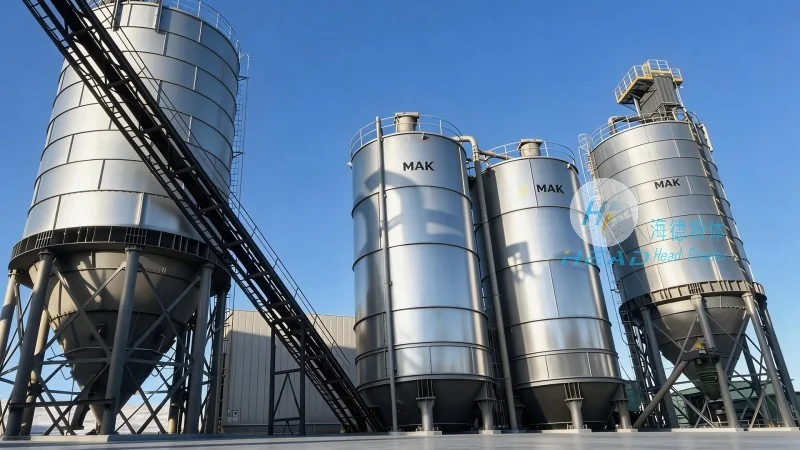
Introducing HeadPowder: Your Expert in Pneumatic Conveying Solutions
At Shandong HeadPowder Engineering Co., Ltd., we specialize in designing and manufacturing advanced pneumatic conveying systems tailored to the unique needs of rice processing. Based in Shandong, China, our company has built a reputation for delivering reliable, efficient, and cost-effective solutions that enhance productivity and reduce operational challenges in rice handling operations. Our expertise spans from initial system design to installation and maintenance, ensuring that every client receives a customized solution that meets their specific requirements.
The Working Principle of Pneumatic Conveying Systems
Pneumatic conveying, in its simplest form, involves the use of air or gas to transport bulk materials through a pipeline. In the context of rice, this system typically operates by creating a pressure differential between the inlet and outlet of the conveying line. The process begins with the rice being introduced into a hopper or feeder, where it is then drawn into the pipeline by the moving air stream. The air, often generated by a blower or fan, creates a flow that carries the rice particles through the system, delivering them to the desired destination—such as a storage silo, processing unit, or packaging area.
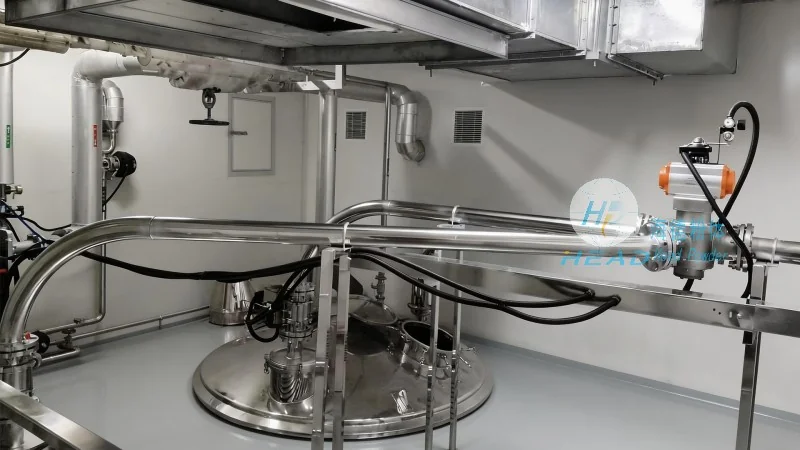
There are two primary types of pneumatic conveying systems: pressure and vacuum. Pressure systems use compressed air to push the material through the pipeline, while vacuum systems use a vacuum to pull the material. For rice, both methods are commonly employed, with the choice depending on factors like the distance to be covered, the volume of material, and the specific characteristics of the rice (e.g., moisture content, particle size). The system’s design, including the type of air mover, pipeline layout, and material handling components, is critical to ensuring optimal performance and minimizing material degradation.
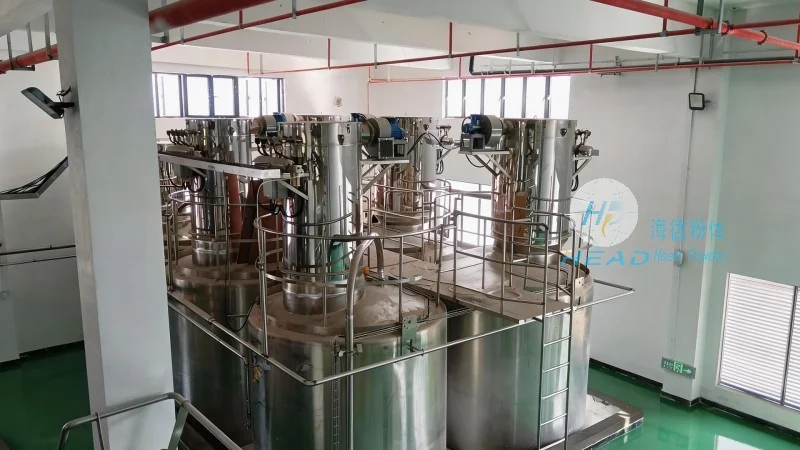
Key Components of a Rice Pneumatic Conveying System
A rice pneumatic conveying system consists of several key components that work in harmony to achieve efficient material transport. These components include:
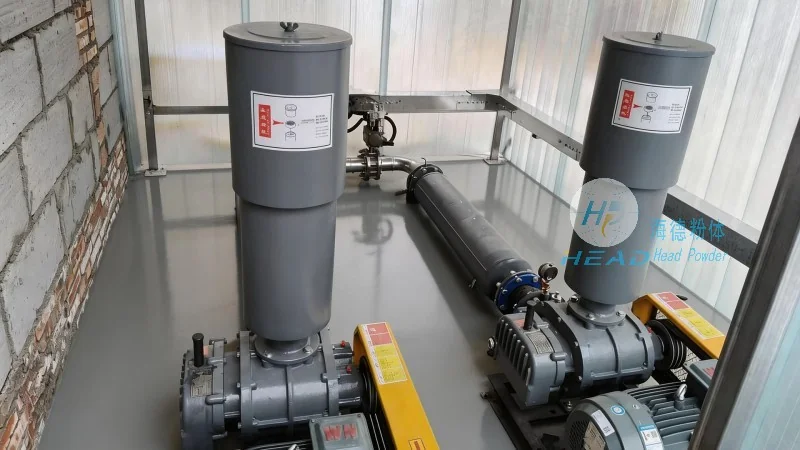
- Air Mover (Blower/Fan): This is the heart of the system, responsible for generating the air flow that propels the rice particles. The choice of air mover depends on the system’s pressure requirements and the volume of material to be conveyed.
- Hopper/Feeder: The hopper holds the rice and feeds it into the conveying line at a controlled rate. Proper design of the hopper ensures consistent material flow and prevents blockages.
- Pipeline: The pipeline is where the rice travels through the system. It is typically made of durable materials like stainless steel or plastic to withstand the abrasive nature of rice particles and the effects of air pressure.
- Control Valves: These valves regulate the air flow and material discharge, allowing for precise control over the conveying process. They help maintain system pressure and prevent backflow.
- Filter and Cyclone Separator: As the rice exits the conveying line, it passes through a filter or cyclone separator. This component separates the rice from the air, allowing the air to be recycled back into the system and the rice to be collected in a storage bin or processing unit.
Benefits of Using Rice Pneumatic Conveying Systems
Implementing a pneumatic conveying system for rice handling offers numerous advantages over traditional methods like belt conveyors or bucket elevators. Some of the key benefits include:
- Efficiency and Speed: Pneumatic systems can transport rice quickly over long distances with minimal labor, significantly increasing processing throughput.
- Reduced Labor Costs: Automated systems require less manual labor for material handling, reducing operational costs and the risk of human error.
- Improved Product Quality: The enclosed system prevents contamination from dust, moisture, or other external factors, maintaining the quality and integrity of the rice.
- Space Efficiency: Unlike traditional conveyors that require extensive floor space, pneumatic systems can be installed vertically or horizontally, making them ideal for facilities with limited space.
- Flexibility: Pneumatic conveying systems can be easily reconfigured or expanded to accommodate changes in production volume or processing requirements.
Applications in Rice Processing
Rice pneumatic conveying systems are widely used in various stages of rice processing, from raw material handling to final product packaging. Some common applications include:




