Caustic soda, also known as sodium hydroxide (NaOH), is a widely used chemical in various industrial applications, including manufacturing, cleaning, and chemical processing. The efficient and safe transportation of caustic soda powder is crucial for industrial operations, and pneumatic conveying systems have emerged as a reliable solution. This article provides an overview of caustic soda pneumatic conveying, explaining the fundamental principles behind this powder handling technology.
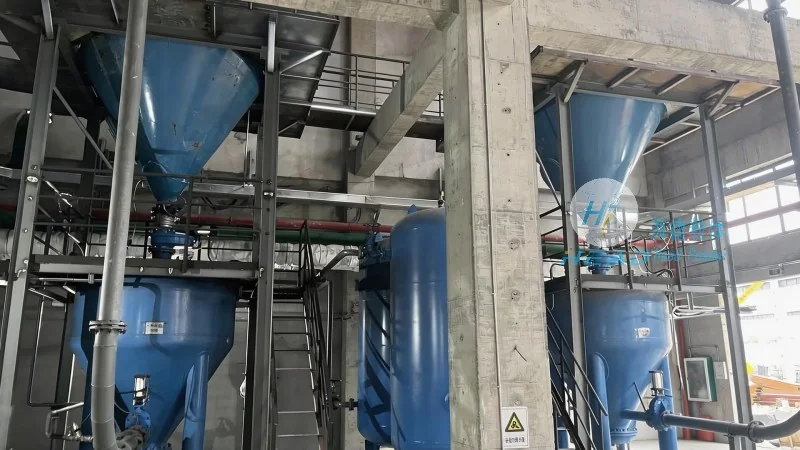
About HeadPowder: A Leader in Powder Handling Solutions
HeadPowder, a leading provider of specialized engineering solutions for powder handling and material transport systems, has established itself as a trusted partner in the industry. With years of experience in the field, HeadPowder has developed advanced pneumatic conveying technologies tailored to meet the specific needs of clients handling caustic soda and other bulk powders. The company's commitment to innovation and quality has enabled it to deliver customized systems that enhance operational efficiency and safety.
The Working Principle of Pneumatic Conveying Systems
Pneumatic conveying systems utilize air or other gases to transport bulk materials like caustic soda powder through a pipeline network. The process typically involves either positive pressure (pressure pneumatic conveying) or negative pressure (vacuum pneumatic conveying) to move the material from the source to the destination. In pressure systems, a blower or compressor generates high-pressure air that propels the powder particles through the pipeline. The powder is often mixed with the air stream, creating a slurry-like mixture that flows efficiently. In vacuum systems, a vacuum pump creates a low-pressure environment that draws the powder into the pipeline, where it is then transported to the desired location.
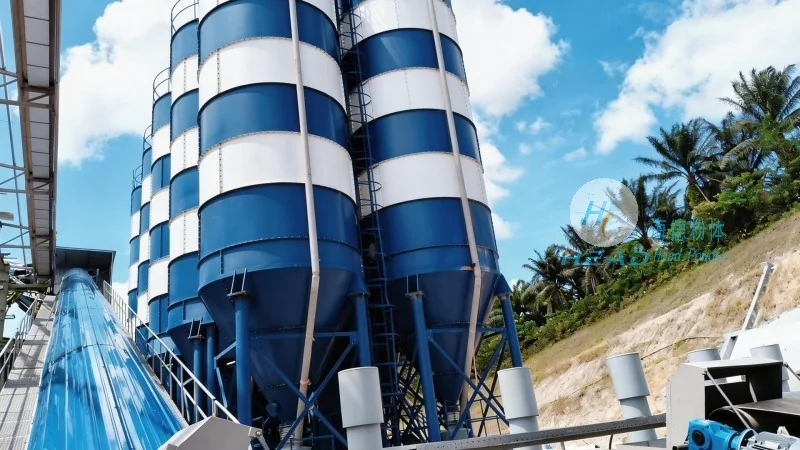
Key Components of a Caustic Soda Pneumatic Conveying System
Key components of a caustic soda pneumatic conveying system include the material feed hopper, conveyor pipeline, air compressor or vacuum pump, and control valves. The feed hopper ensures a consistent flow of caustic soda into the system, while the pipeline transports the material to the processing or storage area. The air compressor or vacuum pump provides the necessary pressure or vacuum to move the powder. Control valves regulate the flow rate and pressure, ensuring smooth operation and preventing blockages or overloading.
Advantages of Pneumatic Conveying for Caustic Soda Handling
Safety is a critical aspect of handling caustic soda, and pneumatic conveying systems offer several advantages over traditional methods like bucket elevators or belt conveyors. These systems minimize direct human contact with the chemical, reducing the risk of exposure and accidents. Additionally, pneumatic conveying can handle caustic soda in its dry or slurry form, adapting to different processing requirements. Industries such as chemical manufacturing, paper production, and water treatment commonly utilize caustic soda pneumatic conveying systems to enhance operational efficiency and safety.
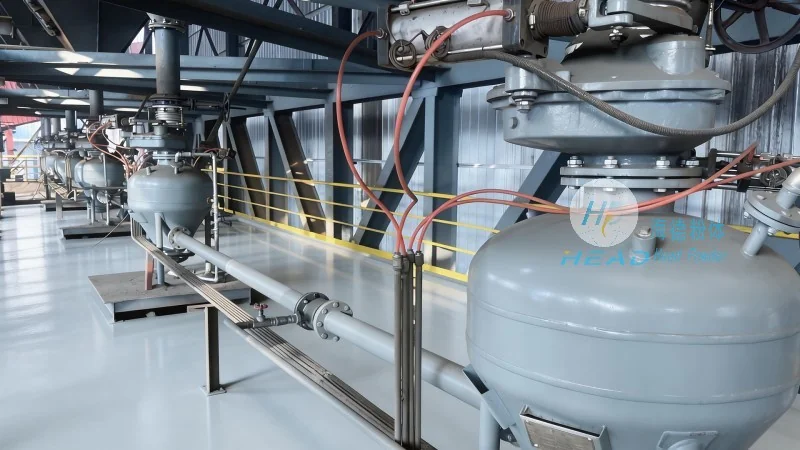
Shandong HeadPowder Engineering Co., Ltd.: Customized Solutions for Bulk Material Transport
Shandong HeadPowder Engineering Co., Ltd., based in Shandong, China, specializes in designing, manufacturing, and installing customized pneumatic conveying systems for caustic soda and other bulk materials. The company leverages advanced engineering and material science to develop solutions that meet stringent safety and performance standards. HeadPowder's team of experts works closely with clients to understand their specific requirements, from material characteristics to operational constraints, ensuring the delivery of tailored systems that optimize performance and reduce downtime.
Conclusion: Enhancing Efficiency and Safety in Caustic Soda Handling
Caustic soda pneumatic conveying is a sophisticated technology that plays a vital role in modern industrial processes. By understanding the working principles and benefits of these systems, industries can enhance their material handling capabilities while maintaining safety and efficiency. As a trusted partner in the field, Shandong HeadPowder Engineering Co., Ltd. continues to innovate and provide reliable solutions for the transportation of caustic soda and other bulk powders.




