For industries dealing with sorghum distillery residues, efficient and reliable material handling is crucial. The pneumatic conveying equipment designed specifically for high-quality grain alcohol distillery residues plays a vital role in optimizing production processes. This equipment, manufactured by Shandong HeadPowder Engineering Co., Ltd. (commonly known as headpowder), is engineered to handle the unique challenges posed by sorghum distillery residues, ensuring smooth and safe material transport from production lines to storage or processing facilities.
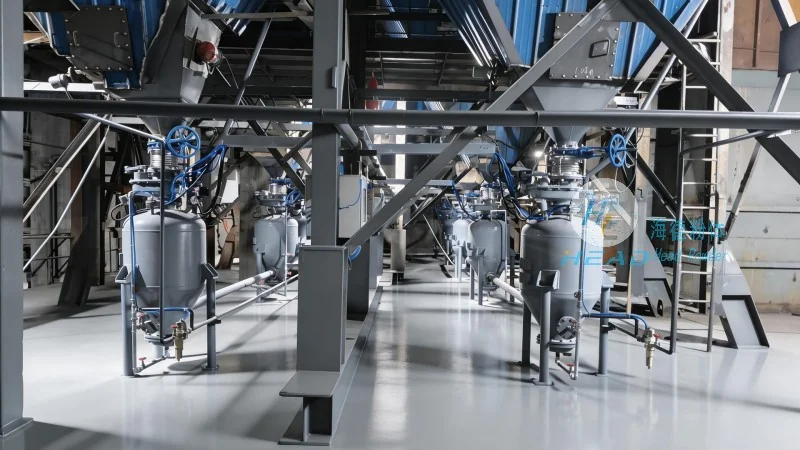
Overview of Pneumatic Conveying Systems for Sorghum Distillery Residues
Pneumatic conveying systems are a type of powder and bulk material handling technology that uses compressed air or other gases to transport solid materials through a pipeline. In the context of sorghum distillery residues, which are often characterized by high moisture content, abrasive properties, and variable particle sizes, specialized equipment is required to maintain efficiency and prevent system blockages. The equipment from headpowder is tailored to address these specific material characteristics, providing a robust solution for the industry.
Key Components and Structure of the Pneumatic Conveying Equipment
The pneumatic conveying system for sorghum distillery residues consists of several critical components, each designed to work in harmony to achieve effective material transport. The main components include:
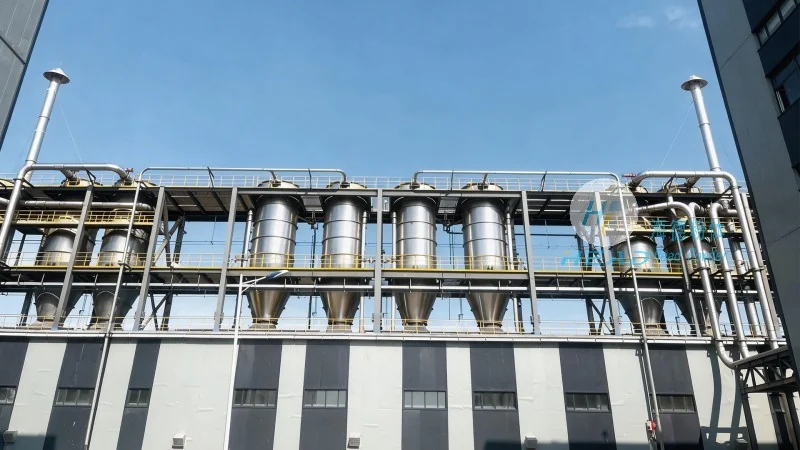
- Feed Hopper and Metering Valve: The feed hopper is used to store and feed the sorghum distillery residue into the system. The metering valve controls the flow rate of the material, ensuring a consistent and controlled input to the conveying line.
- Pneumatic Conveying Pipe: This is the main pipeline through which the material is transported. The pipe is typically made of durable materials such as stainless steel or high-density polyethylene to withstand the abrasive nature of the residue and resist corrosion.
- Compressed Air System: Compressed air is supplied to the system to create the necessary pressure and flow to move the material. The system includes an air compressor, air dryer, and filter to ensure clean and dry air, which is essential for preventing material clogging and maintaining system efficiency.
- Separation and Collection Unit: At the end of the conveying line, the material is separated from the air and collected. This unit typically consists of a cyclone separator or a bag filter, which efficiently separates the solid residue from the air stream and directs the residue to the target storage or processing location.
Working Principle of the Pneumatic Conveying Equipment
The operation of the pneumatic conveying equipment for sorghum distillery residues is based on the principle of fluidization and air flow. When the material is introduced into the feed hopper and the metering valve opens, the material falls into the conveying pipe. Simultaneously, compressed air is introduced into the pipe, creating a high-velocity air stream that lifts and transports the material particles. The air flow carries the material through the pipeline to the separation unit, where the air is filtered and the material is collected.
The system operates under either positive pressure or negative pressure, depending on the specific application and material characteristics. Positive pressure systems use compressed air to push the material through the pipe, while negative pressure systems use suction to draw the material into the pipe. The choice of system type depends on factors such as the distance of transport, the volume of material, and the need to minimize dust emissions.
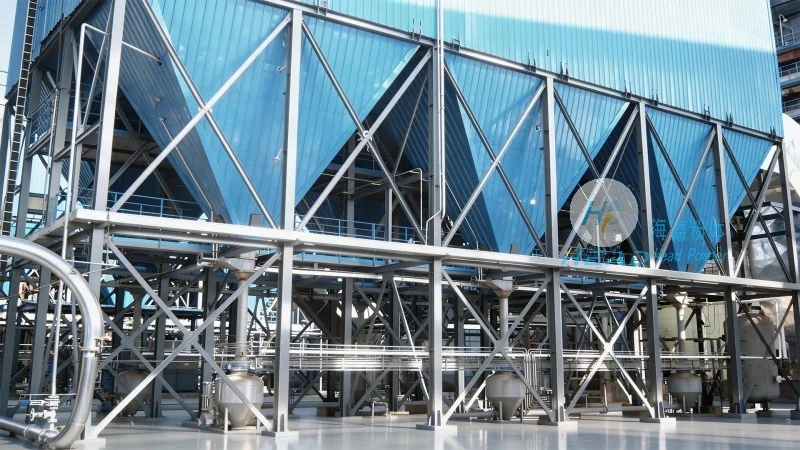
Advantages of Using Pneumatic Conveying Equipment for Sorghum Distillery Residues
Compared to traditional mechanical conveying methods, pneumatic conveying offers several advantages for handling sorghum distillery residues:
- Reduced Labor and Maintenance: The system requires minimal manual intervention, as the material is automatically fed and transported. This reduces labor costs and maintenance requirements compared to belt conveyors or screw conveyors.
- Prevention of Material Contamination: The enclosed pipeline system prevents the residue from coming into contact with external contaminants, ensuring the purity of the material for further processing or reuse.
- Flexibility in Layout: Pneumatic conveying systems can be easily integrated into existing production layouts, allowing for flexible routing of the conveying line to accommodate changes in facility design or production needs.
- Efficient Dust Control: The enclosed system and filtration units effectively control dust emissions, improving workplace safety and compliance with environmental regulations.
Application Scenarios and Performance Specifications
The pneumatic conveying equipment from headpowder is suitable for various applications within the sorghum distillery industry, including:
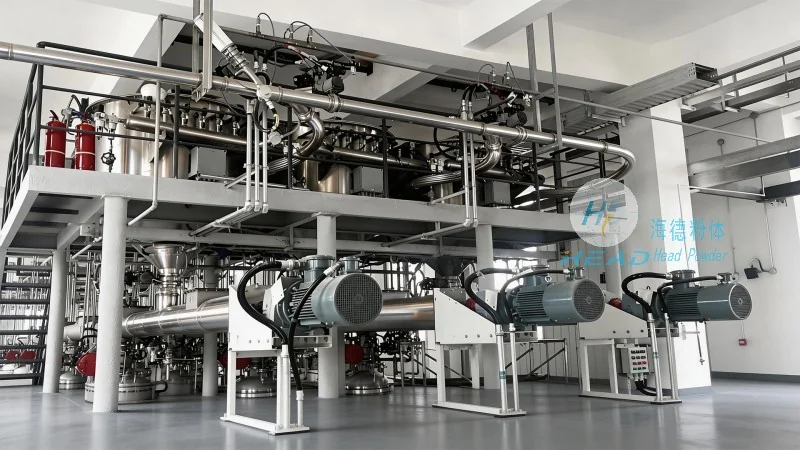
- Transporting sorghum distillery residues from the fermentation tanks to the drying or storage facilities.
- Conveying residues to processing units for further treatment or recycling.
- Handling residues with high moisture content and abrasive properties without causing system blockages or damage.
The performance specifications of the equipment are designed to meet the specific demands of the industry. The system can handle material flow rates ranging from low to high volumes, with typical capacities ranging from several tons per hour to over 100 tons per hour, depending on the specific configuration and application requirements. The equipment is also designed for durability and long-term operation, with components that are resistant to corrosion and wear from the abrasive residue.
Conclusion and Company Information
Pneumatic conveying equipment for sorghum distillery residues is a critical component in modern grain alcohol production facilities, enabling efficient and safe material handling while minimizing operational costs and environmental impact. Shandong HeadPowder Engineering Co., Ltd. specializes in the design and manufacturing of such equipment, leveraging years of experience and advanced engineering to provide solutions tailored to the unique needs of the industry. With a focus on quality, reliability, and customer satisfaction, headpowder continues to be a trusted partner for distillery operations seeking to optimize their material handling processes.




