PTFE (Polytetrafluoroethylene) pneumatic conveying equipment is a specialized system designed to transport bulk materials through the use of air or gas as the conveying medium. This technology is widely used in various industries due to its ability to handle a wide range of materials, including those that are abrasive, corrosive, or sensitive to moisture. The core principle of PTFE pneumatic conveying involves creating a flow of air or gas that moves particles from a source to a destination, often through a network of pipes and valves.
Key Components and Their Functions
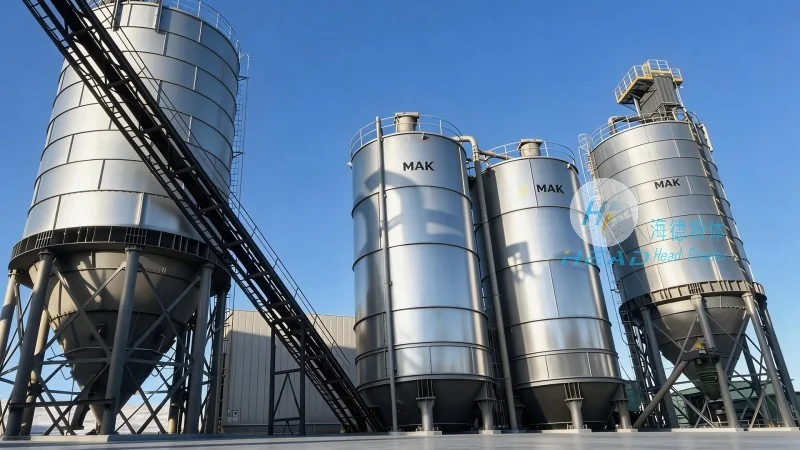
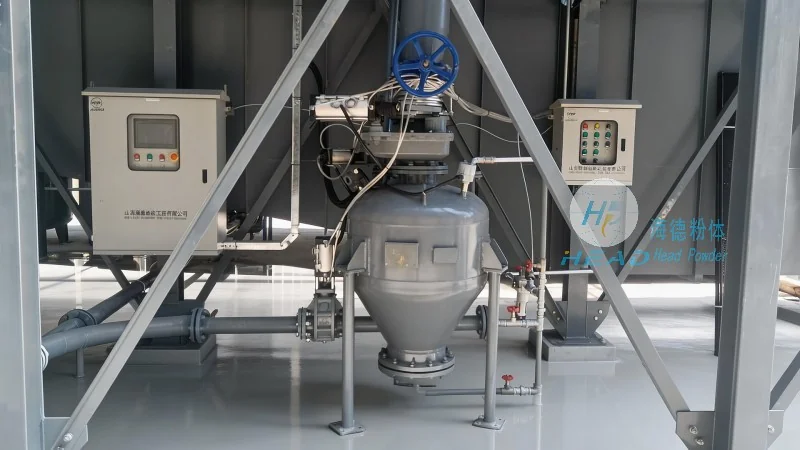
The PTFE pneumatic conveying system typically consists of several key components, each playing a crucial role in the overall operation. The primary components include the material feed hopper, the air or gas supply system, the conveying line (often lined with PTFE to prevent material adhesion), and the discharge unit. The material feed hopper is responsible for storing and feeding the bulk material into the system. It may include a feeder mechanism, such as a rotary valve or a screw feeder, to control the flow rate of the material. The air or gas supply system provides the necessary pressure and flow rate to create the conveying stream. This system may include a blower, compressor, or vacuum pump, depending on the specific application and the required conveying velocity. The conveying line is the main pathway for the material and air mixture. PTFE lining is commonly used in the pipes and fittings to prevent the material from sticking to the surface, which is essential for maintaining the efficiency and longevity of the system. The discharge unit is where the material is released from the conveying line, often into a storage bin or processing equipment.
Working Principle of PTFE Pneumatic Conveying
The operation of a PTFE pneumatic conveying system is based on the principle of fluidization and suspension of the bulk material particles. When air or gas is introduced into the conveying line at a sufficient velocity, it creates a turbulent flow that lifts and transports the particles. The velocity of the air stream must be high enough to overcome the gravitational force acting on the particles and to maintain them in a suspended state. The PTFE material, known for its non-stick and low friction properties, ensures that the particles do not adhere to the inner walls of the pipes, which would otherwise cause blockages and reduce the conveying efficiency. The system can operate in either pressure or vacuum mode. In pressure conveying, the air is supplied under pressure from a blower or compressor, pushing the material through the system. In vacuum conveying, a vacuum pump creates a negative pressure that draws the material from the source into the system. The choice between pressure and vacuum depends on factors such as the distance to be conveyed, the material's properties, and the desired flow rate.
Advantages of PTFE Lined Pneumatic Conveying Equipment
Using PTFE as the lining material in pneumatic conveying equipment offers several advantages. First, PTFE's chemical inertness makes it suitable for handling a wide range of materials, including those that are corrosive or reactive. This is particularly important in industries such as pharmaceuticals, food processing, and chemical manufacturing, where material contamination must be minimized. Second, PTFE's low coefficient of friction reduces the energy required to move the material through the system, leading to lower operating costs and increased efficiency. Third, the non-stick properties of PTFE prevent material buildup on the pipe walls, which simplifies cleaning and maintenance. This is especially beneficial for materials that are difficult to clean, such as powders with high moisture content or sticky substances. Fourth, PTFE's high temperature resistance allows the system to operate in a wide range of temperatures, from cryogenic to high-temperature environments. This makes it suitable for applications involving materials that are sensitive to temperature changes.
Applications of PTFE Pneumatic Conveying Systems
PTFE pneumatic conveying equipment is used in a variety of industries and applications. In the chemical industry, it is used to transport chemicals, powders, and granules. The PTFE lining protects the equipment from corrosion and ensures that the chemicals do not react with the metal surfaces. In the pharmaceutical industry, PTFE conveying systems are used to handle active pharmaceutical ingredients (APIs) and other sensitive materials. The system's ability to maintain a sterile environment and prevent contamination is critical in this industry. In the food and beverage industry, PTFE conveying equipment is used to transport food powders, such as flour, sugar, and spices. The non-stick and non-toxic properties of PTFE ensure that the food products remain safe and free from contamination. In the mining and mineral processing industry, PTFE conveying systems are used to transport minerals and ores. The system's ability to handle abrasive materials without causing wear and tear on the equipment is a key advantage. In the plastics industry, PTFE conveying equipment is used to transport plastic powders and granules. The system's efficiency and low maintenance requirements make it a popular choice for plastic manufacturers.
Installation and Maintenance Considerations
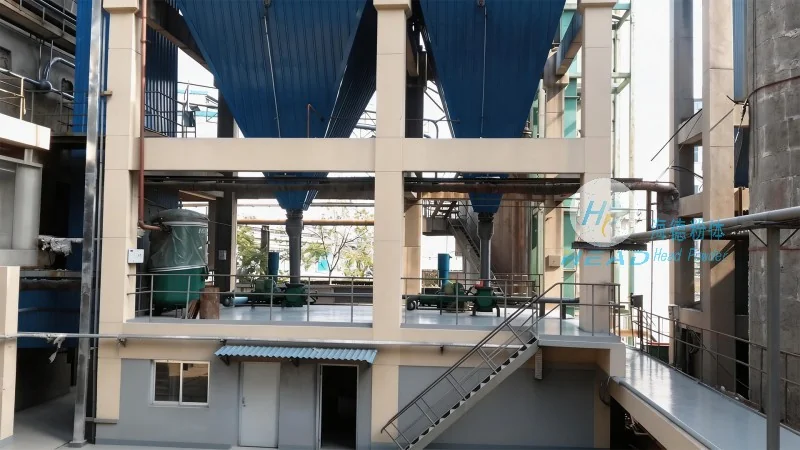
Proper installation and maintenance are essential for the efficient and long-term operation of PTFE pneumatic conveying equipment. During installation, it is important to ensure that all components are properly aligned and that the PTFE lining is securely attached to the pipes and fittings. Any gaps or imperfections in the lining can lead to material adhesion and blockages. Regular maintenance is also crucial. This includes inspecting the PTFE lining for signs of wear and tear, cleaning the system to remove any accumulated material, and checking the air or gas supply system for proper operation. The frequency of maintenance depends on the type of material being conveyed and the operating conditions of the system. For example, systems handling abrasive materials may require more frequent maintenance than those handling non-abrasive materials.
Conclusion
PTFE pneumatic conveying equipment is a reliable and efficient method for transporting bulk materials. The use of PTFE as the lining material provides several advantages, including chemical resistance, low friction, and non-stick properties. These advantages make the system suitable for a wide range of applications in various industries. Proper installation and maintenance are essential to ensure the system operates at its best. As technology continues to advance, PTFE pneumatic conveying systems are likely to become even more efficient and effective, further expanding their use in the industrial sector.




